
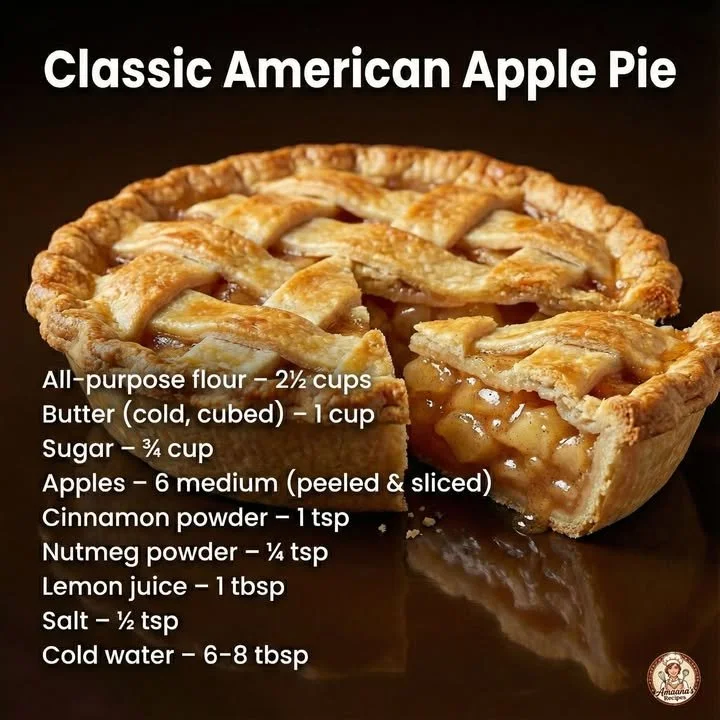
Next, I roll out half of my pie crust on a floured surface to fit my pie pan. I feel like an artist as I gently drape the crust into the pan, keeping it nice and even. Once I’ve filled the crust with my apple mixture, I dot it with butter pieces to add a richness to the filling. Then, I roll out the second half of the crust, cover the pie, and seal the edges with a fork. I always remember to cut a few slits in the top crust for steam to escape, which creates those beautiful, golden-brown peaks as it bakes.
As I brush the top crust with milk, I can’t help but get excited knowing it’s almost time for baking. I place my pie in the preheated oven and bake it for about 15 minutes. After that, I reduce the temperature to 350°F (175°C) and continue baking for an additional 30 to 40 minutes. The goal is to achieve a golden-brown crust and bubbly filling. And oh, the aroma wafting through my kitchen during this time is irresistible! My heart swells with anticipation.
Once the timer goes off, I carefully take the pie out and let it cool on a wire rack. I know the cooling process feels like the longest step, but this wait ensures that the filling sets perfectly, making it easier to slice. Trust me; the extra patience is worth it when that first slice comes out beautifully!
Pro Tips for Best Results
When it comes to creating the perfect apple pie, I’ve tested a few different types of apples and found that mixing tart and sweet varieties truly elevates the flavor profile. Granny Smith apples provide that delightful tartness, while Honeycrisp apples add a natural sweetness that balances everything out. I often buy a few extra just to snack on while I’m preparing—because who can resist?
Another tip I swear by is letting the apple filling sit for at least 10 minutes after mixing. This little step allows the juices to combine with the sugar and spices, creating a more cohesive filling that enhances the overall flavor. The rich syrupy goodness is just divine when it spills out from the slices!
Lastly, I find that a sprinkle of coarse sugar on top of the crust before baking adds that lovely crunch and shimmer that makes the pie inviting. Who doesn’t love a little extra visual appeal, right?
Common Mistakes to Avoid
One mistake I’ve made in the past is not properly preparing my pie crust. If the dough is too warm when you roll it out, it can become sticky and unmanageable. To prevent this, I recommend chilling the crust in the refrigerator for at least 30 minutes before rolling it out. This helps achieve that flaky texture we all crave. (See the next page below to continue…)