Building the Cheesecake Layer by Layer
Step 1: Step 1: Preheat your oven to 350°F (175°C) and lightly grease a 9‑inch springform pan; the grease helps the cake release cleanly after baking.
Step 2: Step 2: Pour the Greek yogurt into the mixing bowl, spreading it evenly across the bottom.
Step 3: Step 3: Crack the three eggs on top of the yogurt, spacing them so they don’t clump together.
Step 4: Step 4: Measure 50 ml of orange juice and drizzle it over the yogurt and eggs, allowing the liquid to seep into the mixture.
Step 5: Step 5: Sprinkle one tablespoon of orange zest over the surface; the zest will infuse the batter with citrus oil as it bakes.
Step 6: Step 6: Whisk everything together until the mixture is completely smooth, with no visible streaks of yogurt or egg white.
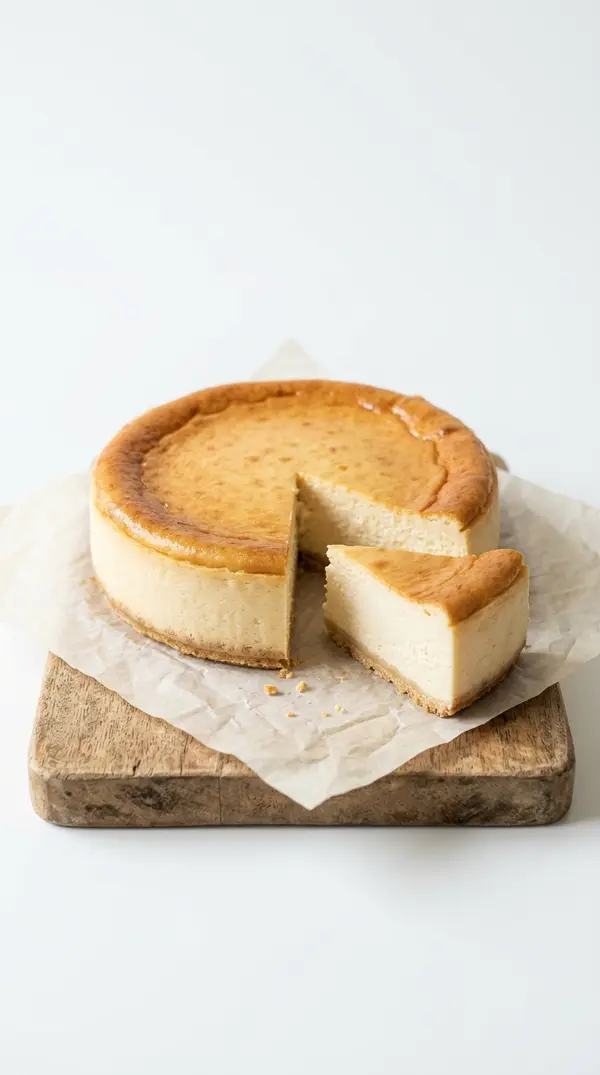
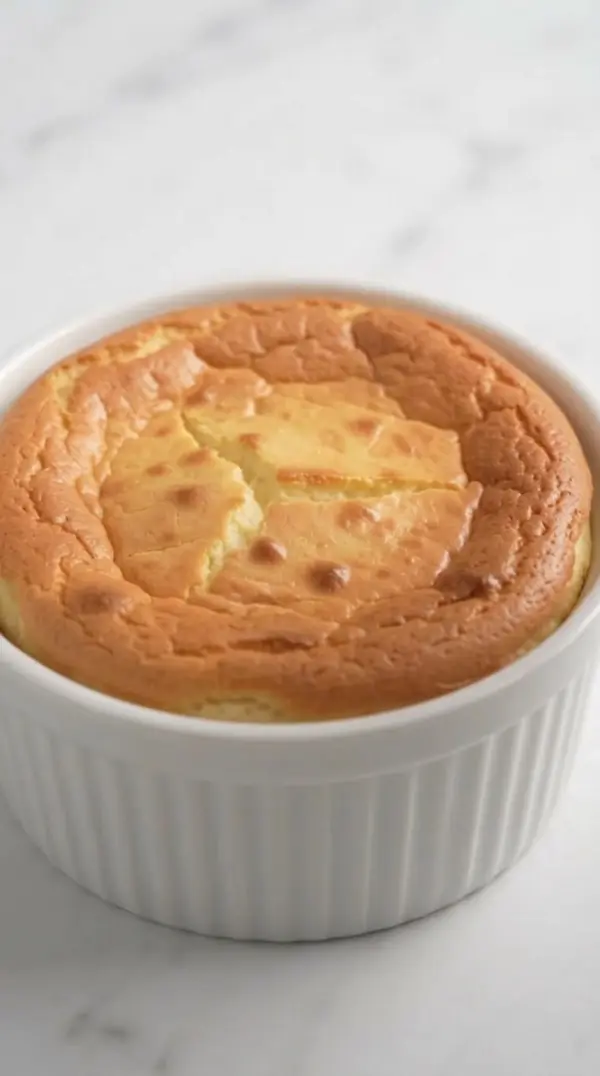
Step 7: Step 7: Place the pan in the preheated oven and bake for about 20 minutes, or until the top turns a light golden‑brown and the edges are set while the center still has a slight wobble.
Step 8: Step 8: Remove the cheesecake from the oven and let it cool in the pan for 10 minutes; this helps the center finish setting without cracking.
Step 9: Step 9: Run a thin knife around the edge of the pan, then release the springform and transfer the cake to a serving plate.
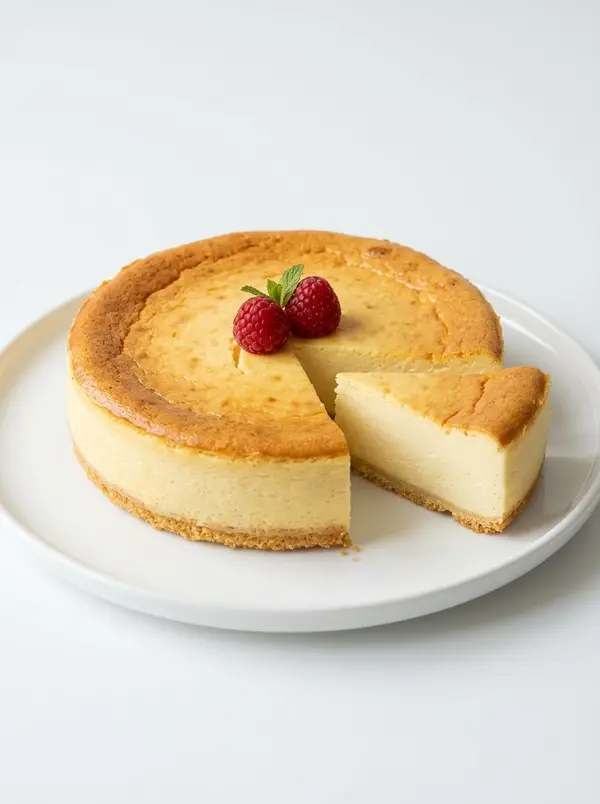
Step 10: Step 10: Slice a wedge and serve while slightly warm or chilled, depending on your preference.
Fixing Cracks and Watery Fillings
Over‑whisking can incorporate too much air, leading to cracks as the cake cools; whisk just until smooth to avoid this. Baking at a temperature higher than 350°F (175°C) causes the top to brown too quickly while the center stays liquid; use an oven thermometer to verify the heat. Opening the oven door before the 20‑minute mark releases steam and can cause the cake to sink; keep the door closed until the timer signals.
Using low‑fat yogurt results in a drier texture that may crumble; always opt for full‑fat Greek yogurt. Adding too much orange juice makes the batter runny and prevents proper setting; stick to the measured 50 ml. Lastly, letting the cake sit too long before slicing can cause it to dry out; serve within a few hours for the best mouthfeel.
Swaps That Still Work
If you prefer a different citrus, substitute the orange juice and zest with an equal amount of lemon juice and zest for a sharper tang, similar to our Lemon Yogurt Cheesecake. For a milder flavor, replace half the orange juice with plain water; the texture remains creamy while the citrus note softens. Adding a tablespoon of honey to the batter can sweeten the cake without altering the set, though it will change the flavor profile slightly. Finally, you can bake the cheesecake in a water bath to create an ultra‑smooth top, but this adds an extra step and a larger pan.
Storing the Cheesecake for Best Freshness
Once the cheesecake has cooled to room temperature, cover it loosely with plastic wrap and refrigerate. It will stay creamy and firm for up to three days. For longer storage, slice the cake, wrap individual pieces in parchment, and freeze; they thaw nicely in the refrigerator overnight. Reheating isn’t necessary, but a quick 5‑minute stint at 300°F (150°C) can warm the slice for a comforting, slightly melty texture. This dessert also travels well for potlucks because the firm edges hold up to transport.
Ways to Plate and Pair This Citrus Dessert
Serve each slice with a dollop of lightly sweetened whipped cream or a drizzle of honey for added richness. A few fresh orange segments on the side echo the citrus theme and add a burst of juiciness. Pair the cheesecake with a cup of black tea or a lightly brewed coffee; the bitterness balances the sweet‑tart flavor. If you want a decorative touch, sprinkle a pinch of extra orange zest over the top just before serving. The cake’s creamy interior and golden crust make it a crowd‑pleaser for brunch or a light dessert after dinner.
Citrus Yogurt Cheesecake Questions
How do I know when the cheesecake is fully set?
Look for a golden‑brown edge and a center that jiggles slightly when you gently shake the pan; it should spring back within a second. If the middle is still liquid, add two more minutes to the bake time.
Can I use a different type of pan?
A 9‑inch springform pan works best because it releases the cake cleanly, but a regular 9‑inch cake pan will also work if you line it with parchment paper and grease the sides thoroughly.
Is it possible to make this recipe vegan?
Replace the Greek yogurt with a plain soy‑based yogurt and the eggs with a blend of 3 tablespoons of aquafaba; the texture will be slightly lighter but still set after baking.
What if I don’t have orange zest on hand?
Use a teaspoon of orange extract instead; add it after whisking to preserve the flavor, but reduce the orange juice by a tablespoon to keep the moisture balance.
How far in advance can I bake this cheesecake?
You can bake it up to 24 hours ahead, then keep it covered in the refrigerator. Bring it to room temperature for about 20 minutes before slicing for optimal texture.