
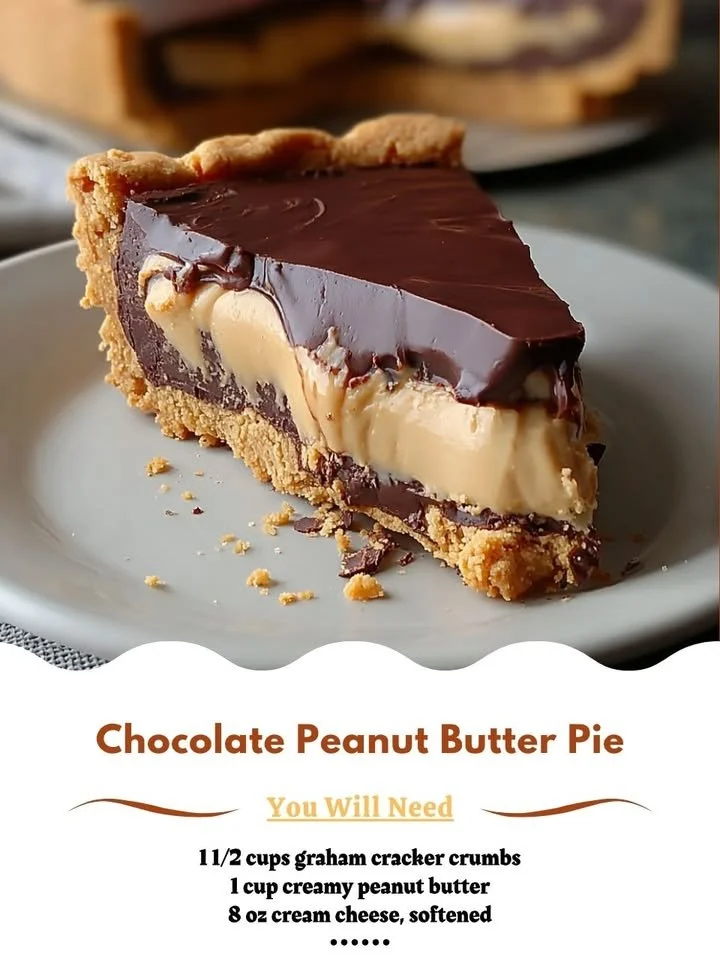
Next, while the crust is cooling, I combine the creamy peanut butter and powdered sugar in a mixing bowl. I use my electric mixer to beat these two together until it’s smooth and creamy. The aroma of the peanut butter filling is so inviting; it makes it hard not to sneak a taste! Then, in another bowl, I whip the heavy cream and vanilla extract until the mixture forms soft peaks. I gently fold one-third of the whipped cream into the peanut butter mixture to lighten it, then fold in the rest slowly, ensuring I keep that lovely airy texture.
Once that’s done, I pour the fluffy peanut butter filling into the cooled crust and spread it out evenly. Then, I place the pie in the refrigerator to chill for at least four hours—this is where the magic really happens! I recommend letting it set overnight if you can, as it gives the flavors time to meld together beautifully.
The final step is melting the semi-sweet chocolate chips for a drizzle on top. You can do this over a double boiler or in the microwave; just make sure to do it in 30-second intervals, stirring in between. Once the chocolate is melted and smooth, I drizzle it over the chilled pie like a little piece of artisan magic. This extra touch not only looks incredible but adds a rich finish to each bite.
Pro Tips for Best Results
I’ve tested this pie three ways regarding the crust, and I truly prefer the chocolate cookie crumbs for their rich flavor. However, if you’re looking for a gluten-free option, you could replace them with crushed gluten-free cookies. It’s surprisingly just as delicious!
Another tip I picked up along the way is to use room temperature peanut butter for a smoother filling. If it’s too cold, it can be a bit challenging to blend it nicely with the powdered sugar, leading to lumps that just won’t cooperate.
Lastly, if you love a bit of texture, feel free to add in some chopped peanuts or even mini chocolate chips into the filling. It gives an extra crunch that makes each bite even more delightful!
Common Mistakes to Avoid
One common mistake I’ve made in the past is not allowing the crust to cool completely before adding the filling. If the crust is warm, it can cause the filling to melt slightly, leading to a more soupy pie—definitely not what we want! (See the next page below to continue…)