
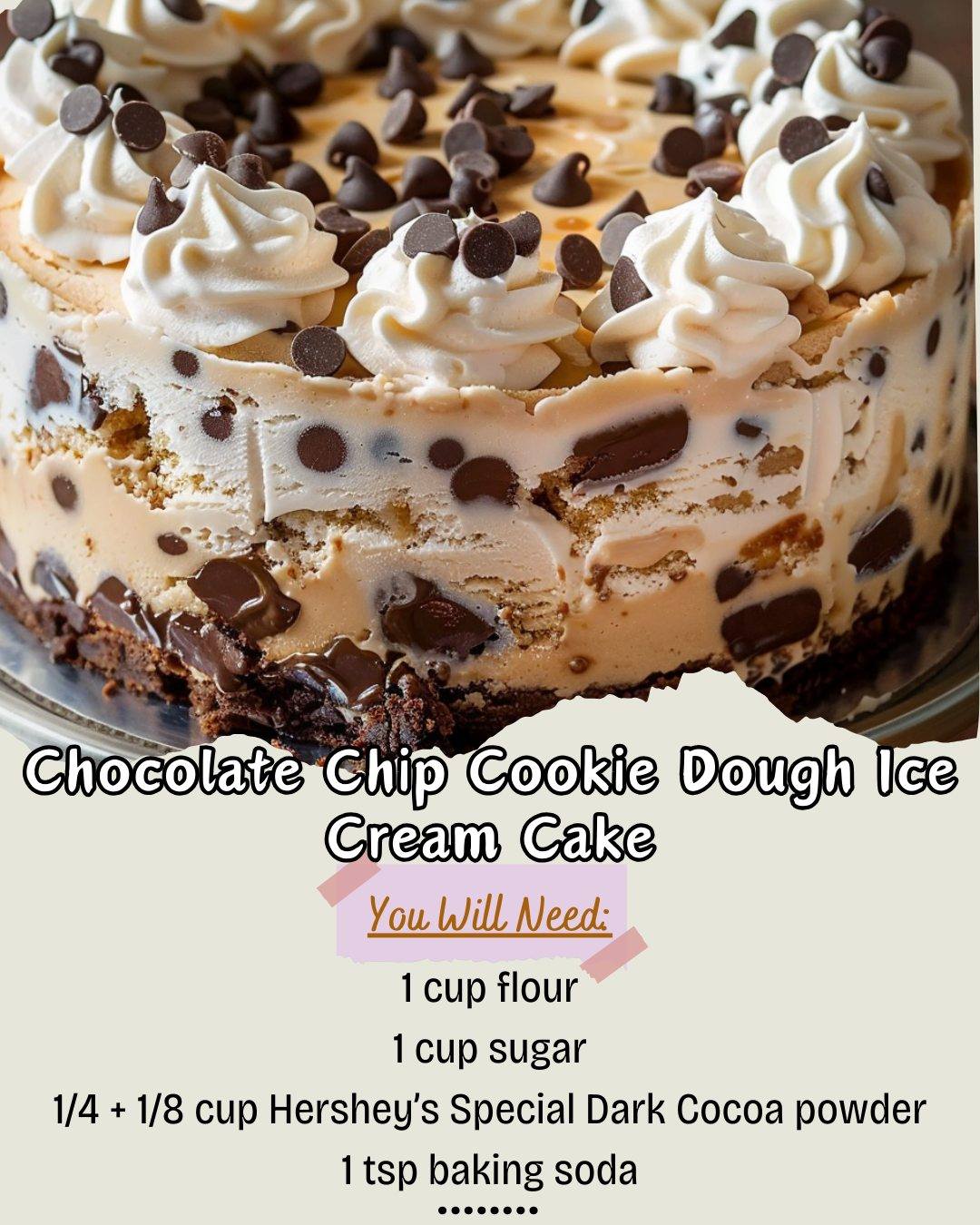
Next, I take the chilled cookie dough and break it into small, bite-sized chunks and pebbles with my hands. I scatter about two-thirds of these chunks evenly over the ice cream layer. Then, I gently place the second cake layer on top, pressing down lightly. I spread the remaining softened ice cream over this top cake layer, smoothing the top. Finally, I press the remaining cookie dough chunks into the surface of the top ice cream layer. I cover the entire pan tightly with plastic wrap and place it in the freezer to set for at least 8 hours, but preferably overnight. This long freeze is critical for clean slices.
Pro Tips for Best Results
I tested the ice cream texture three different ways: rock-hard straight from the freezer, completely melted and refrozen, and slightly softened. Slightly softened is the goldilocks zone. If it’s too hard, you can’t spread it and you’ll tear the cake. If it melts completely and refreezes, it becomes unpleasantly icy. Let it sit out until it’s the consistency of very thick frosting—you should be able to scoop and spread it with some resistance, but it shouldn’t be soupy. This took me a few tries to get right.
Here’s what I learned the hard way about the freeze time: patience is non-negotiable. I once tried to serve this after only 4 hours of freezing because I was excited. When I sliced it, the ice cream layers were still soft, the cake layers squished, and it was a delicious but messy puddle on the plate. The full 8-hour, or better yet, overnight freeze solidifies everything so you get those stunning, clean layers in every slice. It also allows the flavors to meld beautifully.
For the cleanest slices, use a sharp, thin-bladed knife (a chef’s knife works better than a cake server) and run it under very hot water before each cut. Wipe it dry and slice confidently in one smooth motion. The heat helps glide through the frozen ice cream without causing cracks or crumbling the cake. Let the slices sit at room temperature for 5-10 minutes before serving to take the icy edge off the ice cream.
Common Mistakes to Avoid
My biggest first-time mistake was not heat-treating the flour for the cookie dough. I thought, “It’s just a little bit, it’ll be fine.” It’s a food safety risk and it’s not worth it. Toasting the flour in the oven or microwaving it until it reaches 165°F kills any potential bacteria and also gives the flour a subtly nutty, cooked flavor that improves the dough. Don’t skip this crucial step.(See the next page below to continue…)