Equipment Needed
Step-by-Step Instructions
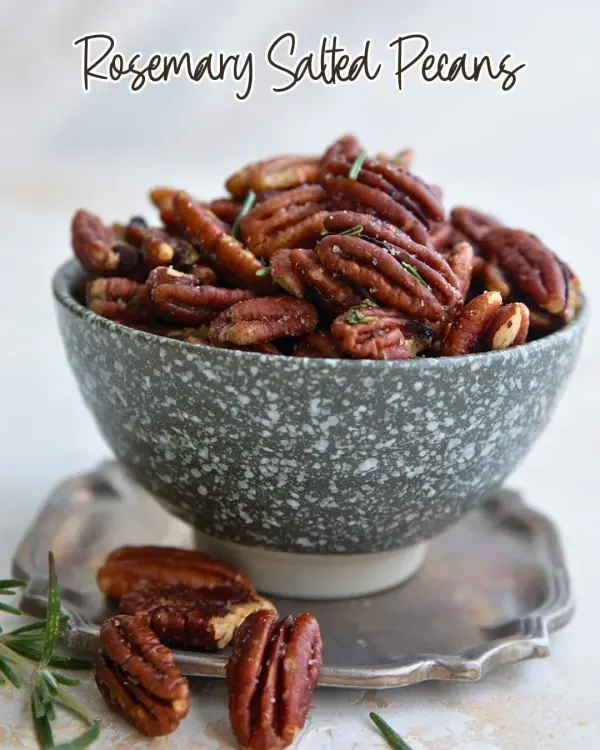
- My first step is always to toast the pecans. I place them in a dry skillet over medium-low heat. I shake the pan often, and in about 5 minutes, I can smell their warm, nutty fragrance. The moment I see a slight golden color, I pour them onto a cutting board to cool. This prevents them from burning in the hot pan. Once they’re cool, I give them a rough chop. Toasting them is the step I used to skip, but I’ve tried it both ways, and trust me, this one works better—it unlocks a deep, rich flavor that raw pecans just don’t have.
- Next, I prepare the dressing. In my medium bowl, I whisk together the mayonnaise, sour cream, lemon juice, Dijon mustard, fresh dill, fresh chives, garlic powder, onion powder, salt, and pepper. I taste it at this point. It should be zippy and well-seasoned, as the flavors will mellow once mixed with the chicken. I let this sit while I prep the other ingredients so the herbs can infuse the creamy base. The smell is fresh and inviting, a promise of the goodness to come.
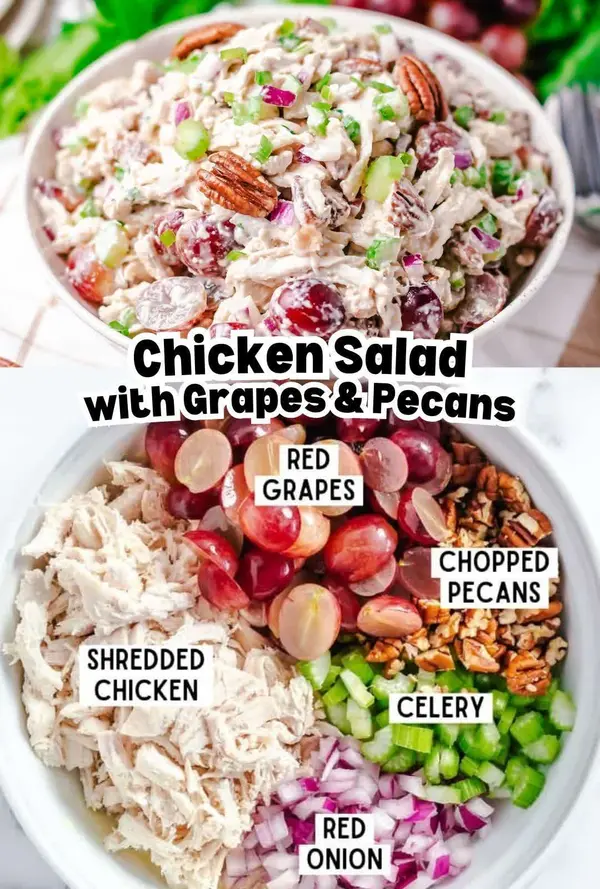
- Now, for the assembly. In my large mixing bowl, I combine the shredded chicken, finely diced celery, halved red grapes, and the cooled, chopped pecans. I use a gentle hand to mix these, as I don’t want to crush the grapes. Then, I pour the dressing over the top. Using a rubber spatula, I fold everything together until every component is lightly and evenly coated with the creamy herb dressing. The colors—the pale chicken, vibrant green celery, deep red grapes, and brown pecans—look absolutely beautiful together.
- Finally, the most important step: the chill. I cover the bowl tightly with plastic wrap and refrigerate the chicken salad for at least one hour, but ideally two to four. This resting time is crucial. It allows the flavors to marry beautifully, the dressing to soak into the chicken, and the whole mixture to become wonderfully cold and refreshing. Skipping this chill means missing out on the salad’s full, harmonious flavor.
Pro Tips for Best Results
Season your chicken generously when you cook it. Bland chicken makes for bland salad. Whether you’re roasting, poaching, or using a store-bought rotisserie chicken, make sure the meat itself is well-seasoned. This builds flavor from the inside out.
Chop your celery very finely. Large, stringy pieces of celery can be overwhelming. A fine dice ensures you get that wonderful fresh crunch and flavor in every bite without it dominating the texture. I aim for pieces about the size of a pea.
Toast and chop your nuts after measuring. Pecans can vary in size, so toasting them whole ensures even browning. Chopping them after they’re cool gives you better control over the size and prevents you from ending up with nut dust or huge, awkward pieces.
Let the salad rest before serving. I know it’s tempting to dig right in, but that hour (or more) in the fridge is when the magic happens. The sharpness of the lemon and mustard mellows, the herbs perfume the whole dish, and the texture becomes perfectly cohesive.
Common Mistakes to Avoid
My first-time mistake was using canned chicken. The texture was mushy and the flavor was, frankly, metallic. It ruined the entire batch. Using freshly cooked, shredded chicken breast (or thigh) makes all the difference in texture and taste. It’s worth the extra step.
Another error is adding the grapes too early or crushing them during mixing. If you mix them in aggressively, they’ll burst and make the salad watery and oddly sweet. Gently fold them in last, just until distributed. Halving them is important too—it ensures a burst of flavor in every bite without a whole grape rolling off your sandwich.
Over-dressing the salad is a common pitfall. You want the ingredients to be coated, not swimming. Start with 3/4 of the dressing, fold it in, and then decide if you need the rest. You can always add more, but you can’t take it out. A soggy chicken salad is a sad thing.
Skipping the fresh herbs and using all dried. While dried dill and chives will work in a pinch, the bright, clean flavor of fresh herbs lifts this salad from good to exceptional. That tablespoon of fresh dill makes a huge difference in the overall freshness of the dish. Don’t skip it if you can help it.
Serving Suggestions
My absolute favorite way to serve this is on a thick slice of artisan bread, like a seeded whole grain or a soft brioche, with a leaf of butter lettuce. The crunch of the lettuce against the creamy salad is perfection. It’s a sandwich that feels fancy but comes together in minutes.
For a lighter, low-carb option, I serve it in butter lettuce or romaine lettuce cups. It makes for a refreshing, crunchy vessel that’s perfect for a summer lunch or an appetizer. I sometimes add a few extra pecans on top for garnish.
For an elegant party presentation, I pipe or spoon the chicken salad into endive leaves or hollowed-out cherry tomatoes. It looks beautiful on a platter and is the perfect bite-sized, fuss-free appetizer for showers or cocktail parties.
Variations & Customizations
For a different nutty flavor, try substituting toasted walnuts or slivered almonds for the pecans. Walnuts add a slightly more bitter, earthy note that pairs wonderfully with the sweet grapes.
You can add diced sweet apple (like Honeycrisp) for another layer of sweetness and crunch, especially in the fall. If you do, a squeeze of lemon juice over the apple pieces before adding them will prevent browning.
For a curry chicken salad variation, add 1-2 teaspoons of your favorite curry powder to the dressing. The warm spices with the sweet grapes and crunchy pecans is an absolutely divine combination. A handful of golden raisins works well here too.
How to Store, Freeze & Reheat
Store leftover chicken salad in an airtight container in the refrigerator. It will keep beautifully for 3-4 days. In fact, I think it tastes even better on the second day as the flavors have more time to meld.
I do not recommend freezing this chicken salad. The mayonnaise-based dressing will separate and become grainy upon thawing, and the celery and grapes will lose all their pleasing texture, becoming watery and mushy.
There is no need to reheat this dish. It is meant to be served cold. Simply take it out of the fridge, give it a gentle stir, and serve. If it seems a little thick after chilling, you can stir in a teaspoon or two of milk or lemon juice to loosen it.
Conclusion
This Chicken Salad with Grapes and Pecans is more than just a recipe; it’s a reminder that a few quality ingredients, treated with care, can create something truly memorable. It’s become my signature dish for so many occasions, loved for its perfect balance of textures and flavors. I hope you bring it into your own kitchen and experience the same simple pleasure—the cool, creamy bite, the sweet burst of grape, and the satisfying crunch. It’s a little bowl of happiness that never fails to delight.