
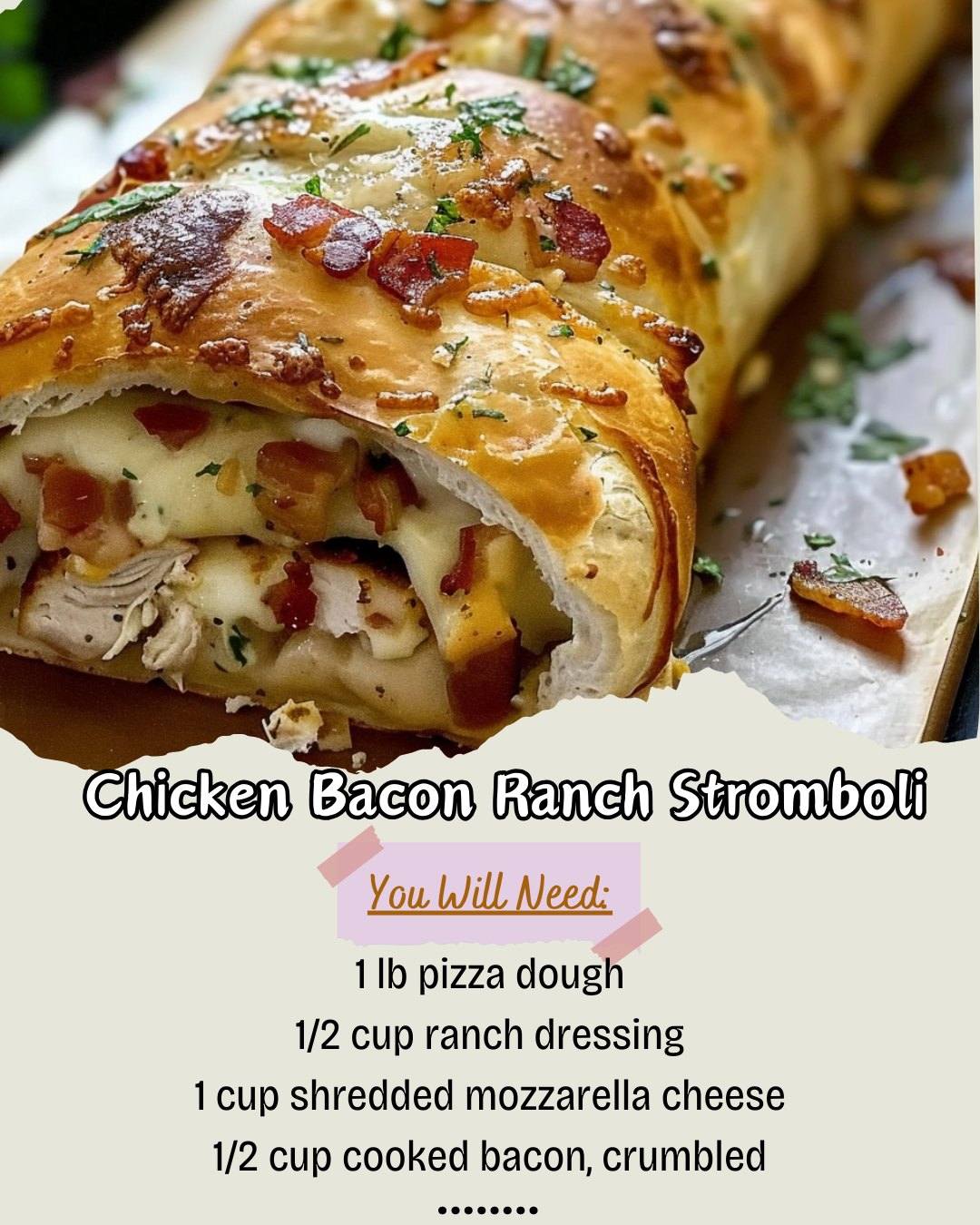
I make an egg wash by beating one egg with a teaspoon of water. Using a pastry brush, I gently brush the entire surface of the stromboli with the egg wash. This gives it that gorgeous, glossy, golden-brown finish. I sprinkle the top with the grated Parmesan and a little dried parsley. I bake it for 25-30 minutes, until the crust is a deep, golden brown and sounds hollow when tapped. The smell is absolutely intoxicating. I let it cool on the baking sheet for at least 10-15 minutes before slicing—this is critical! Slicing too soon lets all the molten cheese and steam escape, leaving you with a deflated, messy log.
Pro Tips for Best Results
I tested the sealing method three different ways: just pinching, using a fork to crimp, and using a dab of water to “glue” the seam. The water method was the clear winner. After rolling, I lightly moisten the final 1-inch border with a wet finger before pressing the seam closed. This creates a near-instant seal that holds strong during baking, preventing any frustrating leaks. A simple pinch alone sometimes failed me on earlier attempts.
Here’s what I learned the hard way about the filling: moisture control is everything. If your chicken is wet or you overdo the ranch, the excess moisture will steam inside the dough, making the bottom soggy. I make sure my shredded chicken is patted dry if needed, and I use the 1/2 cup of ranch as a binder, not a soup. The filling should be clumpy and hold together, not runny. I also avoid super-wet ingredients like fresh tomatoes inside the roll; they’re better served on the side.
For the most even bake and a crisp bottom, I bake the stromboli directly on the parchment-lined baking sheet placed on the middle oven rack. I used to put it on a preheated pizza stone, but the bottom sometimes burned before the top was done. The parchment on a standard sheet pan provides the perfect balance. Letting it rest after baking is not a suggestion—it’s a rule. The 10-15 minute rest allows the cheese to set slightly, guaranteeing clean, beautiful slices instead of a cheesy avalanche.
Common Mistakes to Avoid
My biggest first-time mistake was using cold pizza dough straight from the fridge. It was a battle of wills—I’d roll it out, and it would instantly shrink back into a tight, stubborn ball. I ended up overworking it, which made the baked crust tough and chewy. Letting the dough warm up and relax completely transforms it from a bouncy rubber band into a pliable, cooperative sheet. This patience is the first step to a perfect, tender crust.(See the next page below to continue…)