
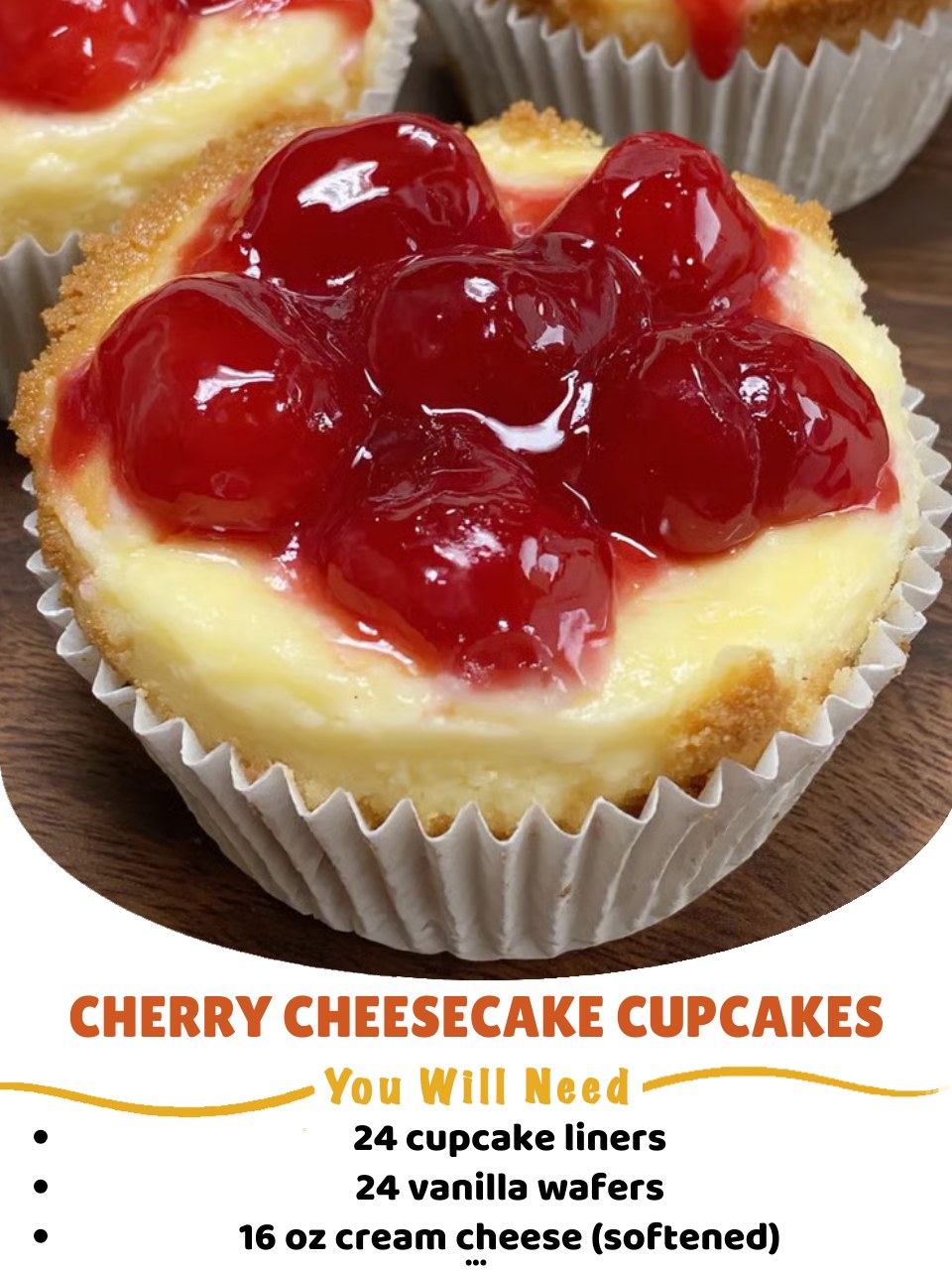
When the timer goes off, I turn off the oven and crack the door open just a bit. I let the cupcakes cool slowly in the oven for 15 minutes. This gentle cooling helps prevent drastic temperature changes that lead to cracking. After that, I transfer the muffin tins to a wire rack to cool completely to room temperature. Once cool, I refrigerate them for at least 2 hours, but ideally overnight. This chilling step is crucial; it allows the cupcakes to set fully and develop that perfect, sliceable cheesecake texture. Just before serving, I spoon a generous dollop of the chilled cherry pie filling onto the center of each cupcake.
Pro Tips for Best Results
My best tip is all about temperature. I tested the cream cheese three different ways: cold from the fridge, softened for 30 minutes, and softened for a full hour. The hour-long soften was the winner. It blends into a perfectly silky filling without overbeating, which can incorporate too much air and cause the cupcakes to puff and then fall dramatically.
To prevent cracks, avoid overmixing after adding the eggs and use the slow-cool method. Here’s what I learned the hard way: beating the eggs in on high speed or for too long whips in excess air. That air expands in the oven and then collapses as it cools, creating cracks. Mix on low speed just until combined, and that slow cool in the cracked oven is your best friend for a smooth top.
For the neatest presentation, chill your cherry pie filling. When it’s cold, it’s thicker and less runny, so it mounds beautifully on top of the cupcake without sliding off or making the liner soggy. I also use a small cookie scoop to portion it, which keeps things tidy and uniform.
Common Mistakes to Avoid
The first mistake I made was using cold cream cheese. I was impatient and thought my mixer could power through the lumps. It couldn’t. I ended up with a slightly grainy filling and visible little white bits of cheese in my baked cupcakes. Letting the blocks sit out on the counter until they are truly soft to the touch is the most important step for a professional texture.(See the next page below to continue…)