
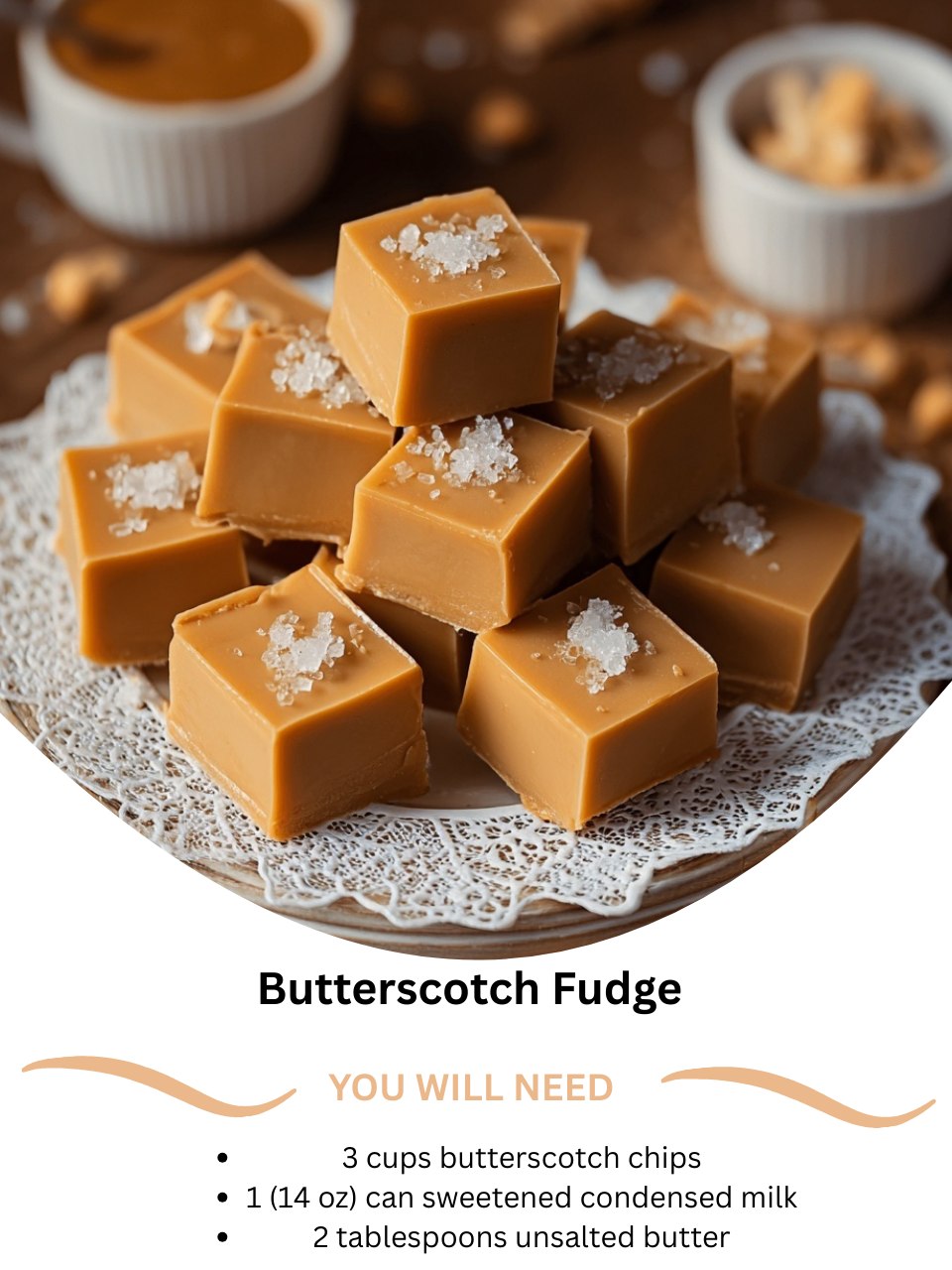
Using my spatula, I spread the fudge into an even layer, nudging it into the corners. The surface will be beautifully glossy. I then let the pan cool on the counter for about 15 minutes before transferring it to the refrigerator. This prevents sudden temperature changes that could cause condensation. I chill it, uncovered, for at least 3 hours, but I find 4 hours or even overnight yields the perfect, firm-yet-creamy texture for clean slicing. Once it’s fully set, I use the parchment sling to lift it out, place it on a cutting board, peel away the paper, and slice it into small squares with a sharp knife.
Pro Tips for Best Results
I tested the melting method three different ways: in the microwave, using a double boiler, and in a heavy saucepan on the stove. The heavy saucepan on the lowest heat was the clear winner for control. The microwave is risky and can easily overheat the chips, causing them to seize. The double boiler is safe but slower and creates more dishes. A quality saucepan with constant, gentle stirring gives you perfectly smooth results every single time.
Here’s what I learned the hard way about the chilling time: don’t try to speed it up in the freezer. I was impatient once and popped the pan in the freezer. While it set quickly, the surface became slightly tacky from condensation when it came back to fridge temperature, and the texture was a bit harder than the luxurious creaminess you get from a slow refrigerator set. Patience in the fridge is key for that classic fudge mouthfeel.
For the cleanest, most professional cuts, use a large, sharp chef’s knife. Run the blade under very hot water, wipe it dry, and make a single, confident cut straight down. Wipe the blade clean and reheat it between each cut. The heat helps the knife glide through the dense fudge without dragging or cracking. You can also lightly score the surface with lines before chilling to act as a perfect cutting guide.
Common Mistakes to Avoid
My biggest first-time mistake was turning up the heat to speed up the melting. I thought “low and slow” was taking too long. Within a minute, I smelled a faint scorch and saw tiny brown bits at the bottom of the pan. That bitter taste permeated the whole batch. Butterscotch chips are delicate. You must keep the heat on the lowest setting and stir without stopping until the very moment you pour it into the pan. Rushing ruins it.(See the next page below to continue…)