
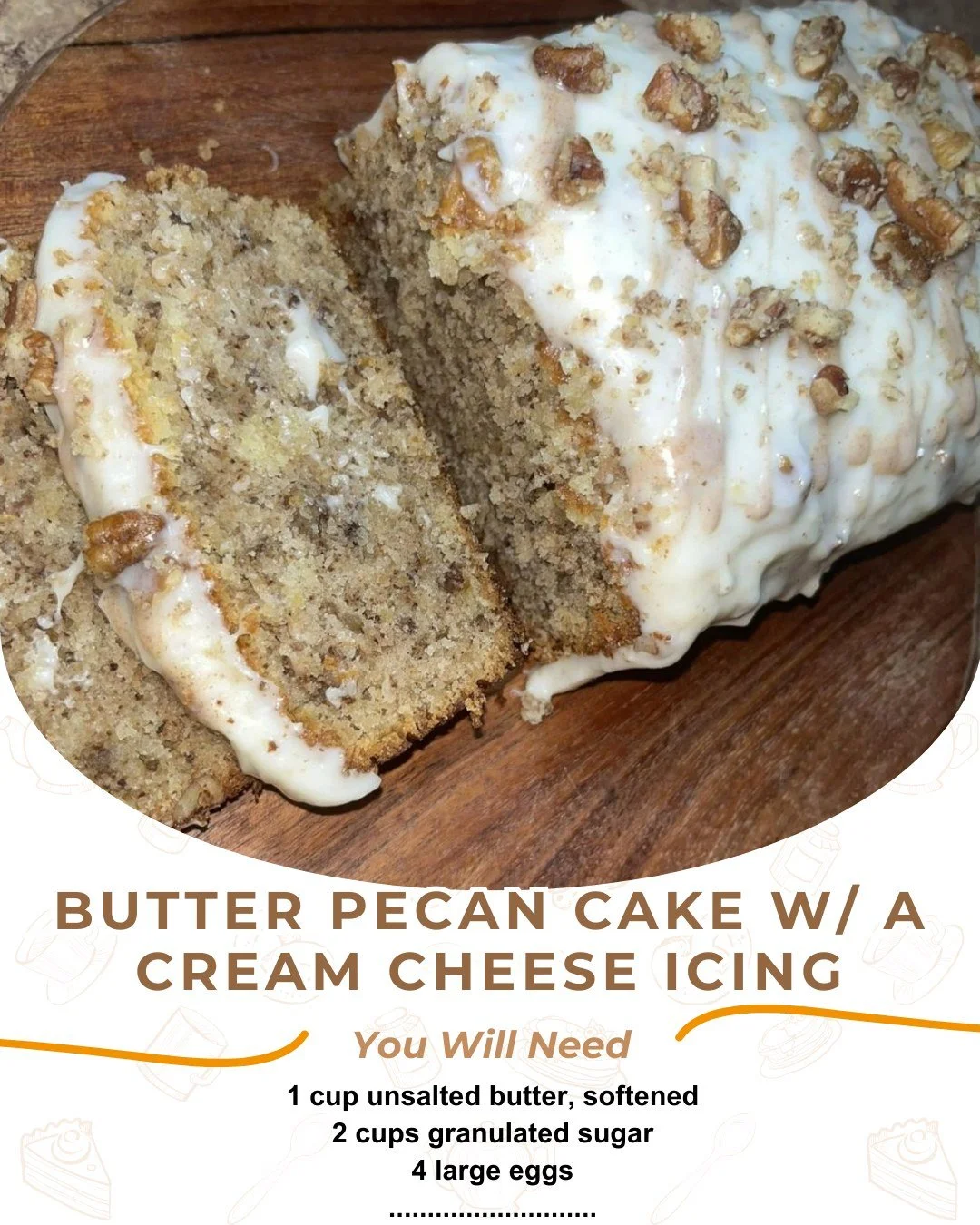
In the prepared pan, I pour the batter evenly and smooth the top with my spatula. I then pop it in the preheated oven and bake for about 30-35 minutes if using the 9×13 size (or 25-30 minutes for round pans), until a toothpick inserted in the center comes out clean. While the cake is baking, my kitchen fills with an irresistible nutty aroma—it’s just heavenly! I allow the cake to cool in the pan for about 10 minutes before transferring it to a cooling rack to cool completely.
Once my cake has cooled, it’s time to make the cream cheese icing. In a mixing bowl, I beat together the softened cream cheese and butter until smooth and creamy. Then I gradually add the powdered sugar, mixing on low until incorporated, and finish with a splash of vanilla extract for that extra flavor. After my cake is completely cooled, I spread the icing generously across the top, letting it cascade over the edges because, honestly, who doesn’t love a bit of extra icing?
Pro Tips for Best Results
When it comes to butter pecan cake, toasting the pecans is a game-changer! I remember the first time I forgot this step, and the cake just didn’t have the same depth of flavor. I usually toast my pecans in a skillet over medium heat for about 5 minutes, stirring frequently until they’re golden and aromatic. Just be careful not to burn them—trust me, I’ve learned this the hard way!
Another tip is to ensure that your ingredients are at room temperature. It really makes a difference in how well the batter combines and how fluffy the cake turns out. I let the eggs and butter sit out for about 30 minutes before starting the recipe. This little trick helps to create a lighter, more delightful cake.
Finally, I always recommend making sure the cake is fully cooled before icing. If it’s still warm, the cream cheese icing can melt and slide right off the cake. I usually set my timer and get other things done in the kitchen while I wait; it’s truly worth every minute for that gorgeous final product!
Common Mistakes to Avoid
One common mistake I’ve made in the past was not measuring the flour properly, leading to a dry cake. I’ve found that spooning the flour into the measuring cup and leveling it off with a knife gives the best consistency. Trust me; dry cakes are not what we want here!
Additionally, overmixing the batter can lead to a tough texture. I mix just until everything is combined and the flour is fully incorporated. It’s okay if a few lumps remain; they’ll bake out and create a tender crumb. It’s hard to resist stirring, but this is one time when less is more!
I’ve also realized that the baking time can vary depending on my oven, so it’s a good idea to start checking for doneness a few minutes early. Every oven is different, and I recommend keeping an eye on the cake and doing the toothpick test to pull out the perfect bake. (See the next page below to continue…)