
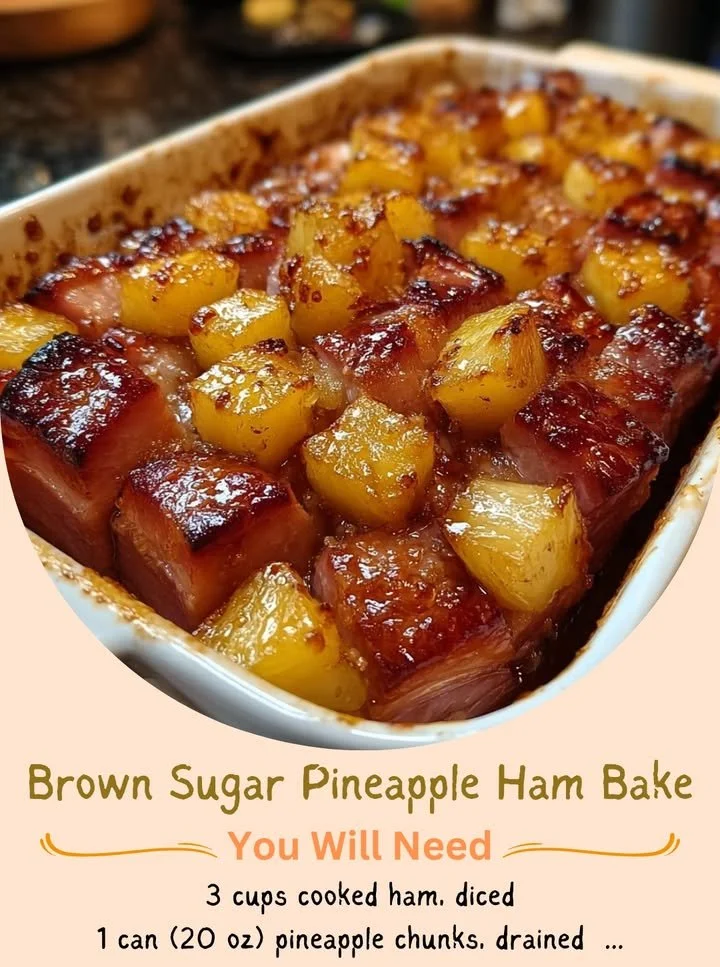
Next, take the glaze you just mixed and generously brush it all over the scored surface of the ham. Then, arrange those pretty pineapple slices on top, securing them with toothpicks if necessary. Cover the ham loosely with aluminum foil to keep it moist and prevent the glaze from burning while it bakes. I like to make sure the foil is tight enough to keep the steam in, as this helps to retain the juices and keep the ham tender.
Now, place the ham in the preheated oven and bake it for approximately 15-18 minutes per pound. Make sure to baste the ham with the juices a couple of times during the baking process. This little step guarantees a rich, flavorful glaze. As the ham cooks, your house will be filled with the sweetest smell! I can hardly wait for it to be done.
About 30 minutes before the ham is finished baking, remove the foil to let the glaze caramelize. Keep an eye on the ham, as you want it to develop a lovely golden color but not burn. Once the internal temperature reaches 140°F (60°C), it’s time to take your masterpiece out of the oven. Let it rest for at least 15 minutes before slicing—this keeps all those juicy flavors inside.
Pro Tips for Best Results
I tested this recipe three ways: with various flavors of mustard, different types of ham, and even varying the amount of pineapple. By far, I found that Dijon mustard gives the best balance of tang and sweetness—don’t skip this ingredient! Moreover, opting for a bone-in ham really makes a difference in flavor and moisture; trust me, it’s worth the extra effort.
When I experimented, I also tried adding some chopped fresh herbs, like thyme and rosemary, into the glaze. The aromatic freshness was a delightful surprise, elevating the dish to another level! If you love experimenting in the kitchen, don’t be afraid to play around with spices for a unique twist that reflects your taste.
Finally, one crucial tip I learned is to ensure your ham has fully thawed if it was frozen. An improperly thawed ham can lead to uneven cooking and might not absorb the glaze well. I typically transfer my ham from the freezer to the fridge at least two days before I plan to cook, making the process hassle-free.
Common Mistakes to Avoid
One of the common mistakes I’ve encountered is not scoring the ham properly. Scoring is essential because it allows the glaze to seep into the meat, giving you that deliciously caramelized flavor. I remember the first time I made this recipe—I didn’t score deep enough, and the glaze just sat on top. The result was tasty but not nearly as integrated as it should have been! (See the next page below to continue…)