Preparing the Fruit and Caramel Base
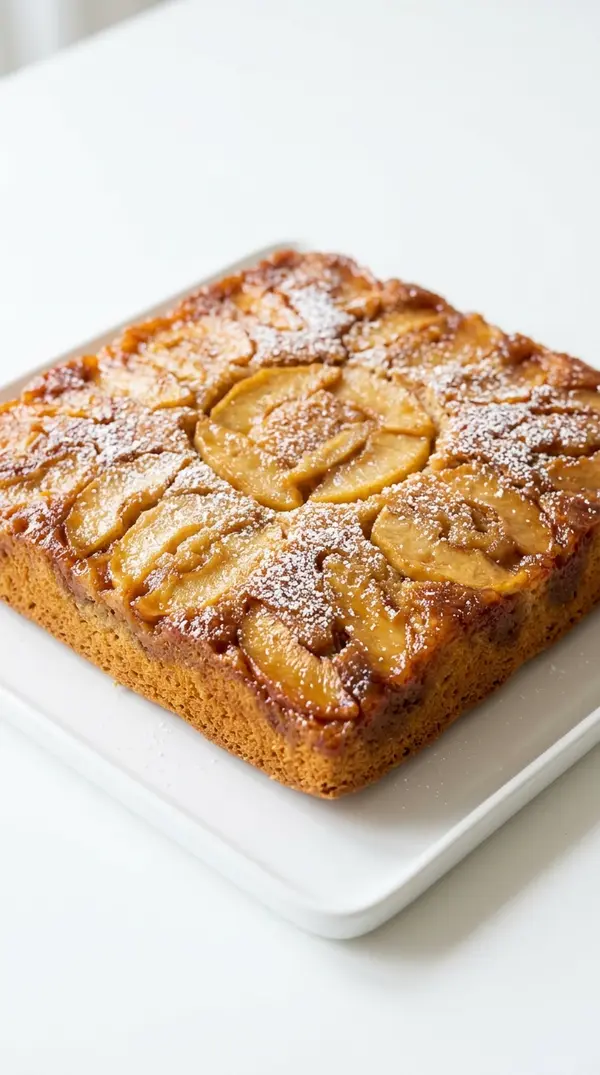
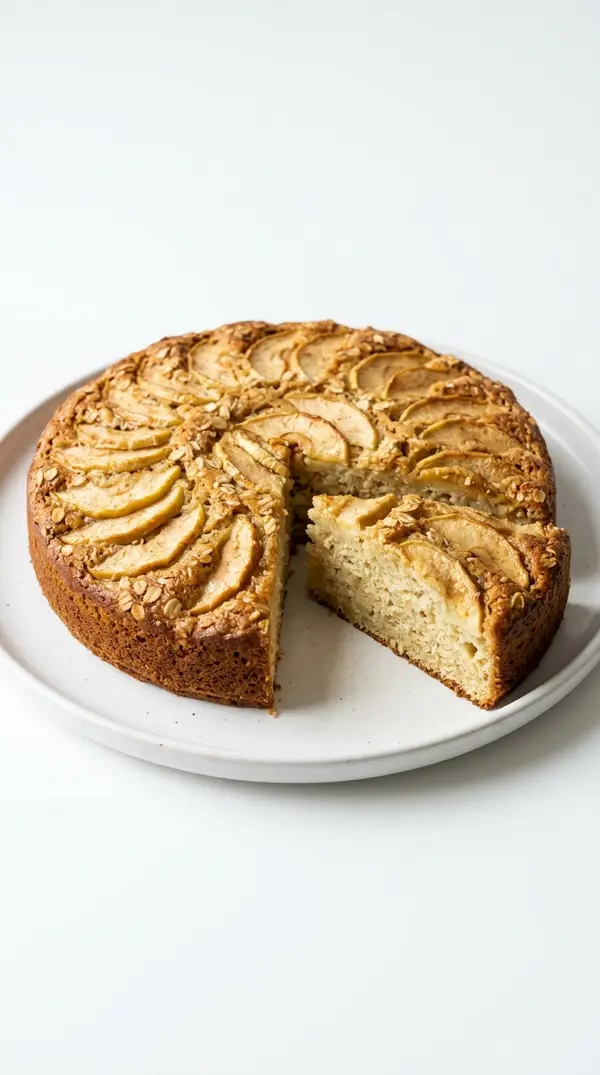
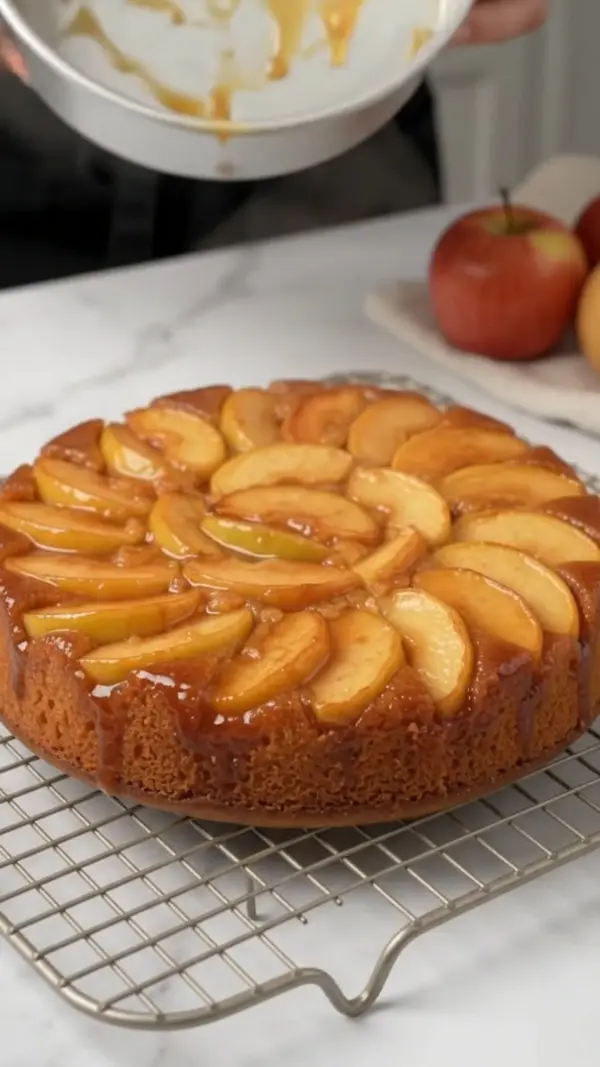
Thin apple wedges arrange in a circular pattern, so each slice shows a neat fruit crown.
Gluten‑free cake batter bakes quickly, keeping the crumb light and airy.
The whole recipe uses only five ingredients, so pantry trips are short.
One pan means cleanup is a breeze and the cake releases cleanly when inverted.
Building the Cake Layer by Layer
Step 1: Step 1: Preheat the oven to 350°F (175°C) and place a 9‑inch round baking pan on the middle rack. This temperature gives the caramel‑cream enough heat to melt without scorching.
Step 2: Step 2: Pour the 150 ml caramel sauce into a medium bowl, then add the 100 ml heavy cream. Using a silicone spatula, stir until the mixture is smooth and uniform, about 30 seconds.
Step 3: Step 3: Carefully pour the caramel‑cream mixture into the bottom of the prepared pan, spreading it with the spatula so it covers the entire surface. The mixture should be thin enough to flow but thick enough to coat the pan.
Step 4: Step 4: Arrange the apple wedges in a neat, overlapping circular pattern over the caramel layer. Start at the outer edge and work inward, pressing gently so the apples sit flat. This creates a decorative top that will become the base when flipped.
Step 5: Step 5: Pour the 400 g gluten‑free cake batter over the arranged apples. Use a ladle or the batter’s original container to create a thick ribbon that drapes over the fruit, ensuring the batter reaches the pan’s edges.
Step 6: Step 6: Bake for 25‑30 minutes, or until the cake’s edges turn golden brown and a toothpick inserted near the center comes out clean. The caramel should bubble lightly at the edges, indicating a good seal.
Step 7: Step 7: Remove the pan from the oven and let it sit on a cooling rack for 5 minutes. Then, using oven mitts, place a large plate upside‑down over the pan and, with a swift motion, invert the cake onto the plate. The caramel‑glazed apples will now sit on top.
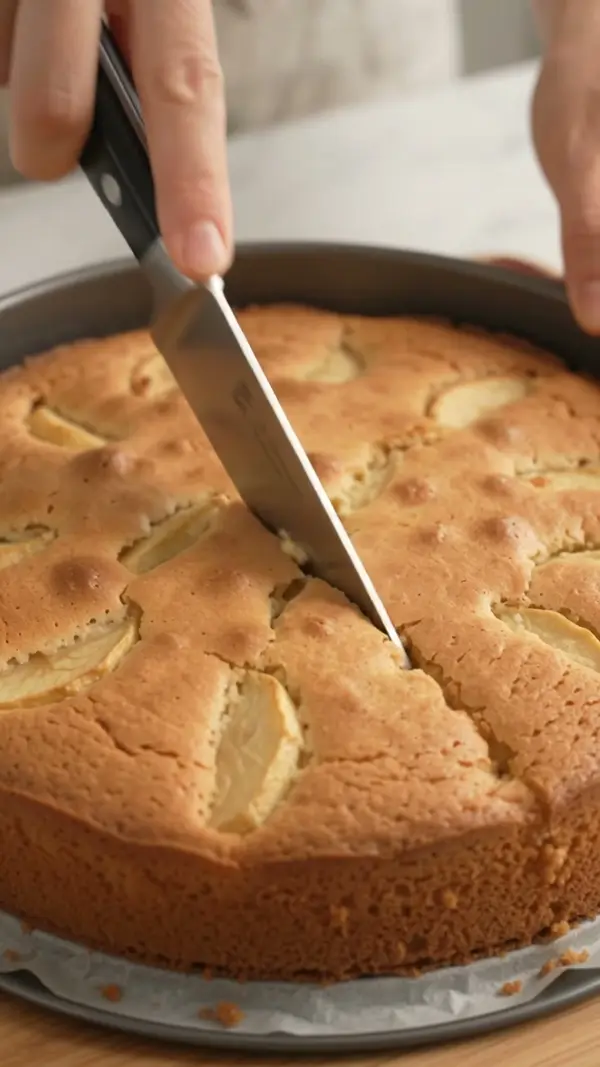
Step 8: Step 8: Allow the cake to cool for another 10 minutes before slicing. Use a sharp knife to cut a triangular wedge, then slide the slice onto a serving plate.
Step 9: Step 9: Serve warm, optionally with a dollop of whipped cream or a scoop of vanilla ice cream for extra indulgence.
Preventing a Wet Base and Broken Topping
Caramel burns: Keep the oven temperature at 350°F (175°C); higher heat can scorch the caramel, making it bitter. Reduce temperature by 25 °F if the kitchen is hot.
Apple slices sink: Pat the apple wedges dry before arranging; excess moisture makes them slip into the batter.
Cake sticks to the pan: Lightly grease the pan with butter or spray before adding the caramel‑cream; this creates a release barrier.
Uneven top: Spread the batter evenly with a spatula; a lopsided batter leads to a tilted fruit crown after inversion.
Dry crumb: Do not overbake; start checking at 22 minutes and look for a springy center.
Caramel runs off: Use a runnier caramel sauce; thick caramel can pool at the bottom and not coat the apples fully.
Fruit and Sweetener Alternatives That Hold Up
Maple caramel: Replace the caramel sauce with equal parts pure maple syrup and butter for a milder, autumnal flavor.
Cinnamon apples: Toss the apple wedges with ½ tsp ground cinnamon before arranging for a warm spice note.
Almond flour batter: Use a gluten‑free almond flour cake mix instead of the standard batter for a nutty crumb.
Brown butter base: Melt 2 tbsp butter and brown it, then blend with the caramel sauce for a richer, toasty undertone.
Keeping It Fresh
Store any leftover cake in an airtight container at room temperature for up to two days; the caramel‑cream layer stays moist and prevents the cake from drying out. For longer storage, wrap a slice tightly in plastic wrap and freeze for up to one month. Reheat frozen slices in a 300°F (150°C) oven for 8‑10 minutes, or microwave a single piece for 20 seconds to restore softness.
Creative Plating and Drink Pairings
Slice the cake into generous wedges and serve on dessert plates. A light dusting of powdered sugar adds visual contrast without altering flavor. Pair with a chilled glass of hard cider for a seasonal touch, or serve alongside a scoop of vanilla bean ice cream for a classic hot‑cold combo.
Apple Upside-Down Cake Questions
How do I prevent the caramel from hardening too quickly?
Caramel hardens when it cools below 90 °F. Keep the pan on a warm surface for a minute after baking, and work quickly when inverting. If the caramel is very thick, add a splash of milk to thin it before pouring.
Can I use a different fruit instead of apples?
Yes. Pears, peaches, or even pineapple rings work well. Slice them thinly and arrange the same way; adjust baking time by a minute or two if the fruit releases more juice.
What pan size gives the best caramel-to-cake ratio?
A 9‑inch round pan provides the ideal balance; the caramel spreads thinly enough to coat the base without drowning the cake. Larger pans dilute the caramel flavor, while smaller pans may cause overflow.
Is it okay to use a store‑bought gluten‑free batter that contains dairy?
Absolutely. The recipe already includes heavy cream, so additional dairy in the batter does not affect texture. Just ensure the batter has proper leavening for a light crumb.
How can I make the cake extra fluffy without adding eggs?
Choose a gluten‑free batter that lists baking powder or soda as the leavening agent. Whisk the batter briefly before pouring to incorporate air, which helps the cake rise even without extra eggs.