
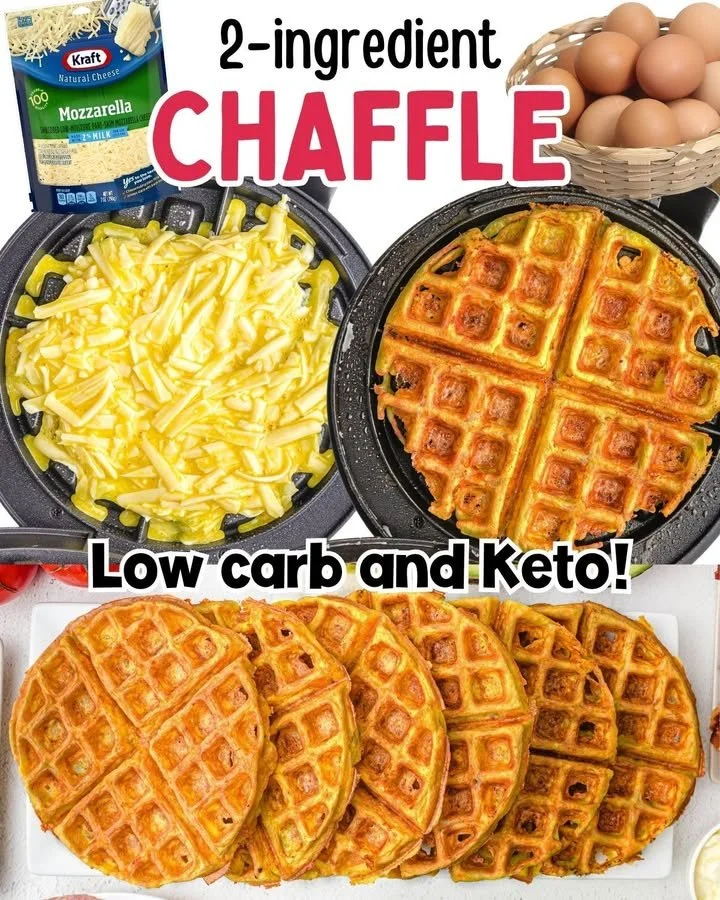
Overfilling the waffle iron is a common frustration. When I first started, I thought more batter would make a thicker, bread-ier chaffle. What it actually does is cause a huge, messy overflow that cooks onto the outside of the iron, smokes, and makes cleanup a nightmare. A single egg and half-cup of cheese mixture is the perfect amount for a standard 4-inch mini waffle maker. It will fill it just right, rising to the edges without spilling over. If you want a thicker chaffle, let the first one cook for 2 minutes, then add a tiny bit more batter on top before closing again—but this is an advanced move!
Peeking too early is the enemy of the perfect crisp. I am so guilty of this. The urge to lift the lid after a minute is strong. But every time you do, you release crucial steam and heat, which can prevent the chaffle from cooking through and crisping up properly. It can also cause it to tear. Set a timer for 3 minutes and walk away. Let the machine do its job. The visual cue of the slowing steam is your best indicator, and that won’t happen if you keep interrupting the process.
Finally, skipping the cooling step will leave you with a softer, more fragile product. If you immediately try to build a burger on a freshly made chaffle, the heat and moisture from the patty will make it go limp. I learned this when my first chaffle burger ended up as a delicious but messy fork-and-knife situation. Letting the chaffle cool and crisp on a rack first creates a stable base that can withstand juicy tomatoes, condiments, and a hot patty. It’s the secret to using it as functional “bread.”
Serving Suggestions
My absolute favorite way to serve a basic chaffle is as a brilliant breakfast vehicle. I’ll top a crispy, cooled chaffle with a fried egg, a slice of crispy bacon, and a drizzle of sugar-free maple syrup or a dollop of everything bagel seasoning mixed into cream cheese. The mix of savory, salty, and creamy is out of this world. Two chaffles with fillings in between make the most satisfying breakfast sandwich you can imagine, all without a single gram of traditional bread.
For lunch or dinner, the chaffle shines as a bun or base. I use two sturdy, fully-cooled chaffles to bookend a juicy beef or turkey burger with all the fixings. They hold up shockingly well! I also love using a single chaffle as a personal pizza crust. I’ll pop the plain, cooked chaffle under the broiler for a minute to re-crisp, then add a smear of low-carb pizza sauce, a sprinkle of cheese, and pepperoni, and broil again until bubbly. It’s a 5-minute personal pizza that feels incredibly indulgent.
For a simple snack or side, I treat chaffles like savory toast points. I’ll spread them with whipped cream cheese and smoked salmon for a keto-friendly “bagel and lox,” or top them with avocado mash and everything bagel seasoning. When I’m craving something crunchy to dip, I’ll make chaffles extra crispy, let them cool completely, and break them into “chips” for guacamole or spinach-artichoke dip. Their neutral, cheesy flavor is the perfect complement to almost any dip.
Variations & Customizations
The basic formula is a blank canvas. For a sweet chaffle, I omit the mozzarella and use the same 1 egg + ½ cup base, but with a mild cheese like shredded gouda or even cream cheese, and I add a teaspoon of granulated sweetener (like monk fruit), a dash of vanilla, and a pinch of cinnamon. This makes a fantastic base for berries and whipped cream. It’s a different texture—softer and more custardy—but it satisfies a pancake craving beautifully.
Savory add-ins are where I have the most fun. To the basic batter, I’ll stir in a tablespoon of everything bagel seasoning, or some cooked, crumbled bacon and chopped chives. For an Italian-inspired version, I’ll add a pinch of dried oregano, garlic powder, and a tablespoon of grated Parmesan to the mozzarella. This makes an incredible base for chicken parmesan or simply dipped in marinara sauce. The key is to keep add-ins small and dry; too much moisture can throw off the cooking time and texture.
If you find the egg flavor too prominent, a simple tweak is to separate the egg. Whip the white until stiff peaks form, then gently fold it into the mixture of the yolk and cheese. This creates an airier, lighter chaffle with a more muted egg taste. It’s an extra step, but for those particularly sensitive to the flavor, it’s a game-changer. I also love adding a tablespoon of unflavored protein powder or psyllium husk powder for an extra fiber and protein boost, which also enhances the bread-like texture.
How to Store, Freeze & Reheat
Fresh chaffles are best, but they store remarkably well. I let them cool completely on a wire rack, then place them in a single layer in an airtight container or zip-top bag in the fridge. They’ll keep for 3-4 days. To reheat, never use the microwave if you want to retain crispness—it will make them soft and rubbery. Instead, I pop them directly into my toaster or toaster oven for a few minutes until they’re hot and crispy again. This method restores them nearly to their just-made glory.
Yes, you can freeze chaffles! This is my meal-prep secret. Once cooled, I place parchment paper between each one and store them in a freezer bag. They’ll keep for up to 2 months. To reheat from frozen, I don’t even thaw them. I put them straight from the freezer into the toaster or toaster oven on a medium setting. It might take two cycles, but they come out perfectly hot and crisp. This is perfect for having “bread” on demand for any quick meal.
One thing that doesn’t work well is storing them while they’re still warm. The trapped steam will make the entire batch soggy. Always, always cool them completely first. Also, avoid stacking them while warm for the same reason. If you’ve added wet ingredients like salsa or onions directly to the batter, the chaffles may not freeze or reheat as well, becoming a bit more fragile. For best storage results, stick to the basic 2-ingredient version or dry add-ins, and customize after reheating.
Conclusion
The 2-ingredient chaffle is more than a recipe; it’s a paradigm shift in quick, low-carb cooking. It’s proof that sometimes the simplest ideas are the most revolutionary. From my skeptical first try to the dozens of variations now in my weekly rotation, this little waffle has brought back the joy and convenience I thought I’d lost. I hope it does the same for you, opening up a world of crispy, cheesy possibilities right from your countertop. Now go preheat that waffle iron—your new kitchen staple is waiting to be discovered.