
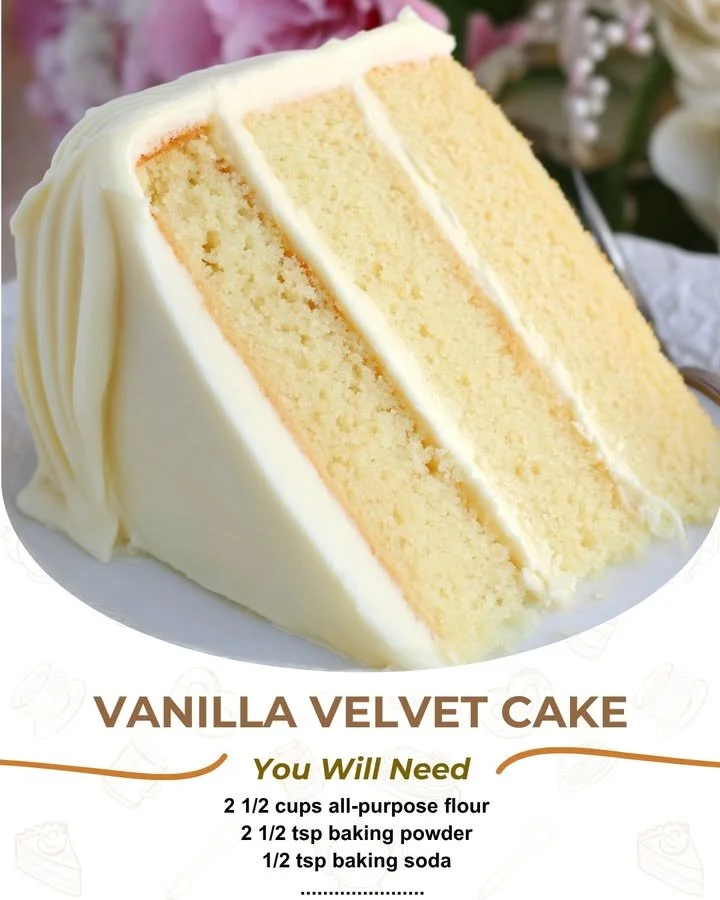
Next, in a separate bowl, whisk together the flour, baking powder, baking soda, and salt. Gradually add this dry mixture to the wet ingredients, alternating with the whole milk. I usually do this in three additions—beginning and ending with the flour mixture. Just mix until you see no flour streaks; overmixing can lead to a dense cake, which we definitely want to avoid. Once your batter is ready, divide it evenly between the prepared pans. I love using a kitchen scale for this to ensure both layers are uniform.
Now, bake in your preheated oven for about 25-30 minutes or until a toothpick inserted in the center comes out clean. While the cakes are baking, I find myself daydreaming about how rich and fluffy they will be! Once done, leave them to cool in the pans for 10 minutes before transferring them onto a cooling rack. Patience is key here, as letting the cakes cool completely will yield a better texture as you layer and frost.
Once your cakes are completely cool, it’s time to indulge in some decoration. I usually opt for a light vanilla buttercream frosting, which complements the flavor beautifully. Just spread a generous layer between the two layers and then frost the top and sides to your liking. I often allow my creativity to take over at this stage, adding sprinkles, fresh berries, or edible flowers for an extra pop of color.
Pro Tips for Best Results
One thing I’ve learned from making this cake several times is to always use room temperature ingredients. It truly makes a difference in how well the batter incorporates and can result in a smoother texture. I often take my butter and eggs out of the fridge a couple of hours before I start baking. Plus, I love adding a pinch of almond extract along with the vanilla for an added depth of flavor. It creates a lovely aroma while baking!
Another tip I cannot emphasize enough is not to open the oven door too soon. I tested this recipe with different baking times and found that even a few minutes can impact how evenly the cake rises. I usually set a timer and peek through the glass to check on the cakes. Lastly, be sure to have all your ingredients measured out before you begin. It makes the process smoother and more enjoyable, allowing you to get lost in the mixing and baking without interruptions.
Lastly, I’ve discovered that letting the frosted cake sit for a few hours or even overnight in the fridge helps all the flavors meld beautifully. When I cut into it the next day, it feels as if every bite is even tastier, making it a wonderful option for preparing ahead for parties or gatherings.
Common Mistakes to Avoid
One of the biggest pitfalls I’ve encountered—and that I see in my friends’ baking adventures—is not properly measuring the flour. Too much flour can lead to a drier, denser cake. I always spoon the flour into my measuring cup and level it off with a knife rather than scooping directly from the bag. This simple action changes everything! (See the next page below to continue…)

