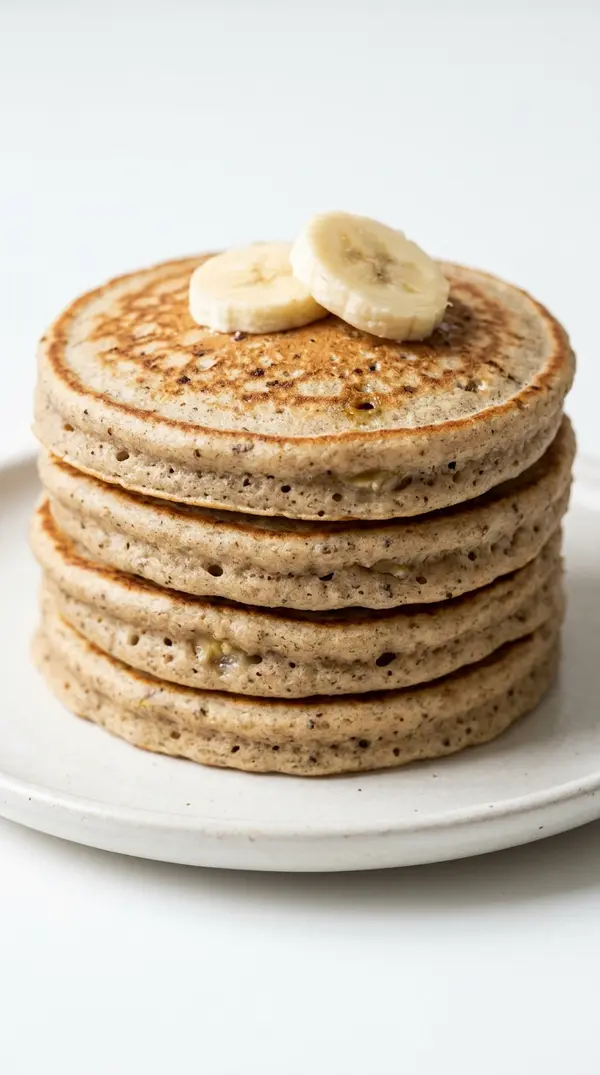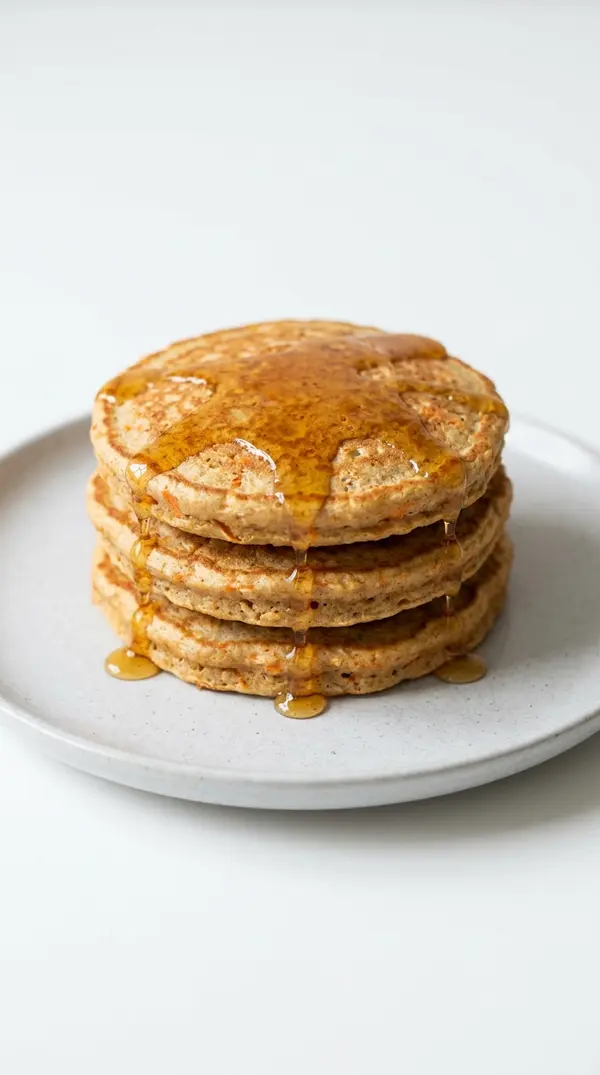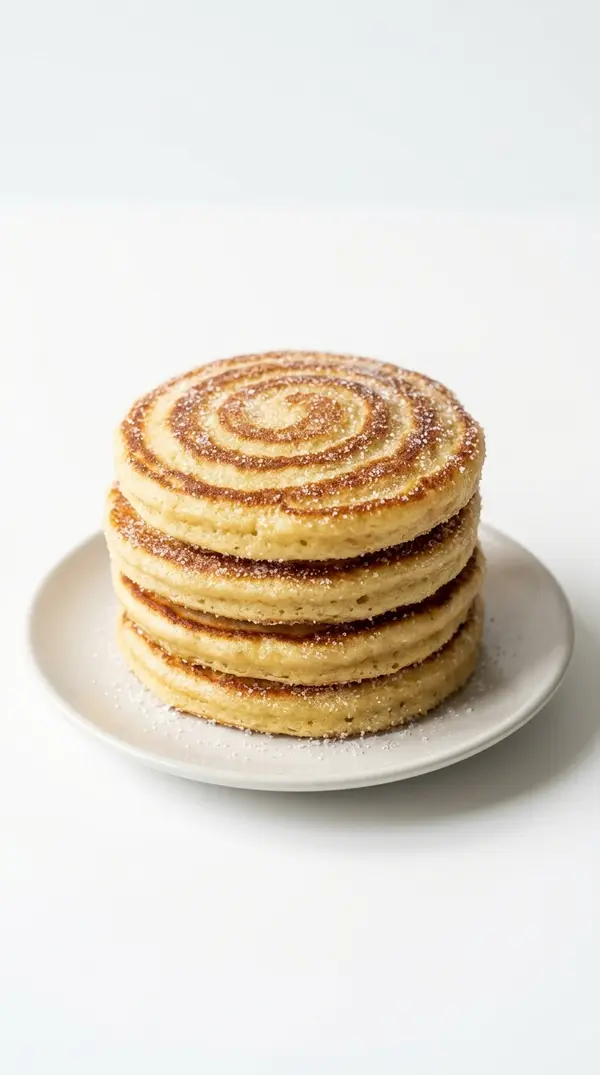
Mixing and Cooking the Spiral Pancakes
Step 1: Crack the egg into a medium bowl, add the granulated sugar and vanilla sugar, then whisk vigorously for about 30 seconds until the mixture turns a pale yellow and thickens slightly. Step 2: Pour in the vegetable oil and yogurt, whisk again until the batter is smooth and glossy, with no visible lumps. Step 3: Sprinkle the flour and baking powder over the wet mixture, then whisk just until combined, forming a thick but pourable batter. Transfer the batter to a pastry bag fitted with a large plain tip. Step 4: Heat a non‑stick 10‑inch skillet over medium heat and lightly grease it with a dab of oil. When a few drops of water sizzle, the pan is ready.
Step 5: Pipe a steady spiral of batter onto the hot surface, starting from the center and moving outward. Let the edges set for about 45 seconds; the surface should look matte and the edges begin to lift. Step 6: Slide a thin spatula under the pancake and flip it carefully. Cook the second side for another 30 seconds until lightly golden. Step 7: Immediately press the warm pancake’s top side into a shallow plate of granulated sugar, allowing the sugar to adhere before it cools. Step 8: Transfer the coated pancake to a serving plate, stacking as desired. Repeat the piping, flipping, and coating process until the batter is exhausted, keeping the skillet greased between batches.
Common Slip‑Ups and How to Fix Them
If the batter stays runny, the flour may be under‑measured; add a tablespoon at a time until it thickens. Over‑whisking after adding flour can make the pancakes tough, so stop as soon as the batter is smooth. Pancakes that stick to the pan usually mean the surface isn’t hot enough; raise the heat slightly and wait for a steady sizzle.
Flipping too early results in a ragged edge; wait until the edges pull away from the pan before turning. Sugar that doesn’t stick often indicates the pancake isn’t warm enough; reheat briefly before pressing into sugar. Finally, uneven spirals happen when the piping pressure varies; practice a steady hand and consistent pressure.
Swaps That Still Deliver Great Results
Replace the plain yogurt with sour cream for a tangier bite while keeping the same moisture level. Use melted butter instead of oil for a richer flavor, but watch the pan temperature to avoid burning. Substitute almond flour for half of the all‑purpose flour for a nutty twist, remembering that almond flour doesn’t rise as much. Add a pinch of cinnamon to the sugar coating for a warm spice note that pairs well with the vanilla.
Keeping Pancakes Fresh and Reheating Tips
These pancakes are best served fresh, but you can keep leftovers in an airtight container at room temperature for up to two hours. For longer storage, wrap them individually in parchment and freeze for up to three days. Reheat in a hot skillet for a minute per side to restore crispness, or microwave briefly and finish under a broiler for a quick crunch.
Fun Ways to Plate Spiral Pancakes
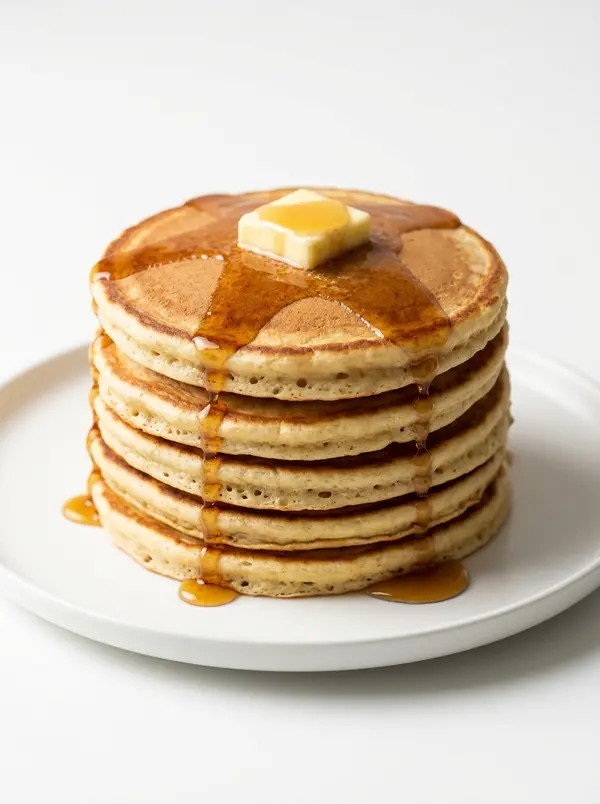
Serve a stack of warm spirals on a plate, dusted with extra sugar for visual appeal. Pair with a dollop of plain yogurt or a drizzle of maple syrup if you like a touch of moisture. A side of fresh berries adds color and a light acidity that balances the sweet coating. For a festive touch, sprinkle toasted coconut flakes over the top.
Sugar Coated Spiral Pancakes Questions
How thick should the batter be?
The batter should be thick enough to hold its shape when piped, similar to a thick pancake batter. It must flow slowly from the pastry bag but not pool on the pan.
Can I use a squeeze bottle instead of a pastry bag?
A squeeze bottle works if it has a wide opening that allows a smooth spiral. Make sure the bottle is sturdy enough to handle the batter’s thickness without clogging.
What type of pan gives the best results?
A non‑stick 10‑inch skillet distributes heat evenly and releases the pancakes easily. Cast‑iron works too, provided it’s well seasoned and pre‑heated.
How do I prevent the sugar from clumping on the pancake?
Press the pancake onto the sugar while it’s still warm and slightly moist. The heat melts the sugar’s surface, creating a thin caramelized layer that stays crisp.
Is it possible to make these without a whisk?
A fork can beat the egg and sugars, but a whisk incorporates more air, giving a lighter texture. If you use a fork, whisk a bit longer to achieve a pale mixture.
Related Breakfast Ideas
If you enjoy these spirals, try our Homemade Pancakes for a fluffy alternative, or the Golden Banana Pancake for a fruity twist. For a protein boost, see the Banana Peanut Pancakes.