
Next, add the eggs one at a time, mixing well after each addition. I love to crack my eggs into a separate bowl first, just in case a shell slips in. There is something undeniably satisfying about seeing the yolk blend into the buttery mixture. Once the eggs are fully incorporated, mix in the buttermilk, lemon zest, lemon juice, and vanilla extract. Each of these ingredients plays a role in enhancing the cake’s lemony character, so don’t skip them!
In another bowl, whisk together the flour, baking powder, baking soda, and salt. Once that’s done, gradually add the dry mixture to the wet ingredients, combining everything gently with a rubber spatula until just incorporated. It’s okay if there are a few small lumps—over-mixing can lead to a dense cake, which we definitely want to avoid. Once everything is combined, pour the batter into the prepared cake pan and smooth the top for an even bake.
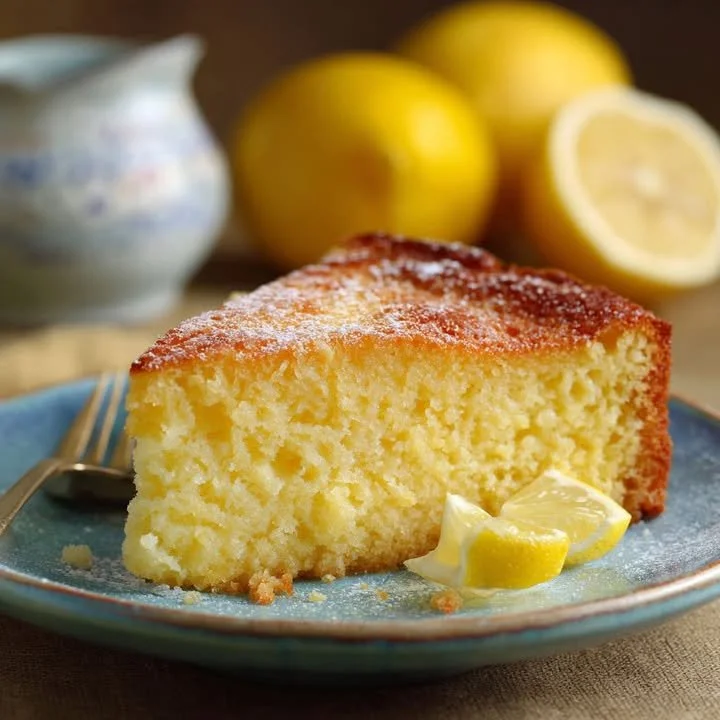
Bake your cake in the preheated oven for about 25-30 minutes. You’ll know it’s done when a toothpick inserted into the center comes out clean, and the top is lightly golden. The smell that wafts through my kitchen during baking is an absolute treat—just wait until you can finally slice into it! Allow the cake to cool for about 10 minutes before transferring it onto a cooling rack to cool completely.
Pro Tips for Best Results
I’ve tested this Soft Lemon Cake three ways: with both fresh lemons and bottled lemon juice. While you can use bottled juice in a pinch, I highly recommend fresh lemons for that vibrant flavor! Zest them right before using to capture the oils in the skin for an extra burst of lemony goodness.
Another tip that I learned after a few batches: make sure your butter is truly softened to room temperature. This helps create that airy texture I love. If it’s too cold, it won’t cream properly with the sugar, leading to a denser cake. I’ve also found that letting your eggs come to room temperature before adding them to the mix can enhance the fluffiness.
Lastly, don’t skip the cooling step after baking! I used to frost my cakes while they were still warm, which often resulted in a messy, sad-looking presentation. Allowing it to cool not only makes for a prettier finished product but also enhances the flavors as they settle during that time.
Common Mistakes to Avoid
One common mistake I’ve made in the past is mismeasuring the ingredients. Baking is as much science as it is art, and precise measurements make all the difference. I always recommend leveling off your flour with a knife and not packing it in. This can result in a denser cake, while we want that lovely fluffy texture. (See the next page below to continue…)