
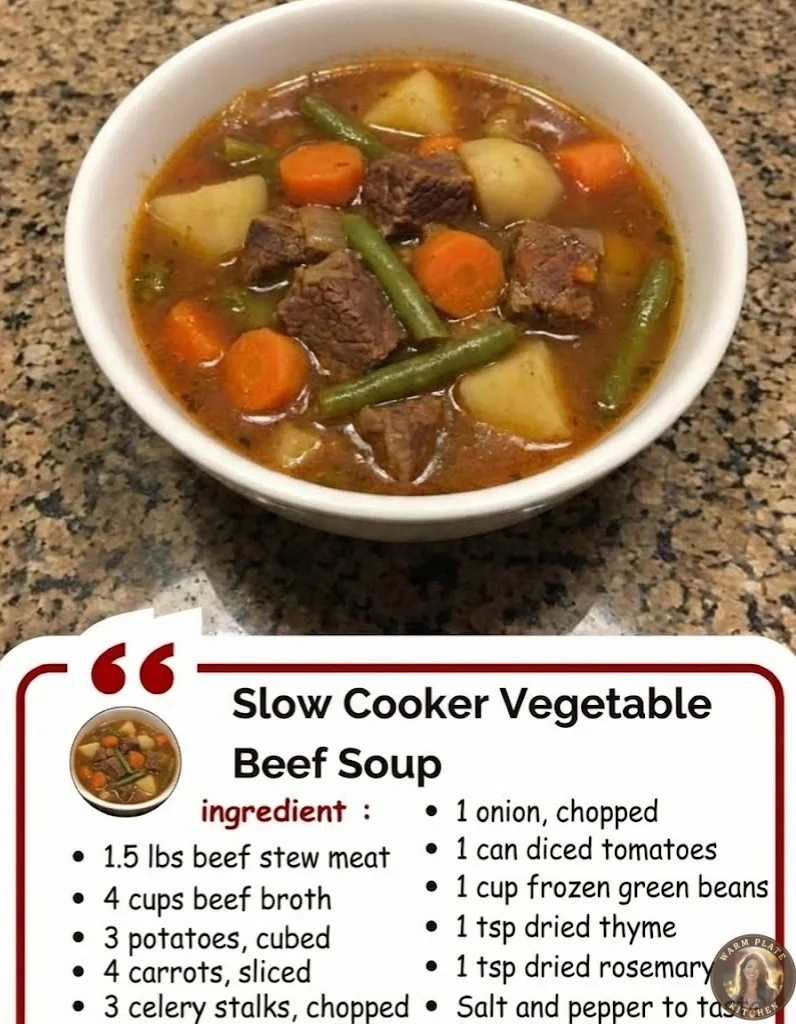
Another pitfall to avoid is forgetting to taste your soup before serving. I genuinely enjoy tasting things as they cook—after all, it’s essential for adjustments! A little pinch of salt can make a world of difference in enhancing the natural flavors of your vegetables and beef.
Lastly, consider adding acid at the end. A splash of lemon juice or vinegar can brighten the whole dish. The first time I made this soup, I neglected this step, and while it was fine, adding a dash of acid truly elevates the flavors and balances the richness of the broth.
Serving Suggestions
When it comes to serving this delicious soup, I love pairing it with homemade crusty bread or a warm baguette. Nothing beats dipping that bread into the rich broth! I also enjoy laying out a small spread of toppings at the table, like shredded cheese and croutons, so everyone can customize their own bowl just the way they like it.
For a heartier meal, I would serve it alongside a simple green salad tossed with a lemon vinaigrette. The freshness of the salad complements the warm soup beautifully, creating a balanced meal that leaves you feeling satisfied without being overly full.
And let’s not forget about leftovers! This soup heats up beautifully, making it a perfect lunch or dinner option the next day. Sometimes, I even find that the flavors deepen after a night in the fridge, making it even more delicious the second time around.
Variations & Customizations
I love how flexible this recipe is, and I’ve experimented with all sorts of variations. If I’m feeling adventurous, I’ll swap out the beef for shredded chicken or even lentils for a vegetarian option. Chickpeas are also a fantastic addition for some plant-based protein that adds a lovely creaminess to the soup.
In terms of vegetables, I often change things up based on the season or what’s in my fridge. Corn, zucchini, or bell peppers all make great additions, and I encourage you to get creative! If you prefer some heat, toss in a few diced jalapeños with the other ingredients.
Finally, sometimes I throw in some pasta or rice in the last hour of cooking. This not only makes the soup more filling but uses it as a great opportunity to clear out any leftover pasta sitting in my pantry.
How to Store, Freeze & Reheat
To store leftovers, I usually allow the soup to cool completely before transferring it to an airtight container. It will keep well in the refrigerator for about 3-4 days. I always make sure to label the container with the date, so I know how long it’s been hanging around!
For freezing, I recommend portioning some in freezer bags or containers, leaving a little room for expansion. It can be frozen for up to three months. Just remember to let it thaw overnight in the fridge before reheating, so it warms evenly.
When it comes to reheating, I skip the microwave and prefer to use the stovetop. I find it reheats more evenly that way, and I can add a splash of broth to loosen it up if it becomes too thick. A gentle simmer is all it takes to bring that delicious flavor back to life!
Conclusion
I hope you enjoy making this Slow Cooker Vegetable Beef Soup as much as I do! The beauty of this recipe lies not just in its simplicity, but in the way it fills your home with warmth and cheer. It’s perfect for cozy family dinners or meal prep for the week ahead. So grab those ingredients, set your slow cooker, and get ready to enjoy a heartwarming bowl of goodness! Happy cooking!