Assembling Your One‑Cup Cheesecake
Step 1: Place a small, round ramekin on a flat work surface and add the 3 tbsp of Greek yogurt directly into it. Step 2: Crack the large egg into the ramekin, letting the yolk and white sit beside the yogurt. Step 3: Using a small whisk or fork, blend the yogurt and egg together until the mixture is completely smooth and there are no visible streaks. Step 4: Sprinkle the 1 tbsp powdered sugar over the blended mixture, then whisk again until the sugar is fully incorporated and the batter looks glossy.
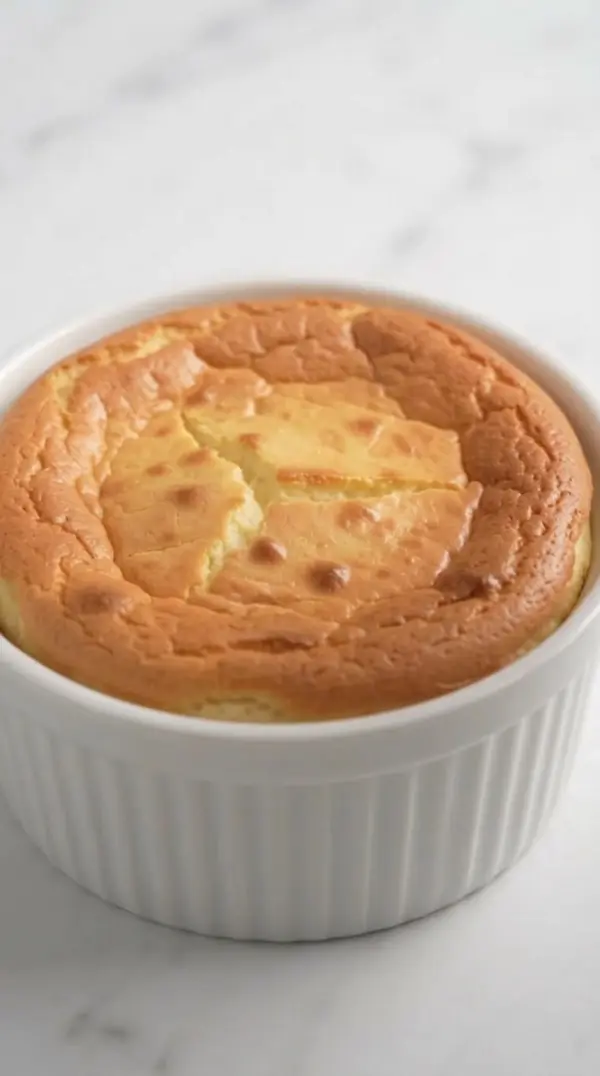
Step 5: Position the ramekin on the middle rack of a preheated oven set to 350°F (175°C). Step 6: Bake for exactly 20 minutes, watching for the edges to turn a light golden brown and the center to look set but still slightly wobbly when gently shaken. Step 7: Remove the ramekin from the oven and let it sit for a minute; the residual heat will finish the setting process. Step 8: Using a small spoon, scoop a portion from the center of the cheesecake and serve directly in the ramekin while it’s still warm.
Common Mistakes and How to Fix Them
If the top stays pale instead of turning golden, the oven temperature may be low; verify the dial is set to 350°F (175°C) and consider a brief extra minute of baking. A cracked surface often means the batter was over‑mixed; whisk just until smooth to keep the structure gentle.
When the center remains liquid after the full 20 minutes, the ramekin might be too large; a smaller dish reduces the cooking distance and helps it set. Using low‑fat yogurt can cause a watery texture; swapping to full‑fat yogurt restores creaminess. Finally, opening the oven door too early releases heat and can cause uneven setting; wait until the timer signals before checking.
Ingredient Changes That Keep Texture
Keeping and Warming Your Mini Cheesecake
The cheesecake keeps well refrigerated in its ramekin for up to two days; cover the rim with plastic wrap to prevent a skin from forming. To enjoy it warm again, place the ramekin in a 300°F (150°C) oven for about five minutes, just until the top regains a soft sheen. Freezing is not recommended because the delicate texture can become grainy after thawing.
Quick Pairings for a Single Serve
Serve the cheesecake straight from the ramekin with a drizzle of honey or a spoonful of fresh berries for contrast. A light dusting of extra powdered sugar adds visual sparkle without altering taste. Pair it with a cup of hot tea for a cozy finish, or let guests add their own toppings at a brunch buffet.
Questions About Single‑Serve Greek Yogurt Cheesecake
Can I use a different type of yogurt?
Yes, plain whole‑milk yogurt works, but it will be thinner, so you may need to bake an extra two minutes to achieve the same set. Greek yogurt provides the thickest texture with the least adjustment.
How do I prevent the cheesecake from cracking?
Avoid over‑mixing and keep the oven door closed during the entire bake. A gentle, even whisk and steady heat help the surface stay smooth.
Is it possible to make this recipe vegan?
Swap the egg for a tablespoon of chia seed gel (1 tbsp chia seeds mixed with 3 tbsp water) and use a plant‑based Greek‑style yogurt. The texture will be slightly softer but still enjoyable.
What if I don’t have a ramekin?
A small, oven‑safe mug or a 4‑inch pie dish can substitute; just ensure the volume is similar so the baking time remains accurate.
Can I add a crust without changing the recipe too much?
Press a tablespoon of crushed graham crackers mixed with a tiny dab of melted butter into the bottom of the ramekin before adding the batter. The crust will bake together and add a pleasant crunch.