What to Know Before You Start
Using oil instead of butter adds moisture without solidifying during baking.
Milk creates a thin batter that spreads evenly, giving a uniform rise.
Only one mixing step prevents over‑developing gluten, which can make the cake dense.
A standard 9‑inch round pan provides the perfect surface area for a golden crust.
Step-by-Step Mixing and Baking Guide
Step 1: Step 1: Place the flour, sugar, eggs, milk, and oil into a large mixing bowl. Using a whisk, combine everything for about two minutes until the mixture is smooth and no dry spots remain.
Step 2: Step 2: Continue whisking for another minute; the batter should flow easily and have a glossy sheen, indicating the oil is fully incorporated.
Step 3: Step 3: Lightly grease a 9‑inch round cake pan with a thin layer of oil or non‑stick spray, then pour the batter in, spreading it evenly with the whisk handle.
Step 4: Step 4: Tap the pan gently on the counter three times to release any large air bubbles and settle the batter.
Step 5: Step 5: Preheat the oven to 350°F (175°C). Once hot, place the pan on the middle rack and bake for 30 to 35 minutes.
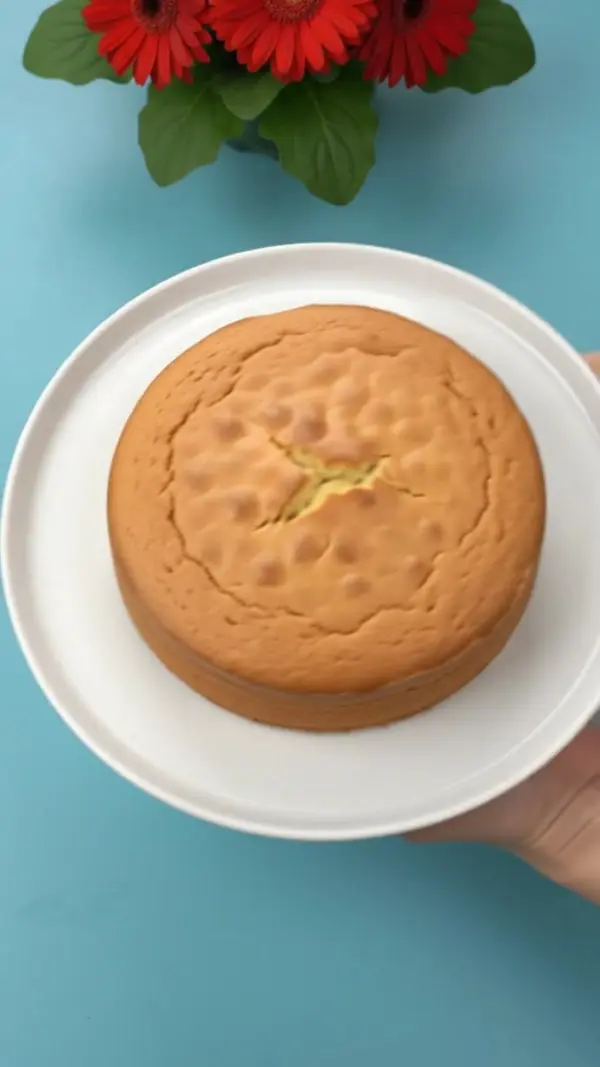
Step 6: Step 6: Check for doneness by inserting a toothpick into the center; it should come out clean or with just a few crumbs, and the top will be golden brown.
Step 7: Step 7: Remove the cake from the oven and let it sit in the pan for five minutes; this allows the crumb to set and prevents cracking.
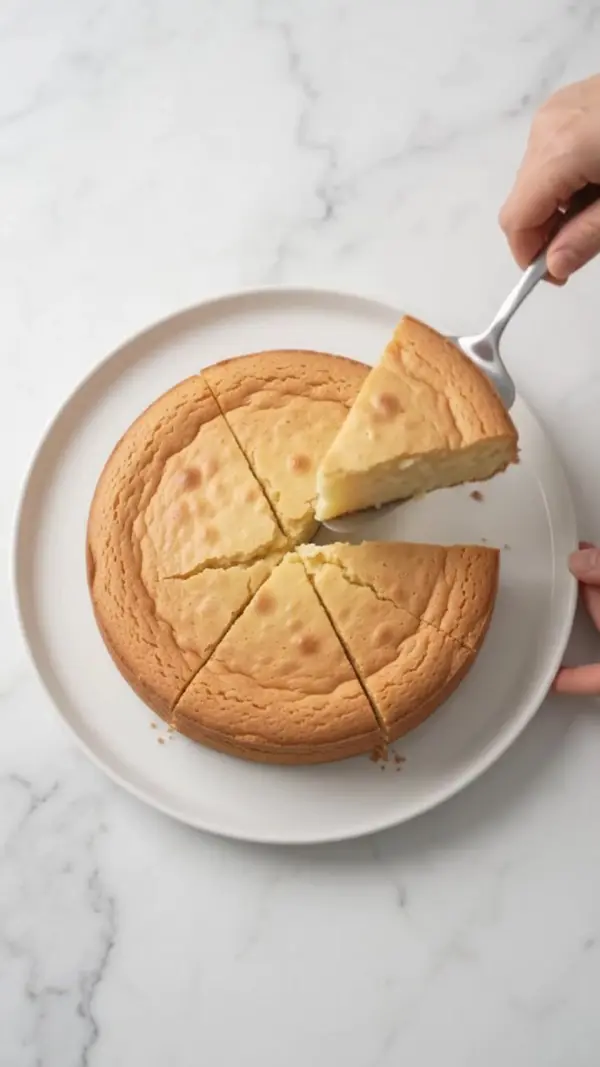
Step 8: Step 8: Transfer the cake onto a serving plate, let it cool completely, then cut into wedges and serve.
Common Mistakes and How to Fix Them
Undermixed batter leaves pockets of flour, resulting in a gritty texture; whisk a little longer until the surface is uniformly smooth.
Over‑mixing develops gluten, making the cake tough; stop whisking as soon as the batter looks glossy and free of lumps.
Baking at too high a temperature causes the edges to brown before the center sets; always preheat to exactly 350°F (175°C) and avoid opening the oven early.
Using cold milk can stall the rise; let the milk sit at room temperature for 10 minutes before adding it to the bowl.
Not greasing the pan leads to sticking; a thin coating of oil or a quick spray ensures easy release.
Skipping the cool‑down period makes the cake crumble when sliced; let it rest in the pan for five minutes before moving it.
Swaps That Still Work
Whole‑wheat flour (1 cup) mixed with all‑purpose flour (0.5 cup) adds a nutty note while keeping the crumb tender.
Honey (¼ cup) in place of half the sugar adds subtle floral sweetness; reduce the milk by two tablespoons to balance moisture.
Almond milk can replace dairy milk for a mild nutty flavor; the cake stays moist because the oil supplies fat.
Vanilla extract (1 tsp) enhances the vanilla profile without altering the structure; add it with the wet ingredients.
Storing the Cake to Stay Moist
Store the cooled cake in an airtight container at room temperature for up to three days; the oil keeps it from drying out. For longer storage, wrap individual slices tightly in plastic wrap and freeze for up to two months. To reheat, microwave a slice for 15‑20 seconds or warm the whole cake in a 300°F (150°C) oven for ten minutes, which revives the golden crust.
Simple Ways to Dress Up Your Vanilla Slice
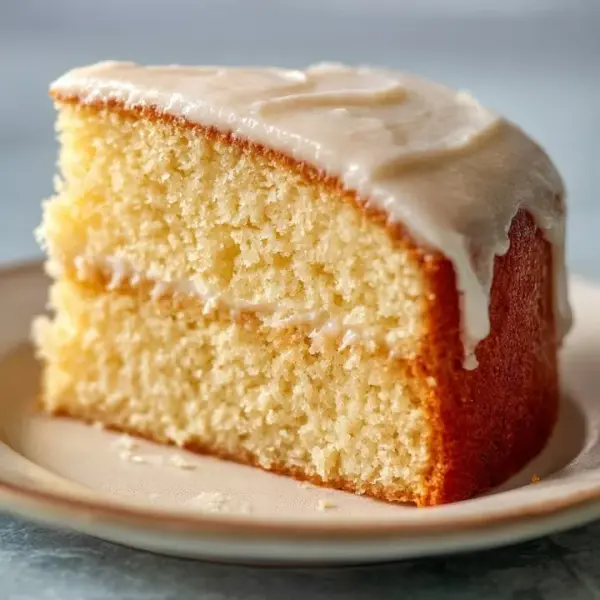
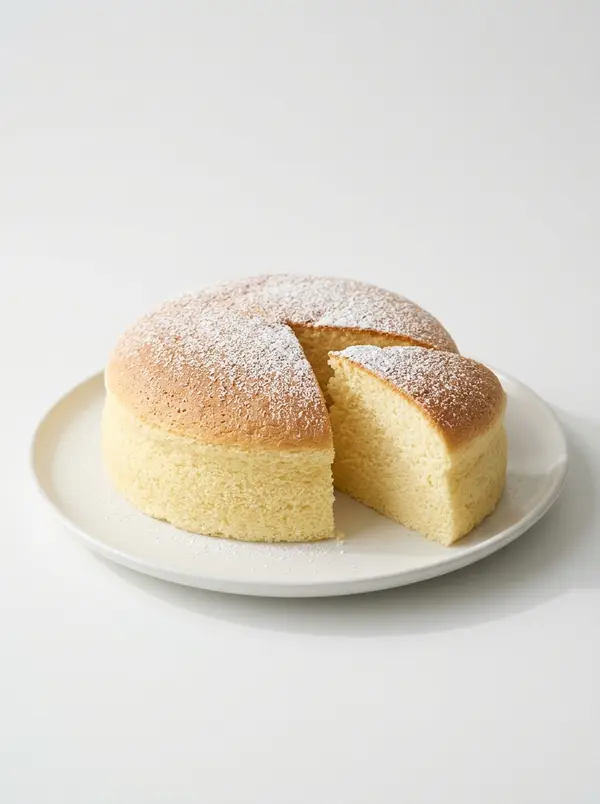
Serve the cake plain with a dusting of powdered sugar for a classic look, or pair it with fresh berries and a dollop of whipped cream for a light dessert. It also works well as a base for a simple frosting made from powdered sugar and milk, creating a quick glaze that sets in minutes. For a festive twist, drizzle caramel sauce over each wedge before plating.
Simple Vanilla Cake Questions
How long can I keep the cake at room temperature?
The cake stays fresh for three days when stored in a sealed container. Keep it away from direct sunlight and high humidity to maintain the tender crumb.
Can I use a different pan size?
A 9‑inch round pan yields the best texture, but a 9‑by‑13 inch rectangular pan works if you spread the batter thinly; just add two extra minutes to the bake time.
What if I don’t have a whisk?
A sturdy fork or a handheld electric mixer can substitute; the goal is a smooth, bubble‑free batter, so any tool that can incorporate the oil fully is acceptable.
Is it okay to add cocoa powder for a chocolate version?
Yes—replace two tablespoons of flour with unsweetened cocoa powder, and increase the sugar by two tablespoons to balance the bitterness. The batter will turn a deep brown and bake the same way.
How do I know when the cake is perfectly baked?
Look for a golden‑brown top, a firm edge, and a springy center when you gently press with a fingertip. A clean toothpick or a few moist crumbs also signal readiness.
Related Recipes
If you’re looking for a richer flavor, try our Golden Vanilla Cake. For an even quicker version, see The Easiest Vanilla Cake You’ll Ever Bake. Want a fun twist for parties? Pair this cake with a layer of Dirt Cake for a playful presentation.