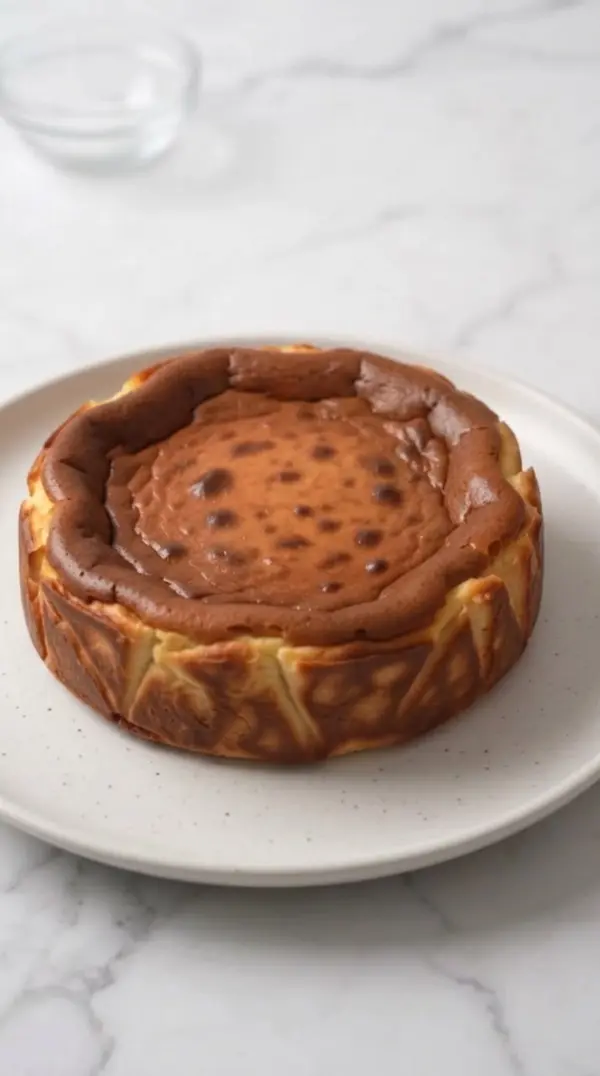
20-minute stov stov assembly steps
Step 1: Preheat the oven to 350°F (175°C) and line the bottom of the pan with parchment paper. This prevents sticking and makes removal easy.
Step 2: Pour 1 cup Greek yogurt into a large mixing bowl. The yogurt should be smooth; break up any lumps with a spoon before adding other ingredients.
Step 3: Crack 4 whole eggs directly into the bowl with the yogurt. Adding the eggs while the yogurt is still cool helps prevent premature cooking.
Step 4: Add 2 tablespoons vanilla extract. The vanilla will infuse the batter as it bakes, giving a fragrant background note.
Step 5: Whisk the mixture vigorously for about 30 seconds, until the batter turns a smooth, pale beige and no streaks of egg remain. The whisk should create a glossy surface.
Step 6: Pour the batter into the parchment‑lined pan, spreading it evenly with a spatula. Tap the pan lightly on the counter to release any air bubbles.
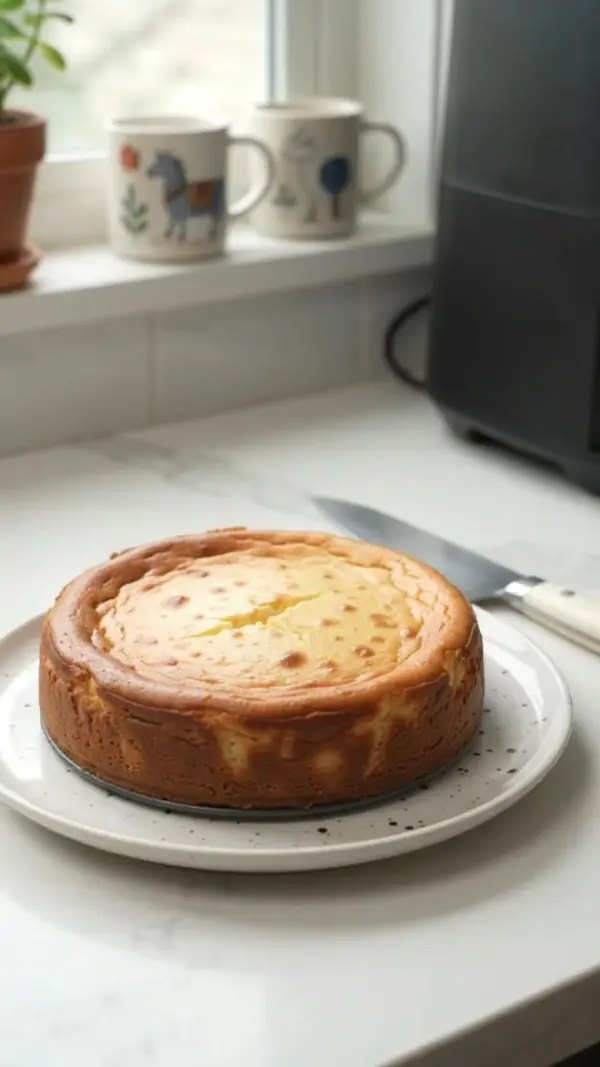
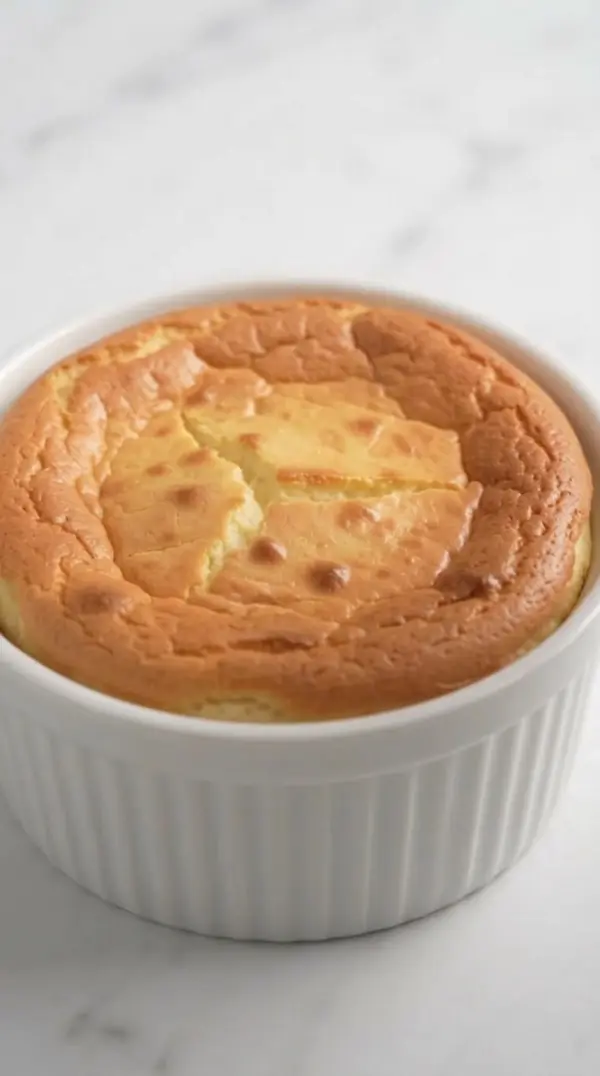
Step 7: Place the pan in the middle rack of the oven. Bake for 12‑15 minutes, watching for a golden brown top that forms a thin crust. The interior should still wobble slightly when the pan is nudged.
Step 8: Remove the cheesecake from the oven and let it cool in the pan for 10 minutes. This cooling period lets the center set without cracking.
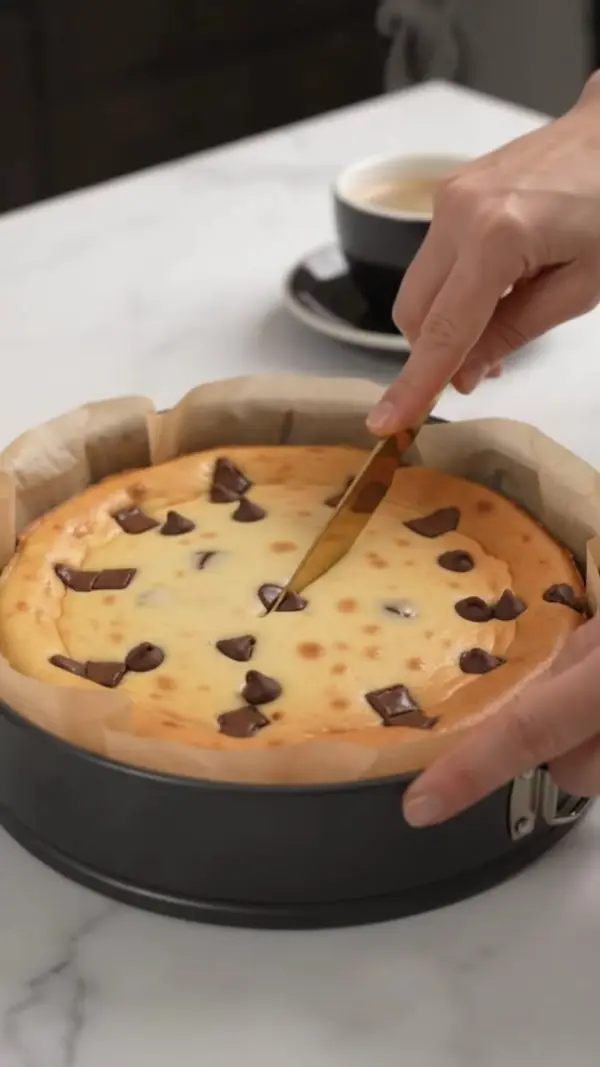
Step 9: Run a thin knife around the edge of the pan, then release the springform latch. Transfer the cheesecake to a serving plate.
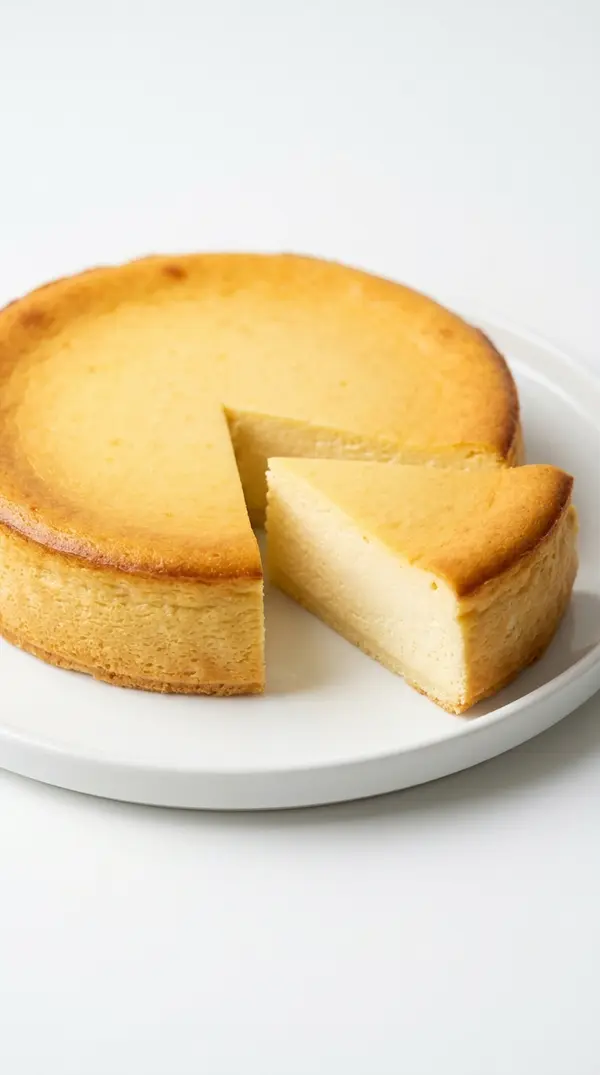
Step 10: After the cheesecake reaches room temperature, slice it into triangular wedges. Use a cake server to lift a slice and display the creamy interior, which should be smooth and slightly glossy.
Pitfalls and Solutions for This Cheesecake
Over‑baking creates a dry, crumbly texture; set a timer and check the color at the 12‑minute mark to avoid this.
Using low‑fat yogurt can cause a grainy mouthfeel; if this happens, blend the batter an extra 20 seconds to incorporate more air.
Cold eggs lead to curdling; bring eggs to room temperature or whisk them in a separate bowl before adding to yogurt.
Skipping parchment paper often results in sticking; gently warm the pan for a few seconds if the cake refuses to release.
Opening the oven door too early causes the top to deflate; trust the timer and only check through the oven window.
Cutting the cheesecake while warm makes wedges crumble; let it rest at least 10 minutes before slicing.
Swaps and Variations That Still Work
Replace vanilla extract with almond extract for a nutty twist; the flavor pairs well with sliced toasted almonds on top.
Stir in ¼ cup finely grated lemon zest before whisking for a bright citrus note that cuts through the richness.
Add a tablespoon of honey to the batter for subtle sweetness and a slightly caramelized crust.
Fold in 2 tablespoons of finely chopped dark chocolate chips after whisking; they melt into pockets of gooey chocolate during baking.
Keeping It Fresh
Store the cooled cheesecake, covered loosely with foil, in the refrigerator for up to three days. For longer storage, wrap individual wedges in plastic wrap and freeze; they retain texture for up to a month. To serve from frozen, let a slice thaw at room temperature for 20 minutes or warm briefly in a 300°F (150°C) oven for 5 minutes. The cheesecake reheats without losing its silky interior.
pairing suggestions for brunch or dessert
Serve each wedge on a small dessert plate with a drizzle of berry coulis or a spoonful of whipped cream. A dusting of powdered sugar adds a visual finish without altering flavor. Pair the cheesecake with a cup of black tea or a glass of chilled milk for a balanced after‑dinner treat.
Silky Whole Eggs Cheesecake Questions
How do I know when the cheesecake is perfectly baked?
Look for a golden top and a slightly wobbly center; the edges should be set while the middle still moves gently when the pan is nudged. This indicates a custard‑like interior that will finish setting as it cools.
Can I use a different pan size?
A 9‑inch springform pan yields the intended thickness. Using a larger pan will make the cake thinner and may dry out faster, while a smaller pan could cause overflow. Adjust baking time by 2‑3 minutes if you change the pan size.
Is it safe to substitute dairy‑free yogurt?
Yes, thick coconut cream or soy‑based Greek‑style yogurt can replace the dairy version. Expect a faint coconut or soy flavor, and the texture may be slightly less firm due to lower protein content.
What if I don’t have a springform pan?
A regular 9‑inch cake pan lined with parchment works, but you’ll need to run a thin knife around the edges before inverting the cake onto a plate. The sides may be less smooth, but the interior remains silky.
How long can I keep the cheesecake after slicing?
Covered in the refrigerator, sliced cheesecake stays fresh for three days. For longer storage, freeze individual wedges; they retain quality for up to a month and can be thawed as needed.
For more three‑ingredient desserts, check out the 3-Ingredient Cheesecake post. If you enjoy the texture of this bake, you might also like the Creamy Eggs: 2 Whole Eggs Cheesecake for a richer version.