
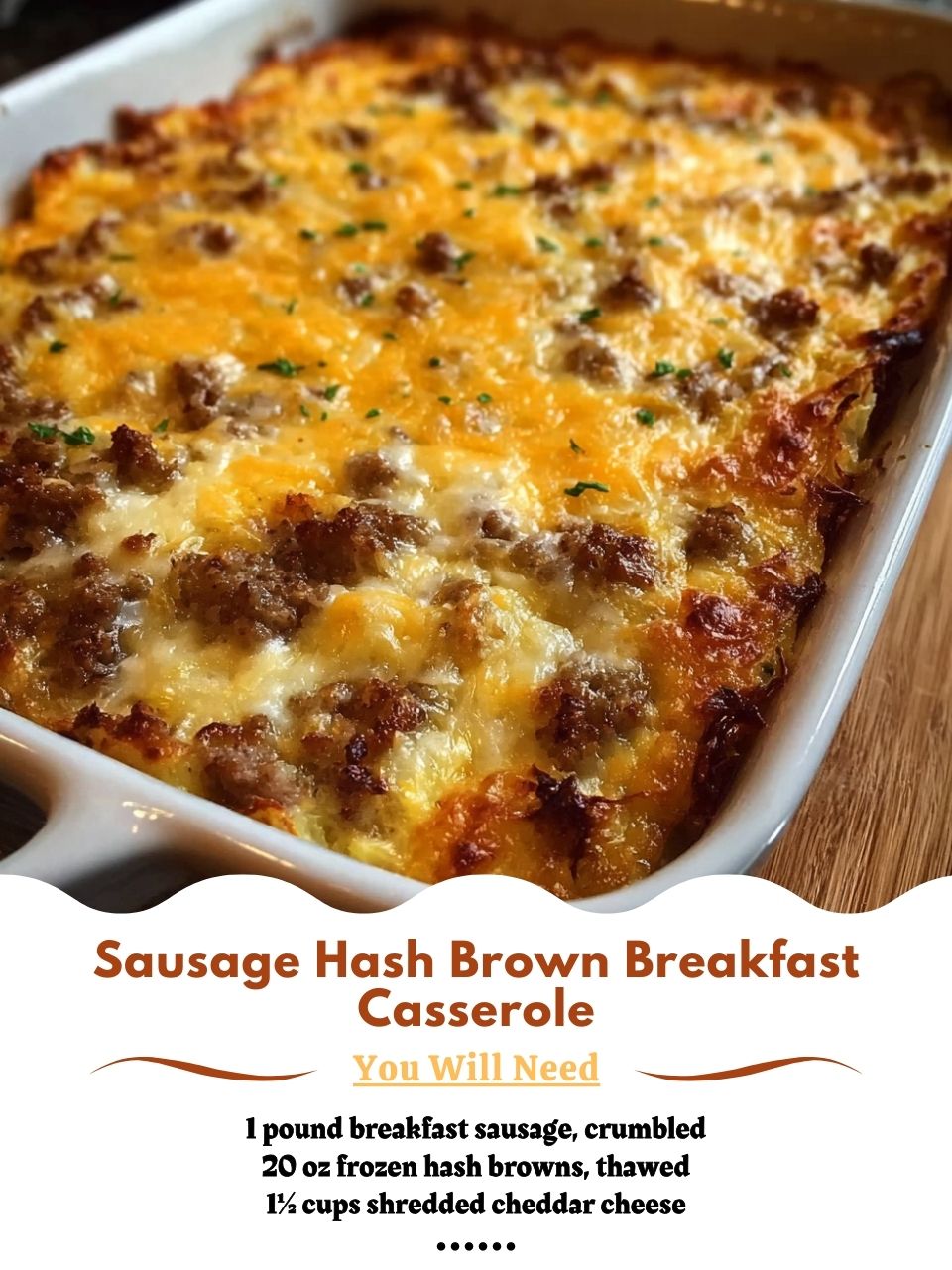
Overbaking is the enemy of tenderness. The casserole is done when the center is just set and the top is golden. If you bake it until it’s completely firm and dry in the center, the eggs will become tough. Remember, it will continue to cook as it rests. Pull it when there’s still a faint, gentle jiggle in the very center.
Serving Suggestions
I love serving this casserole right from the dish at the table, letting everyone scoop out their own generous portion. It’s hearty enough to stand alone, but I always offer a few classic sides. A platter of fresh fruit like melon, berries, and grapes adds a sweet, juicy, and colorful contrast that cuts through the richness beautifully. It’s also a great way to make the meal feel complete and balanced.
For a truly classic brunch spread, I serve it alongside a basket of warm, flaky biscuits or buttery toast, and a pot of fruit preserves. This gives guests the option to make a little breakfast sandwich or just enjoy the carbs on the side. A pitcher of simple, fresh-squeezed orange juice or a carafe of coffee is absolutely essential for the full experience.
If I’m serving a crowd for a holiday, I’ll set up a “breakfast bar” with smaller dishes of toppings. Think hot sauce, salsa, sour cream, sliced avocado, or chopped fresh herbs like chives or parsley. This lets everyone customize their plate and adds a fresh, interactive element to the meal.
For a lighter accompaniment, a simple green salad with a bright lemon vinaigrette served on the side might seem unusual for breakfast, but it’s incredibly refreshing. The acidity and crisp greens provide a perfect palate cleanser between bites of the rich, savory casserole.
Variations & Customizations
This recipe is a fantastic canvas. Don’t eat pork? Swap the breakfast sausage for ground turkey or chicken sausage. For a vegetarian version, sauté a mix of mushrooms, spinach, and diced bell peppers until tender and use that as your savory layer. You could even add a cup of cooked, crumbled vegetarian “sausage” crumbles.
Change up the cheese! While sharp cheddar is a classic, Pepper Jack adds a wonderful kick, Swiss or Gruyère offer a more sophisticated, nutty flavor, and a Monterey Jack blend is always creamy and mild. I sometimes do a mix of cheddar and mozzarella for maximum gooeyness.
Add different vegetables. Diced, sautéed mushrooms, chopped spinach (thawed and squeezed dry), sun-dried tomatoes, or even broccoli florets (steamed first) are fantastic additions. Just make sure any veggies are cooked and moisture is squeezed out so they don’t water down the custard.
For a different potato texture, you can use frozen cubed potatoes O’Brien (which already have onions and peppers) instead of shredded hash browns. For a gluten-free option, this is naturally perfect—just check your sausage labels to ensure no fillers. You can also make it richer by using half-and-half instead of milk, or lighter by using 2% milk and reduced-fat cheese.
How to Store, Freeze & Reheat
Leftovers store beautifully. Once completely cooled, cover the baking dish tightly with plastic wrap or transfer portions to airtight containers. It will keep in the refrigerator for 3-4 days. The flavors actually meld and improve after a day. Reheating is easy: cover a portion with a damp paper towel and microwave for 60-90 seconds, or reheat in a 350°F oven (covered with foil) for 15-20 minutes until warmed through.
You can assemble the entire casserole ahead of time—a huge time-saver for mornings. Complete all the steps up to pouring the custard over the layers. Cover the unbaked dish tightly with plastic wrap and refrigerate overnight (up to 24 hours). In the morning, let it sit on the counter while the oven preheats, then bake as directed, adding 5-10 minutes to the covered baking time since it’s starting cold.
To freeze, I recommend freezing it after baking and cooling. Cut the casserole into individual portions, wrap each tightly in plastic wrap, and then place them in a freezer bag. They will keep for up to 2 months. This is perfect for quick weekday breakfasts. You can also freeze the whole baked casserole, wrapped tightly in multiple layers.
To reheat from frozen, thaw overnight in the fridge first, then reheat as above. For a single frozen portion, you can microwave it directly from frozen for 2-3 minutes, flipping halfway, until heated through. The texture is best when reheated gently to prevent the eggs from becoming rubbery.
Nutrition Information
Let’s look at this dish with a balanced, realistic lens. This casserole is a hearty, energy-dense meal designed to fill you up and keep you satisfied. It provides a substantial amount of high-quality protein from the eggs, sausage, and cheese, which is great for starting your day. The hash browns offer complex carbohydrates for lasting energy.
It is also rich in fats, primarily from the sausage, cheese, and dairy. These contribute to the satisfying, comforting nature of the dish and help with nutrient absorption. You can make mindful adjustments, like using turkey sausage, reduced-fat cheese, and low-fat milk, but these will alter the classic, rich texture and flavor.
Portion size is helpful to consider. Because it’s so filling, a modest square (about a 3×3 inch portion) is often enough, especially when paired with fruit or a lighter side. It’s a meal that celebrates sustenance and comfort, perfect for active days or leisurely weekend mornings.
In my kitchen, this casserole represents more than macros; it’s about nourishment that includes joy, togetherness, and the comfort of a homemade meal shared with loved ones. It’s a worthwhile part of a varied diet that values both nutrition and the pleasure of eating.
FAQ Section
Can I use fresh potatoes instead of frozen hash browns?
You can, but it’s more work. You’d need to shred 2-3 large russet potatoes, then rinse and squeeze them very dry in a clean kitchen towel to remove the excess starch and moisture. The frozen ones are par-cooked and dried, making them more reliable for the right texture. For ease and consistency, I stick with the frozen, thawed shreds.
My casserole turned out watery. What happened?
This is almost always due to using frozen hash browns that weren’t fully thawed/dried, or adding watery vegetables (like fresh tomatoes or spinach) without cooking and squeezing them first. Ensure your potatoes are thawed and pat them with a paper towel if they seem damp. Always sauté veggies and drain any liquid before adding.
Can I make this without eggs?
The eggs are essential as the binding agent that sets the casserole. There’s no direct substitute that will provide the same structure and texture. For an egg-free breakfast bake, you’d be looking at a completely different recipe, like a potato and sausage gratin bound with a flour-based sauce.
Conclusion
This Sausage Hash Brown Breakfast Casserole is more than just a recipe in my home—it’s a tradition. It’s the smell of weekend mornings, the centerpiece of holiday gatherings, and my most reliable tool for turning an ordinary day into something a little special with minimal effort. I love how it brings people together around the table and how its delicious simplicity never fails to satisfy. I hope this recipe finds its way into your kitchen and becomes a cherished, go-to dish for your own family’s sleepy mornings and joyful celebrations. Now, go preheat that oven and get ready for the best part of waking up.