
Another early mistake was rolling the truffles with warm hands. The ganache is essentially rich chocolate butter, and it melts on contact with body heat. I ended up with sticky, misshapen blobs instead of neat spheres. Now, I wash my hands in cold water and dry them thoroughly before I start rolling, and I keep that ice water bowl nearby. If the ganache starts to stick, I just dip my fingers in the cold water, dry them, and keep going. It makes the process clean and simple.
Don’t skip the second freeze before dipping. I tried dipping room-temperature ganache balls once, and it was a disaster. They slumped, lost their shape, and created a thick, uneven coating. That 30-minute freeze is non-negotiable. It firms up the exterior just enough so the warm coating chocolate sets quickly around it, creating that perfect, thin shell and preserving the distinct layers of texture.
Finally, avoid storing truffles in an airtight container while they are still the slightest bit warm. Trapped warmth leads to condensation, which can cause the chocolate coating to develop a blotchy, white “bloom” (harmless but unattractive). I always let my finished truffles set completely at cool room temperature for an hour before transferring them to a container. This keeps their beautiful, glossy appearance intact.
Serving Suggestions
I love presenting these truffles in miniature paper candy cups arranged in a beautiful box or on a elegant ceramic platter. They look so professional this way. For a special touch, I might place them in a gift box lined with tissue paper or in a clear glass jar tied with a ribbon. They make the most thoughtful and impressive homemade gift for teachers, neighbors, or hostesses, especially during the holidays.
For a fancy dessert platter, I like to serve a couple of truffles alongside a small glass of dessert wine, a rich port, or a strong cup of espresso. The contrast between the sweet, fruity chocolate and the bitter, aromatic drink is absolutely divine and turns a simple after-dinner treat into a sophisticated culinary experience. It’s a wonderful way to end a special meal.
During the holidays, I incorporate them into my cookie trays for a pop of elegance. Nestled among cookies and brownies, these truffles elevate the entire spread. I sometimes even set up a small “truffle bar” with different coatings—some rolled in cocoa powder, some in powdered sugar, some in crushed nuts—and let guests pick their favorite. It’s always a hit.
Variations & Customizations
This recipe is a wonderful base for experimentation. For an “Orange Raspberry” twist, I’ve added a teaspoon of orange zest to the warm ganache and rolled the finished truffles in a mix of cocoa powder and finely grated orange zest. The citrus brightens the raspberry flavor beautifully. You could also use a different jam altogether—a sharp blackberry or cherry jam works spectacularly well.
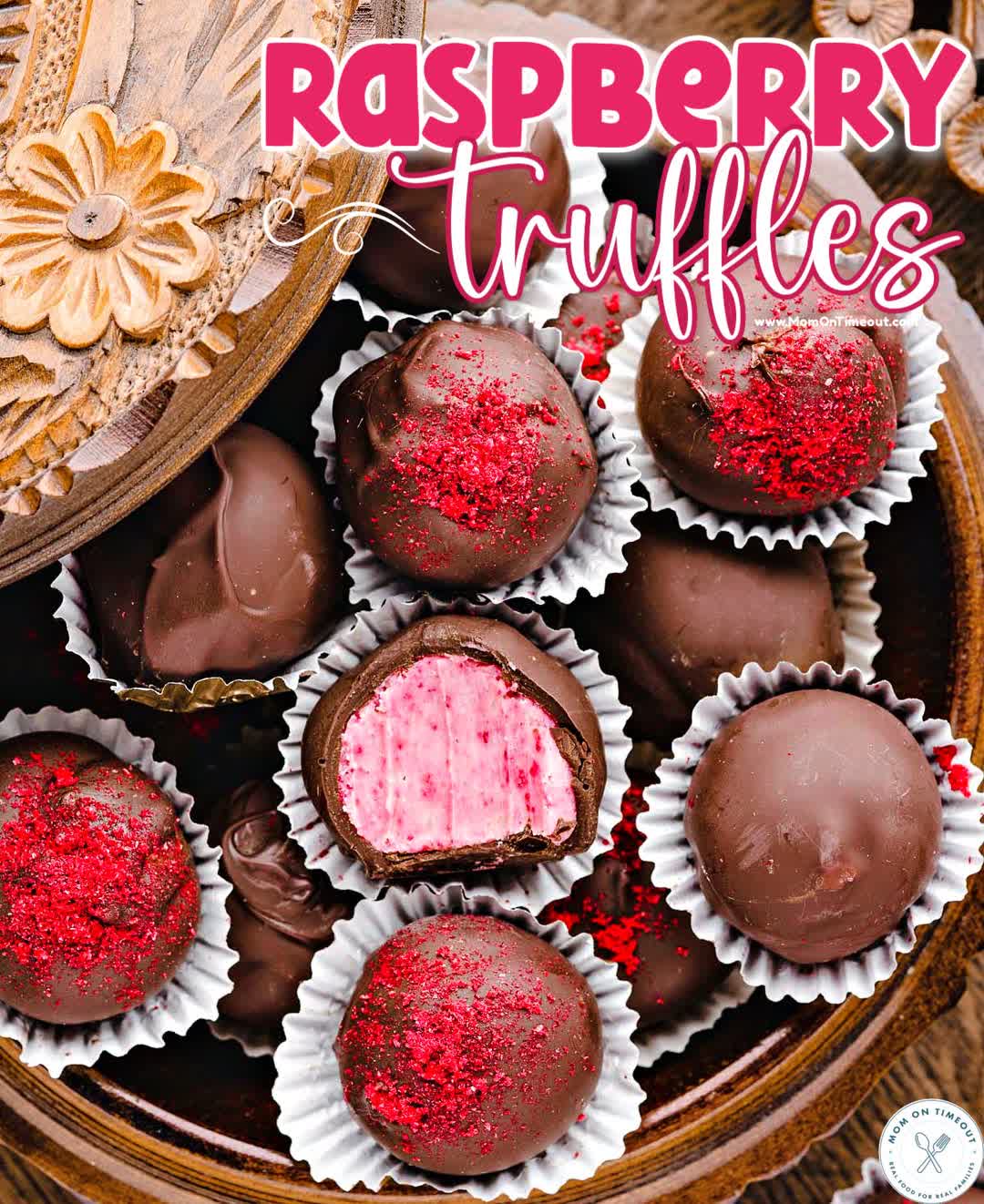
For a different coating, skip the extra chocolate dip. Simply roll the set ganache balls in high-quality unsweetened cocoa powder, powdered sugar, or finely chopped toasted nuts like pistachios or almonds. I’m particularly fond of rolling them in a blend of crushed freeze-dried raspberries and a little sanding sugar for an intense berry flavor and a gorgeous, jewel-like pink finish that hints at the flavor inside.
If you love a flavor combination, try adding a liqueur. After mixing the jam into the ganache, you can stir in a teaspoon of Chambord (raspberry liqueur), framboise, or even a little Grand Marnier for depth. Just be mindful that adding more liquid can soften the ganache, so you may need to chill it a bit longer. Start with a small amount and adjust to your taste.
How to Store, Freeze & Reheat
Storing these truffles properly is key. They keep best in a single layer in an airtight container in the refrigerator. The cool temperature keeps the ganache firm and the coating snappy. Stored this way, they will be at their peak for up to two weeks. Bring them to room temperature for about 15 minutes before serving for the best flavor and texture.
For longer storage, these truffles freeze beautifully—a lifesaver for holiday prep. I place the finished, set truffles in a single layer on a baking sheet to freeze solid, then transfer them to a heavy-duty freezer bag or container with parchment between layers. They can be frozen for up to 3 months. This method preserves their texture and flavor perfectly.
There’s no need to reheat truffles. To serve after freezing, I simply transfer the desired number from the freezer to the refrigerator to thaw overnight, or let them sit at room temperature for about 30 minutes. They should never be microwaved, as this will destroy their delicate structure and melt the coatings. The slow thaw is the only way to preserve their perfect, creamy interior.
Conclusion
These Raspberry Truffles are more than just a candy; they are a tiny, handcrafted celebration of flavor and texture. The process of making them is as rewarding as sharing them, filling your kitchen with wonderful scents and your heart with the pride of creating something truly beautiful. I hope this recipe inspires you to don an apron, melt some chocolate, and experience the joy of making—and eating—these little bites of bliss. Happy truffle making