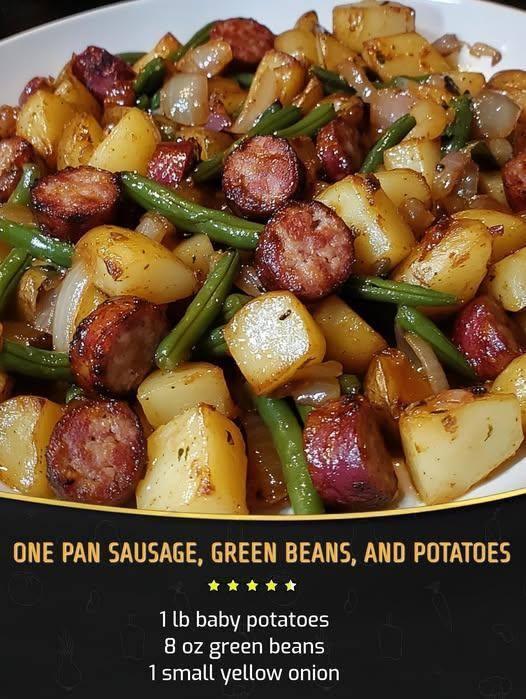
When you pull the pan out, the sights and sounds are everything. The potatoes will be fork-tender with crispy edges, the onions will be sweet and caramelized, and the kitchen will smell incredible. I always give it a final taste and adjust the seasoning with a little more salt or pepper if needed. Let it rest for just a couple of minutes before serving—this allows the flavors to settle and makes it easier to handle.
Pro Tips for Best Results
Cut your potatoes uniformly. I’ve tried halving, quartering, and leaving tiny ones whole, and the uneven cooking drove me crazy. Aim for pieces that are all about 1 to 1.5 inches in size. This guarantees that every potato piece is perfectly cooked through and crisped at the same time.
Don’t add the garlic at the beginning if you’re using minced fresh garlic. I learned this the hard way. If you mix it in with the raw ingredients, it can burn in the hot oven and turn bitter. Instead, I now add it with the oil and spices, which provides just enough protection. For an even safer, more mellow flavor, you can add whole, peeled garlic cloves that will roast and sweeten.
Resist the urge to stir too often. Let the oven do its work! That initial 20-25 minute undisturbed roast is what creates those delicious, crispy, browned bits on the potatoes and sausage. Constant stirring will lower the pan temperature and prevent that crucial Maillard reaction, which is where the flavor truly develops.
Common Mistakes to Avoid
My first attempt failed because I used a glass baking dish instead of a rimmed sheet pan. The sides of the dish trapped steam, and my “roasted” veggies came out soggy and steamed. Don’t do what I did. A large, rimmed metal sheet pan is essential for allowing moisture to evaporate and for promoting even browning and crisping.
Underseasoning is a silent killer for this dish. Potatoes are like flavor sponges and need a good amount of salt. Be generous with your seasoning in the bowl, and don’t forget to do a final taste at the end. I always under-salted my first few tries, and the dish tasted bland no matter how good it looked.
Overcrowding the pan, as I mentioned, is the biggest obstacle to texture. If you pile everything on top of each other, you’re essentially creating a vegetable sauna. The food will steam in its own released moisture. Spreading it out is the difference between a soft, steamed mess and a gloriously crispy, roasted meal.(See the next page below to continue…)