
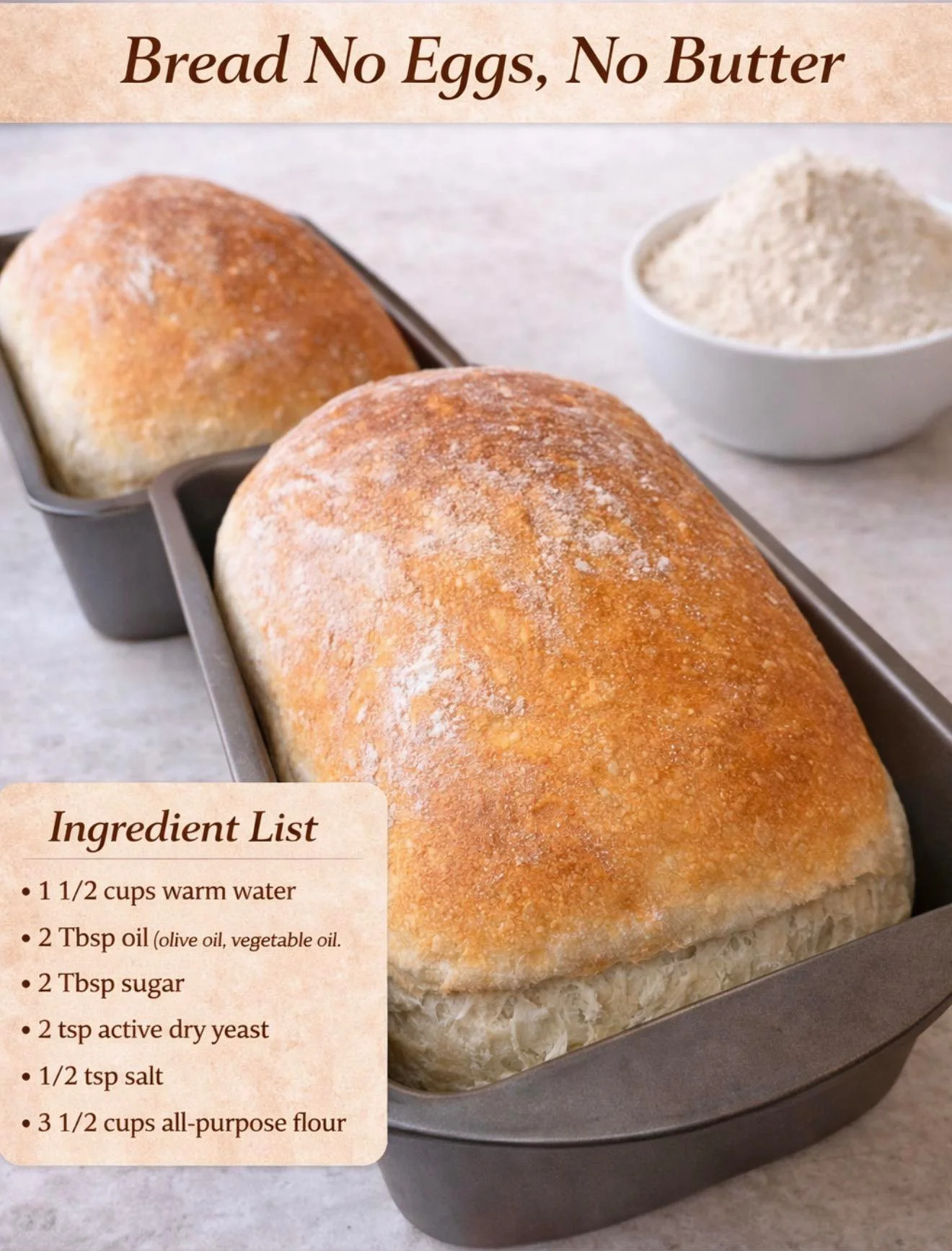
After your dough has risen and doubled in size, it will be time for some fun! Generously flour a clean surface and turn out the dough. It should be sticky and bubbly; don’t be alarmed—it’s doing exactly what it’s supposed to do! With floured hands, gently shape it into a ball by folding the edges into the center. Let it rest for 15 to 30 minutes before you move onto the next step. This resting is essential for setting the shape, and I promise you’ll appreciate the results.
While the dough is resting, preheat your oven to 450°F (232°C) along with your cast iron pot or Dutch oven. This preheating is crucial as it creates a steamy environment for the bread to rise further while baking, ultimately leading to a beautiful crust. Once heated, carefully remove the pot from the oven, and if you’re using parchment paper, lower the dough onto it. Cover it with the lid and bake for about 30 minutes. After this time, remove the lid and bake for an additional 15 to 20 minutes until the top is golden brown. The anticipation of that gorgeous golden loaf is simply exhilarating!
Pro Tips for Best Results
I tested this recipe with different types of flour, and I found that all-purpose flour gives the best results for texture and flavor. However, if you want a heartier loaf, try adding whole wheat flour to the mix—just replace about a cup of all-purpose flour for whole wheat. It’s a nice way to add depth to your bread!
Hydration is key in a no-knead bread recipe, and I’ve found that the dough should be slightly wetter than you might imagine. If it feels a little too sticky after the initial mix, that’s perfectly okay! When you handle it with floured hands later, it will come together beautifully.
Lastly, don’t rush the process! Patience is your best friend. The longer rise time helps develop flavor and texture, and the slow fermentation is what gives this bread its characteristic tang. Make it a part of your weekend routine, and you’ll find it’s a relaxing and rewarding experience.
Common Mistakes to Avoid
One mistake I made early on was not allowing the dough to rise long enough. Trust me; it’s worth the wait! If you’re impatient and cut the rising time short, your bread will be dense and won’t have those lovely air pockets—definitely not the outcome we want! A long rise not only gives better texture but also enhances flavor. (See the next page below to continue…)
Another common pitfall is underestimating how hot your Dutch oven needs to be. If it’s not hot enough when you put the dough in, you won’t get that necessary initial burst of steam to help the crust develop. Preheat that pot like it’s your best friend coming to dinner!
Finally, don’t forget to use enough flour when shaping your dough. The stickiness is part of the magic, but it can also lead to frustration if you’re not careful. A light dusting of flour on your work surface and on your hands helps maintain the dough’s structure without risking a dramatic tear or collapse.