
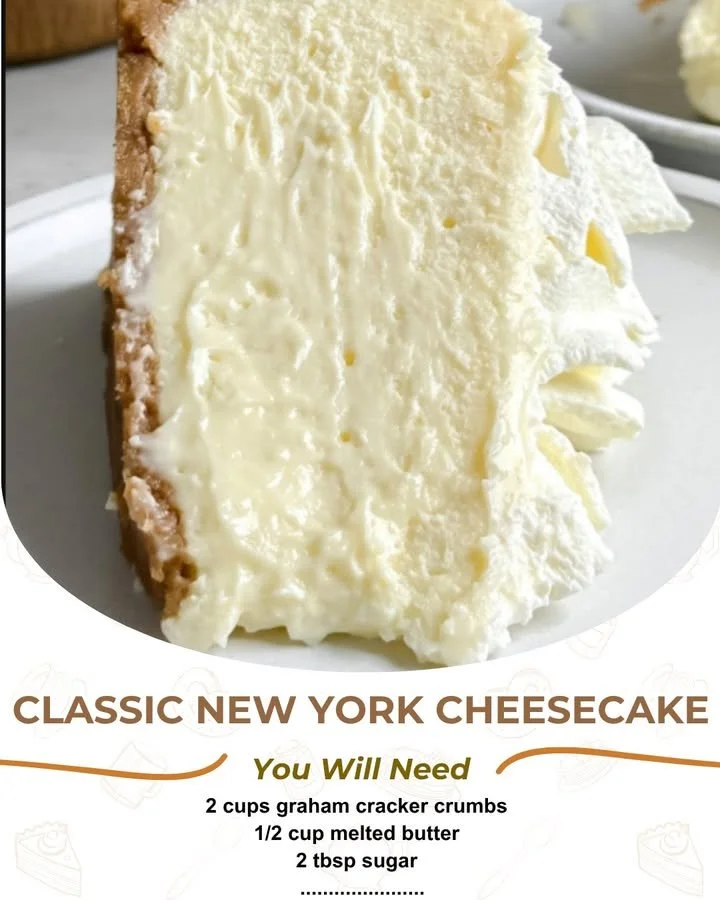
Next, I whip the cream cheese in a large bowl until it’s nice and fluffy, mixing in the sugar until well combined. Then, I add the eggs one at a time, ensuring everything is blended smoothly after each addition. This is the part where I really pay attention to the texture; it should be completely creamy without any lumps. After the eggs are incorporated, I gently mix in the sour cream, vanilla extract, flour, and lemon juice, bringing all the flavors together into a luscious filling that smells heavenly.
Pouring the cheesecake filling over the prepared crust is one of those moments I just love. I smooth the top with a spatula, getting it as even as possible. The next step is crucial: I place the springform pan into a larger roasting pan and fill the outer pan with hot water until it reaches about halfway up the sides. This water bath helps create a gentle baking environment, which prevents cracks in the cheesecake. I bake it for about 55-65 minutes until the edges are set but the center still has a slight jiggle.
Once the baking time is up, I turn off the oven and crack the door open, allowing the cheesecake to cool inside for an hour. This step, I find, reduces the chances of cracking as it gently cools. After the hour is up, I take it out and let it rest on the counter for another hour. Then, I chill it in the refrigerator for at least 4 hours, ideally overnight, because letting it set longer only enhances the flavors.
Pro Tips for Best Results
One golden rule I’ve learned is to ensure your cream cheese is completely softened before you start mixing. I usually take it out of the fridge at least an hour before I begin; this makes blending so much easier and gives a smooth texture in the end. I actually tried mixing cold cream cheese once, and let me tell you, it just resulted in a lumpy mess!
Another favorite tip of mine is to bake the cheesecake in a water bath. It might seem like an extra step, but trust me, it’s worth it. I noticed a huge difference in the final product when I started using this method. The cheesecake comes out creamier and without the awful cracks that can ruin its perfect appearance.
Lastly, if you’re like me and enjoy a subtly flavored cheesecake, don’t skip the lemon juice. Just a tablespoon or two really brings out the richness of the cream cheese and counters the sweetness beautifully. I even tried a batch without it once, and let me tell you, it was noticeably different!
Common Mistakes to Avoid
One common mistake I see is overmixing the batter. I made this error in my early attempts; I got a little too excited and whisked it for too long. The cheesecake ended up having a slightly grainy texture, which was disappointing. I learned that mixing just until combined makes a huge difference, and using a lower speed with an electric mixer can help control this, too. (See the next page below to continue…)

