Method: From Dough to Crinkled Perfection
Step 1: Step 1: Scoop the lemon dough into 1‑inch balls using a standard cookie scoop. The dough should hold its shape without cracking.
Step 2: Step 2: Place the granulated sugar in a shallow bowl. Roll each dough ball in the sugar until the surface is lightly dusted; this thin layer helps the powdered sugar stick later.
Step 3: Step 3: Transfer the lightly sugared balls to a second bowl filled with powdered sugar. Toss them until they are heavily coated; the powder should cling like a soft blanket.
Step 4: Step 4: Line a baking sheet with parchment paper. Arrange the coated balls on the sheet, leaving about 2 inches between each to allow spreading.
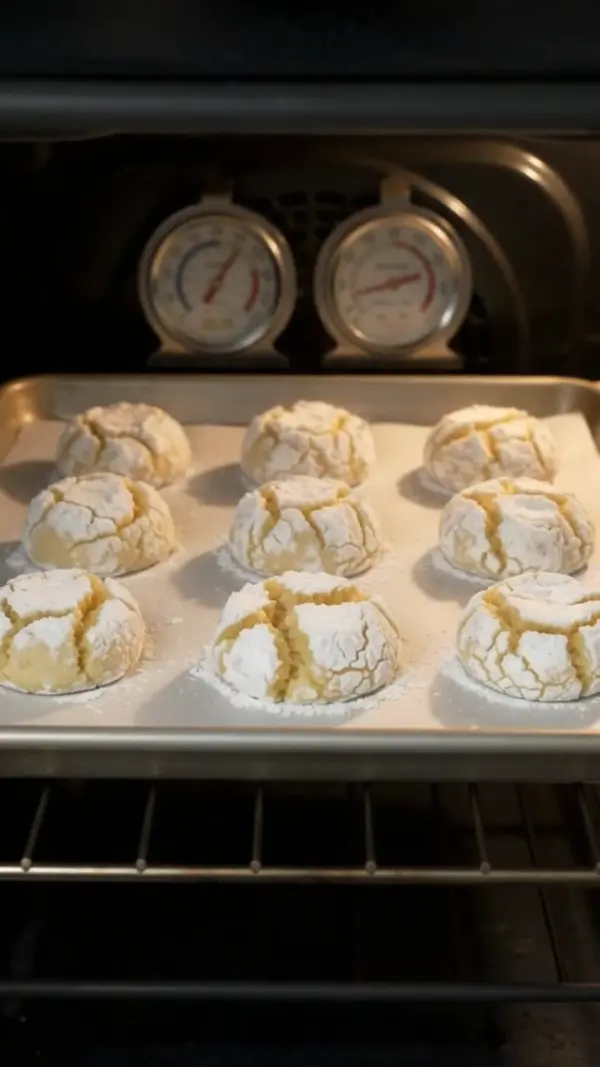
Step 5: Step 5: Preheat the oven to 350°F (175°C). Once hot, place the sheet in the middle rack.
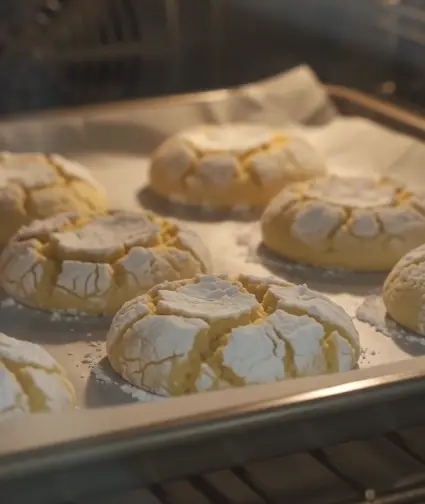
Step 6: Step 6: Bake for 10 minutes. Watch for the tops to lift and crack, creating a crinkled pattern while the edges stay pale.
Step 7: Step 7: Remove the tray and let the cookies rest on the sheet for 2 minutes; they will firm up slightly but remain soft inside.
Step 8: Step 8: Transfer the cookies to a wire rack to cool completely. This prevents steam from making the bottoms soggy.
Common Mistakes and How to Fix Them
Cookies spread too thin: Chill the dough balls for 10 minutes before coating; colder dough spreads less.
Powdered sugar clumps on the tray: Sift the powder again before coating, and tap excess sugar off each ball before baking.
Cracks don’t form: Increase the oven temperature by 15 °F or bake a minute longer; the exterior needs a hotter burst to crack.
Cookies stick to parchment: Lightly spray the parchment with non‑stick cooking spray after the powdered sugar coat.
Uneven color: Rotate the baking sheet halfway through the 10‑minute bake to ensure even heat exposure.
Hard interior: Do not overbake; pull a cookie at 9 minutes if your oven runs hot, and let it finish setting off the heat.
Swaps and Add‑Ons That Still Work
Add orange zest: Replace half of the lemon dough with orange‑flavored dough for a citrus blend.
Mix in white chocolate chips: Fold ½ cup chips into the dough before scooping for pockets of melt‑in‑your‑mouth sweetness.
Use coconut sugar: Swap the granulated sugar for coconut sugar for a deeper caramel note.
Gluten‑free version: Substitute the lemon dough with a gluten‑free butter‑based dough, keeping the same coating steps.
Storing Your Lemon Crinkles
Let the cookies cool completely, then store them in an airtight container at room temperature. They stay soft for up to four days. For longer storage, freeze the baked cookies in a single layer on a tray, then transfer to a zip‑top bag; they reheat well in a 300°F (150°C) oven for 5 minutes.
How to Plate Lemon Crinkles for Guests
Serve these lemon crinkles with a cup of tea or a glass of cold milk for a quick snack. They also pair nicely beside a slice of pound cake topped with fresh berries, letting the citrus cut through the richness.
Lemon Crinkle Cookies Questions
How do I know when the cookies are done?
The tops should lift and show a network of cracks while the edges stay pale. A gentle press on the edge should spring back slightly, indicating a soft interior.
Can I use a different size scoop?
Yes, but keep the size consistent. Larger balls will need an extra minute of baking; smaller ones may bake in eight minutes. Uniform size guarantees even spreading.
What if I don’t have powdered sugar?
You can make your own by processing granulated sugar in a blender for a few seconds, then sifting. The texture won’t be as fine, but it still creates a thick coating.
Is it okay to bake on a silicone mat instead of parchment?
A silicone mat works, but it can cause the powdered sugar to melt into the surface, reducing the crisp crackle. Parchment gives a cleaner release.
Will the cookies stay soft after reheating?
Reheat briefly at 300°F (150°C) for 3–5 minutes. The interior will regain its tender texture while the exterior stays lightly crisp.
Keeping It Fresh and Ready
After cooling, store the cookies in a sealed container at room temperature. The airtight environment keeps the sugar coating from absorbing moisture, preserving the crisp exterior. If you need to prep ahead, bake a full batch, let it cool, then freeze in a zip‑top bag. When you’re ready to serve, simply bake straight from frozen at 350°F (175°C) for 12 minutes; the extra time ensures the interior thaws and the exterior re‑crackles.
Perfect Pairings for Lemon Crinkle Cookies
These cookies shine as a standalone snack, but they also complement a bright fruit salad or a dollop of whipped cream flavored with a splash of lemon juice. Serve them alongside a warm mug of herbal tea for a soothing afternoon break, or pair with a chilled glass of sparkling water for a light, refreshing treat.
###FAQ for Lemon Crinkle Cookies
How do I prevent the powdered sugar from melting into the cookie?
Make sure the dough balls are fully coated and tap off excess powder before baking. A light dusting, not a thick slurry, keeps the sugar from liquefying under the heat.
Can I use a different oven temperature?
If you prefer a softer center, lower the temperature to 325°F (165°C) and add an extra minute of bake time. The crust will still crack, but the interior stays extra tender.
What’s the best way to re‑crisp a softened cookie?
Place the cookie on a baking sheet and bake at 350°F (175°C) for 3–4 minutes. The heat revives the sugary crust without drying the interior.
Is it okay to use brown sugar instead of granulated?
Brown sugar adds moisture and can make the coating stickier, reducing the crisp crackle. Stick with granulated for the classic texture.
How do I make the cookies more lemony?
Add a teaspoon of lemon zest to the dough before scooping, or brush a thin lemon glaze on cooled cookies for an extra punch.