Method – Step‑by‑Step
Step 1: Step 1: Crack the three eggs into a medium bowl and pour in the 200 ml of milk. Whisk together until the mixture is uniform and a faint froth forms, about 30 seconds.
Step 2: Step 2: Sprinkle the 100 g of sugar over the egg‑milk blend, then sift the 100 g of flour on top. Drizzle the 30 g of melted butter around the edges of the bowl.
Step 3: Step 3: Using a handheld whisk, blend the ingredients for 2–3 minutes. The batter should become glossy, with no lumps, and a thin ribbon should form when the whisk is lifted.
Step 4: Step 4: Line a 8‑inch square baking pan with parchment paper, allowing the paper to hang over the sides for easy removal. Pour the batter into the pan, smoothing the top with a spatula.
Step 5: Step 5: Place the pan in a preheated oven set to 320°F (160°C). Bake for 30–35 minutes, rotating the pan halfway through to promote even browning. The cake is done when the edges turn a light golden brown and a toothpick inserted in the center springs back with only a few moist crumbs.
Step 6: Step 6: Remove the pan from the oven and let the cake rest for 5 minutes. Gently lift the parchment over the cake and transfer it to a cooling rack.
Step 7: Step 7: Allow the cake to cool completely, about 15 minutes, before slicing. This resting period lets the crumb set and prevents tearing.
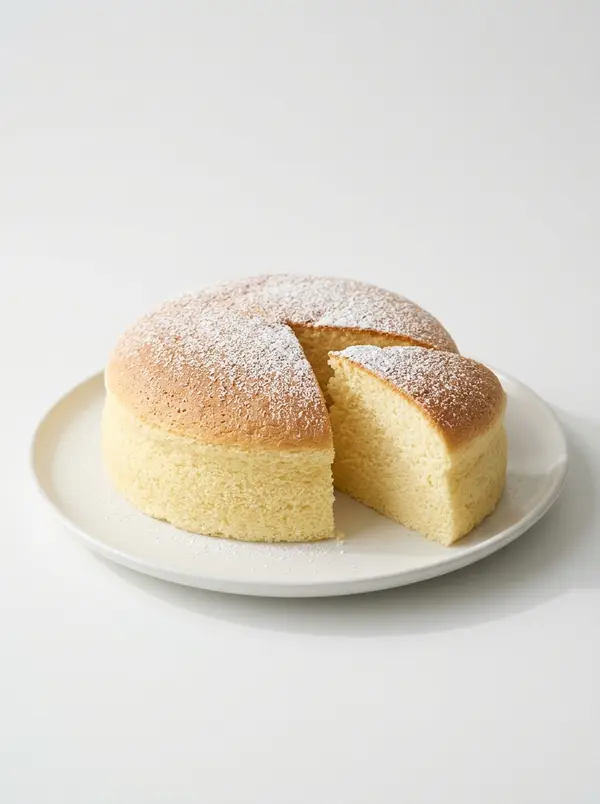
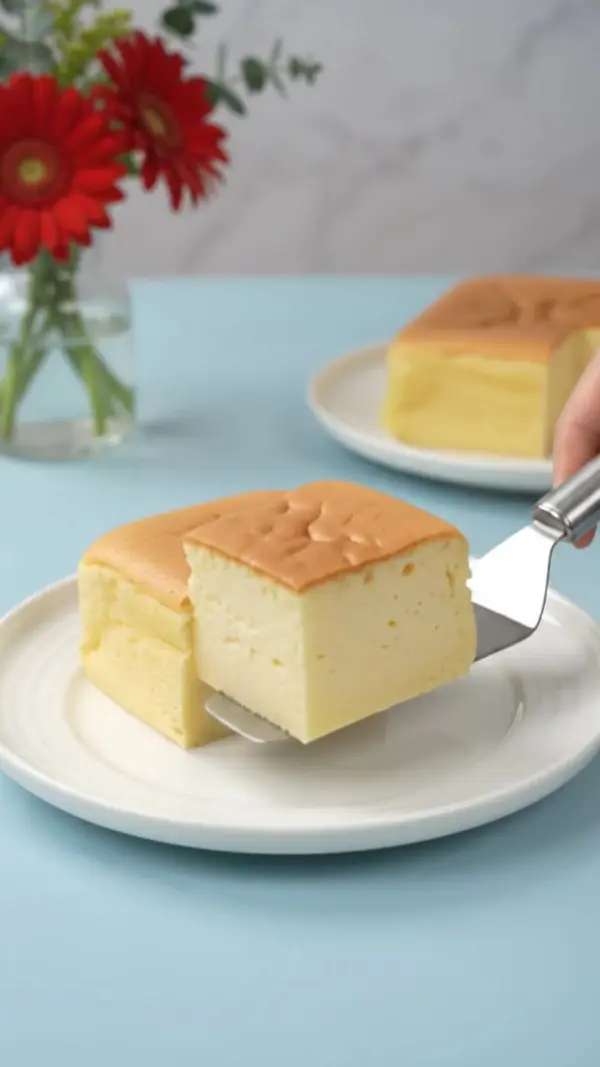
Step 8: Step 8: Slice the cake into squares or rectangles. Serve plain, dusted with powdered sugar, or alongside a cup of tea.
Common Mistakes and How to Fix Them
Over‑mixing the batter can develop gluten, resulting in a dense texture; stop whisking as soon as the batter is smooth.
Baking at too high a temperature creates a dry crust; always verify the oven is set to 320°F (160°C) and use an oven thermometer for accuracy.
Skipping the parchment lining often leads to a stuck bottom; if this happens, run a thin knife around the edges before lifting.
Opening the oven door too early releases heat and can cause the cake to collapse; wait until the 30‑minute mark before checking.
Using cold butter can cause the batter to separate; melt the butter fully and let it cool just enough to be liquid but not hot.
Not letting the cake rest before slicing can cause crumb crumble; give it at least 5 minutes on the pan and a further 10 minutes on a rack.
Simple Swaps That Still Work
Replace whole milk with a 2% milk for a slightly lighter crumb while keeping the moisture level.
Use honey in place of sugar for a subtle floral note; reduce the amount to 80 g because honey is sweeter.
Substitute a gluten‑free all‑purpose blend for the flour; the texture will be a touch more crumbly but still tender.
Add a teaspoon of vanilla extract to the batter for a fragrant background flavor without altering the structure.
Keeping Your Soft Milk Cake Fresh and Warm
Store the cooled cake in an airtight container at room temperature for up to three days; the soft crumb stays moist thanks to the milk base. For longer storage, wrap tightly in plastic and freeze for up to a month. To serve from frozen, let it thaw in the refrigerator overnight, then warm a slice in the microwave for 10‑15 seconds for a just‑baked feel.
Pairings and Plating for Japanese Soft Milk Cake
Serve the Japanese soft milk cake plain, or dust it lightly with powdered sugar for a pretty finish. A side of fresh berries adds a bright contrast, while a drizzle of simple syrup keeps the cake extra moist. Pair it with a cup of green tea or a glass of cold milk for a classic Japanese tea‑time experience. For a festive touch, layer thin slices with whipped cream and sliced strawberries, creating a simple yet elegant parfait.
Japanese Soft Milk Cake Questions
How do I know when the cake is fully baked?
Look for a lightly golden edge and a springy center when you press gently with a fingertip. A toothpick inserted should come out with just a few moist crumbs, not wet batter.
Can I use a different pan shape?
Yes, a 9‑inch round or a loaf pan works, but adjust the baking time by a few minutes—check at the 28‑minute mark and extend as needed until the center springs back.
What if I don’t have parchment paper?
Grease the pan lightly with butter and dust with a thin layer of flour. Tap out excess flour before pouring the batter to avoid a gritty texture.
Is it okay to add a leavening agent?
The recipe relies on eggs for lift; adding baking powder can make the crumb too airy and cause cracks. Stick to the original method for the signature softness.
How can I make the cake extra fluffy without extra ingredients?
Whisk the eggs and milk until a frothy foam forms before adding sugar and flour. The incorporated air helps the cake rise gently during the low‑heat bake.
For more ideas on airy milk cakes, see our Soft Japanese Milk Cake page or explore the Three Milks (Milk Cake) variation.