
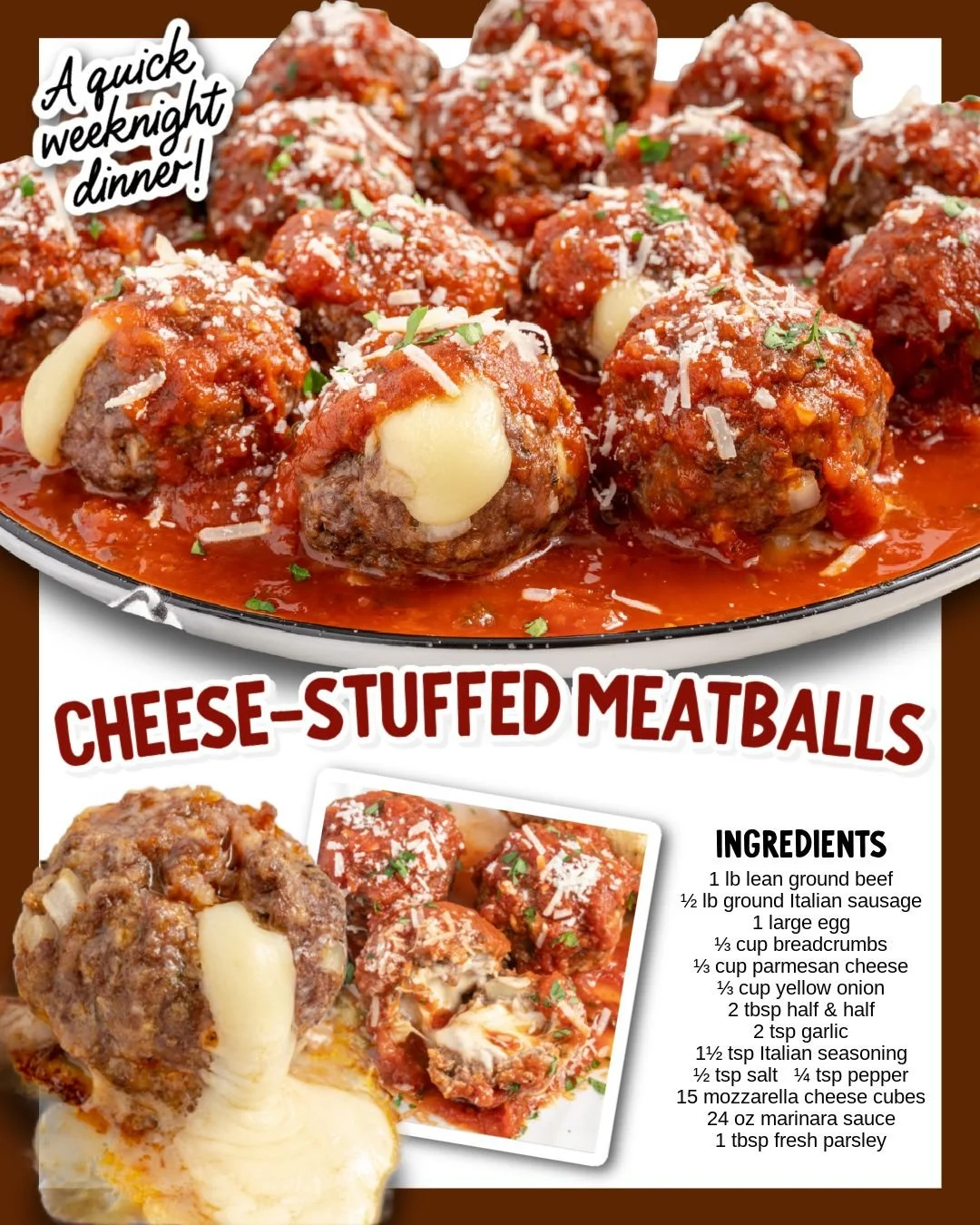
Another pitfall I encountered was overcrowding the baking sheet. I learned that giving the meatballs space helps them cook evenly and brown correctly. I always place them at least an inch apart now, which really helps.
Overcooking is another issue I’ve faced in the past. Trust your instincts and keep an eye on them. Meatballs should be cooked to an internal temperature of 160°F (70°C) — use a thermometer if you have one, and if you’re unsure, cut one in half to check for doneness!
Serving Suggestions
These Italian meatballs are incredibly versatile, making them perfect for a variety of meals. My favorite way to enjoy them is over a bed of spaghetti, drenched in hearty marinara sauce, and topped with fresh basil and a sprinkle of extra Parmesan. It’s such a comforting dinner that always brings a smile to my face.
Another fantastic option is making a meatball sub. Simply place a few meatballs in a toasted hoagie roll, drizzle with marinara sauce, top with melted mozzarella cheese, and pop it under the broiler until bubbly. Every bite is a taste explosion, perfect for lunch or a casual dinner.
For something lighter, you can serve meatballs alongside a fresh salad. It offers a fantastic contrast, bringing together the warm, rich flavors of the meatballs and the crisp, refreshing crunch of greens. It’s a perfect balance!
Variations & Customizations
If you’re looking to jazz up the basic recipe, consider adding some chopped spinach or mushrooms into the meat mixture. I’ve tried incorporating diced veggies, and it adds nutrition and extra flavor without compromising the meatball’s texture.
Another variation I enjoy is experimenting with different types of cheese. While Parmesan is a classic choice, I also love using pecorino Romano for a sharper taste or adding some shredded mozzarella for a melty inside. Each small change gives the meatballs a new twist and keeps things exciting.
Finally, if you’re looking for a kick, don’t be afraid to experiment with spices. Different herbs—like oregano or Italian seasoning—can change the flavor profile. Adding a dash of balsamic vinegar to the mixture can also enhance the savory flavors. The possibilities are endless!
How to Store, Freeze & Reheat
Empty plates are what I aspire to after dinner, but if you end up with leftovers, you’ll be glad to know that Italian meatballs store very well! I always let them cool completely and then transfer them to an airtight container. They will last in the refrigerator for about 3-4 days—perfect for lunch the next day!
For longer storage, I recommend freezing the meatballs. After they have cooked and cooled, I place them in a single layer on a baking sheet and freeze them for a few hours before transferring them to a freezer bag. This way, they won’t stick together and you can pull out as many as you need whenever the craving hits!
Reheating is a breeze; just thaw them in the refrigerator overnight, then warm them up gently in the sauce on the stovetop or pop them in the microwave for a quick meal. They taste just as good the second time around—trust me!
Conclusion
I sincerely hope you enjoy making and sharing these Italian meatballs as much as I do. They truly are a labor of love that brings people together around the table. So put on some music, pour a glass of wine, and let your kitchen come alive with the mouthwatering aroma of your very own homemade meatballs! Happy cooking!