How to Assemble and Bake
Step 1: Step 1: Crack the two eggs into a medium mixing bowl. Use a fork or whisk to break the yolks and mix until the whites are fully incorporated.
Step 2: Step 2: Pour the half‑cup of milk over the beaten eggs. Stir briefly so the liquid blends evenly with the egg mixture.
Step 3: Step 3: Add the cup of flour to the bowl. Sprinkle it over the liquid to prevent clumping, then give the batter a gentle stir.
Step 4: Step 4: Drizzle the two tablespoons of melted butter across the surface of the batter. The butter should be warm but not hot, ensuring it mixes without cooking the eggs.
Step 5: Step 5: Spoon in the two tablespoons of honey. The honey will melt into the batter, adding sweetness and moisture.
Step 6: Step 6: Sprinkle the teaspoon of baking powder evenly over the top. This distribution helps the loaf rise uniformly.
Step 7: Step 7: Whisk everything together until the batter is smooth and thick, with no visible flour streaks. The batter should coat the back of a spoon.
Step 8: Step 8: Lightly grease a standard 9‑by‑5‑inch loaf pan with a thin layer of butter or non‑stick spray. Pour the batter into the pan, smoothing the top with a spatula.
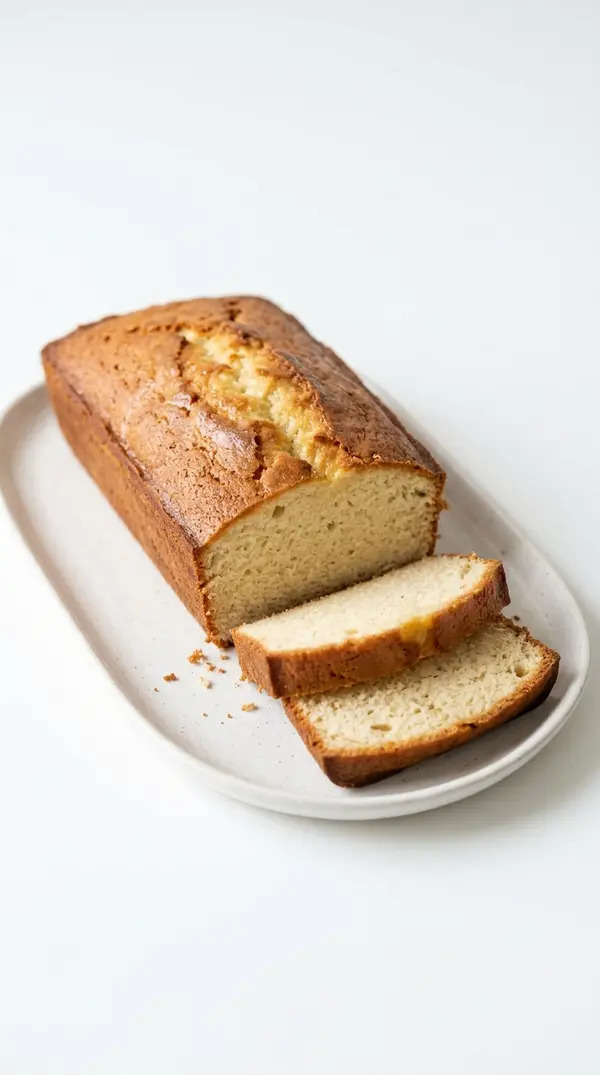
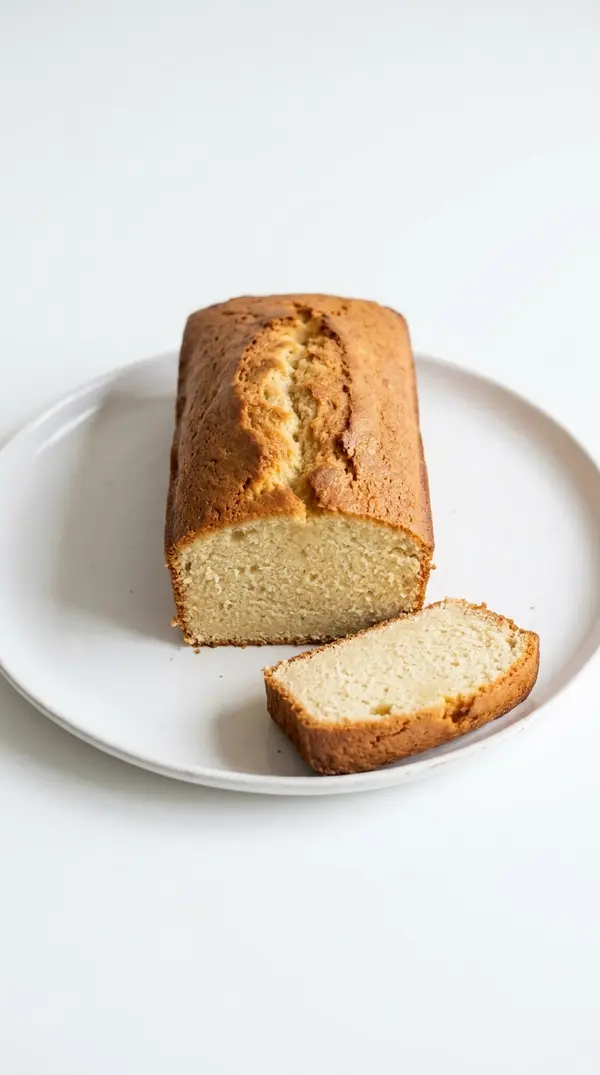
Step 9: Step 9: Place the pan in a preheated oven set to 350°F (175°C). Bake for 30 to 35 minutes, or until the top turns a deep golden brown and a toothpick inserted near the center comes out clean. Listen for a faint crackling sound as the crust forms.
Step 10: Step 10: Remove the loaf from the oven and set it on a white plate for presentation. Let it cool for ten minutes before slicing; this rest lets the crumb set and makes cutting easier.
Avoiding a Dense Crumb and Other Pitfalls
If the loaf turns out dense, it may be due to over‑mixing; stir only until the batter is smooth. A pale top often means the oven temperature was too low; verify the oven dial and consider a brief broil at the end. Cracks on the surface can happen when the batter is too thin; ensure the flour measurement is accurate and the butter is fully melted before adding. A dry crumb usually signals an over‑baked loaf; check doneness a few minutes early and let the loaf rest before cutting. Finally, if the loaf sticks to the pan, it likely wasn’t greased sufficiently; re‑apply a thin layer of butter next time.
Simple Swaps That Still Work
You can replace the white milk with a plant‑based alternative such as almond milk; the loaf will stay moist but gain a subtle nutty flavor. Swapping the fine white flour for a blend of half whole‑wheat and half all‑purpose adds a heartier texture without compromising rise. For a deeper flavor, use dark honey instead of light honey; the color will darken slightly but the sweetness remains balanced. If you prefer a richer crumb, increase the melted butter to three tablespoons; just be sure not to exceed four tablespoons to keep the loaf from becoming greasy.
Storing and Reheating Your Honey Loaf
Once the loaf has cooled completely, wrap it tightly in plastic wrap or store it in an airtight container. It stays fresh at room temperature for three days. For longer storage, slice the loaf and freeze the pieces on a parchment sheet, then transfer to a zip‑top bag; frozen slices keep for up to two months. To reheat, microwave a slice for 15‑20 seconds or warm the whole loaf in a 300°F (150°C) oven for ten minutes, which revives the golden crust.
Pairings and Plating for Honey Loaf Cake
Serve a warm slice with a pat of butter for a comforting breakfast. Pair the loaf with a dollop of Greek yogurt and a drizzle of extra honey for a light snack. It also works well alongside a cup of tea or coffee, where the subtle honey flavor complements the beverage.
Honey Loaf Cake Questions
How long does the honey loaf cake stay fresh?
Stored in an airtight container at room temperature, the loaf remains soft for up to three days. For longer keeping, wrap slices tightly and freeze; they retain flavor for two months.
Can I use a different pan size?
A 9‑by‑5‑inch loaf pan yields the best thickness. Using a larger pan will produce a thinner loaf that bakes faster, while a smaller pan may require a longer bake time to set the center.
What if I don’t have melted butter?
You can melt the butter in the microwave for about 15 seconds or in a small saucepan over low heat. Just be sure it’s warm, not hot, before adding to the batter.
Is it okay to add spices?
A pinch of cinnamon or nutmeg can enhance the honey flavor without overwhelming the loaf. Add the spice with the flour to distribute it evenly throughout the batter.
How do I know when the loaf is done?
Look for a deep golden top and listen for a faint crackle as the crust forms. Insert a toothpick near the center; it should emerge clean or with only a few moist crumbs.