What to Know Before You Start
Peanut butter contributes healthy fats that keep the pancakes moist and give a subtle nutty flavor.
Baking powder provides lift, creating a light, airy crumb despite the low‑liquid batter.
Only four pantry staples are required, so you can whip it up without a grocery run.
The batter holds its shape in a standard 8‑inch skillet, so you only need one pan.
Step-by-Step Pancake Directions
Step 1: Prep the banana. Peel the banana and place it in a medium bowl. Mash with a fork until mostly smooth, leaving a few small lumps for texture. (1 minute)
Step 2: Add the egg. Crack the egg into the bowl with the mashed banana. Whisk vigorously until the mixture is uniform and slightly frothy. (30 seconds)
Step 3: Incorporate peanut butter. Spoon the peanut butter into the bowl. Stir until fully blended; the batter should be thick and glossy, without any visible peanut butter streaks. (1 minute)
Step 4: Activate the leavening. Sprinkle the baking powder over the batter. Fold gently—over‑mixing can deflate the bubbles that give the pancakes lift. (15 seconds)
Step 5: Heat the skillet. Place an 8‑inch non‑stick skillet over medium heat. Add a thin layer of cooking spray or a dab of butter; the surface should shimmer but not smoke. (2 minutes)
Step 6: Test the temperature. Flick a few drops of water onto the skillet; if they dance and evaporate within a second, the pan is ready.
Step 7: Pour the batter. Scoop ¼‑cup portions onto the skillet, spacing them about an inch apart. The batter should spread slightly but retain a round shape. (30 seconds)
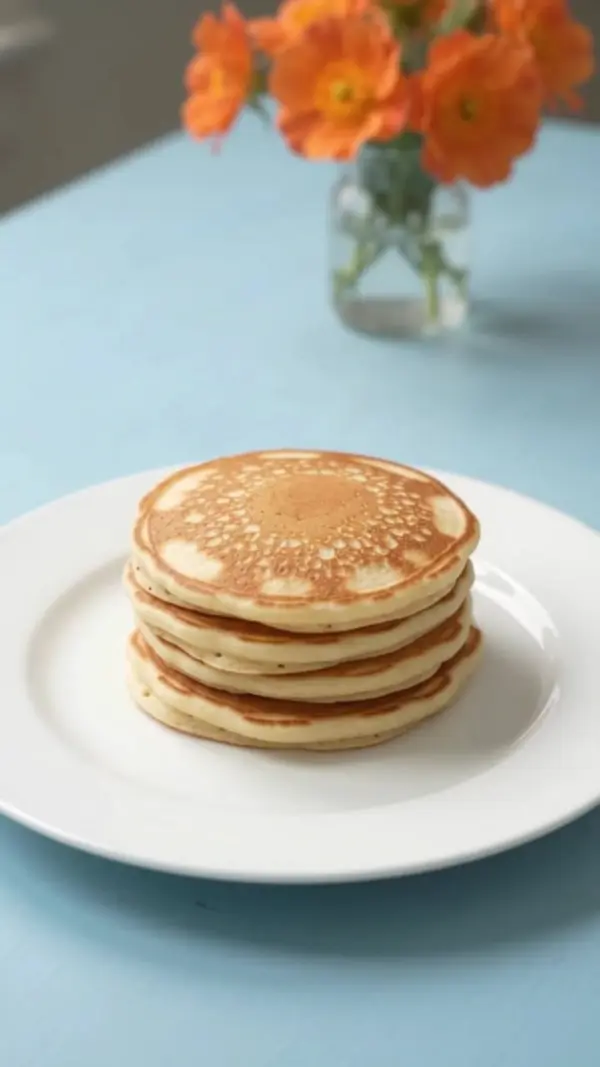
Step 8: Watch the edges. Cook until the edges turn a light golden brown and the surface shows tiny bubbles, about 2‑3 minutes.
Step 9: Flip confidently. Slide a thin spatula under the pancake, lift, and flip in one smooth motion. Cook the second side until golden and the pancake springs back when pressed lightly, another 1‑2 minutes.
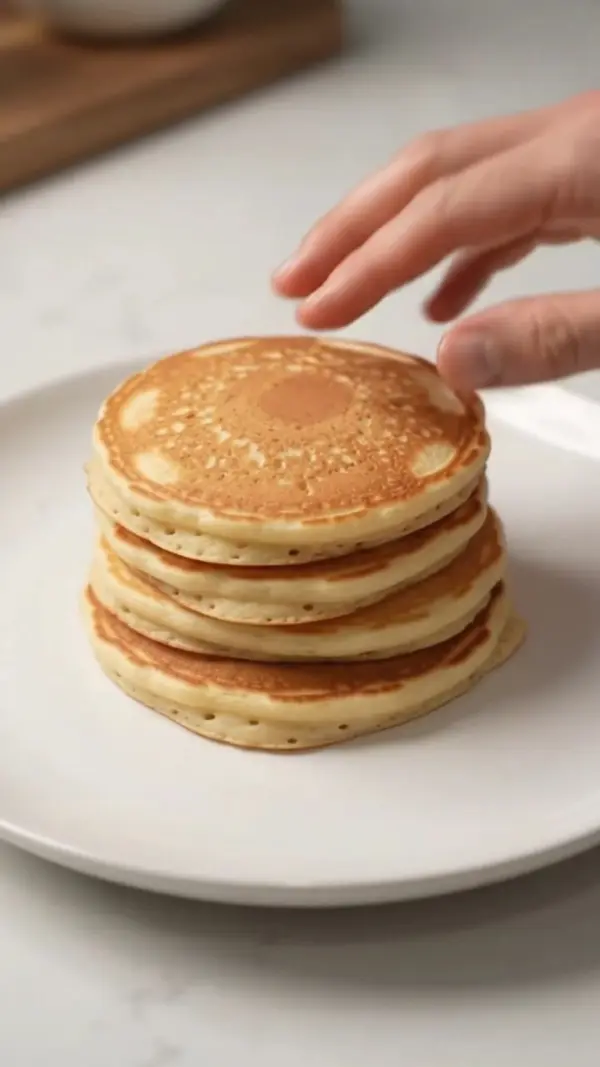
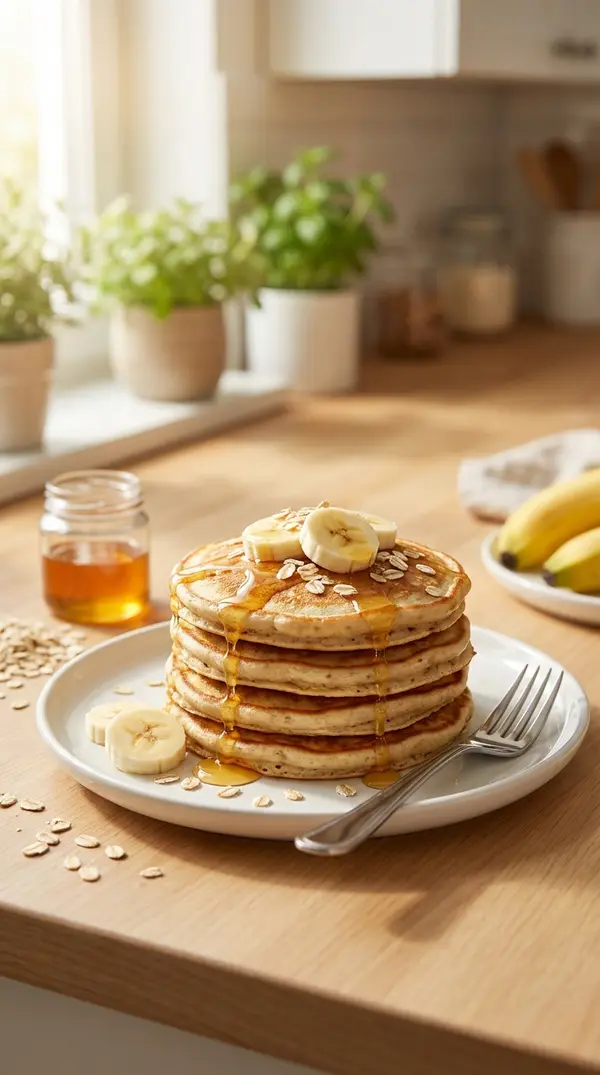
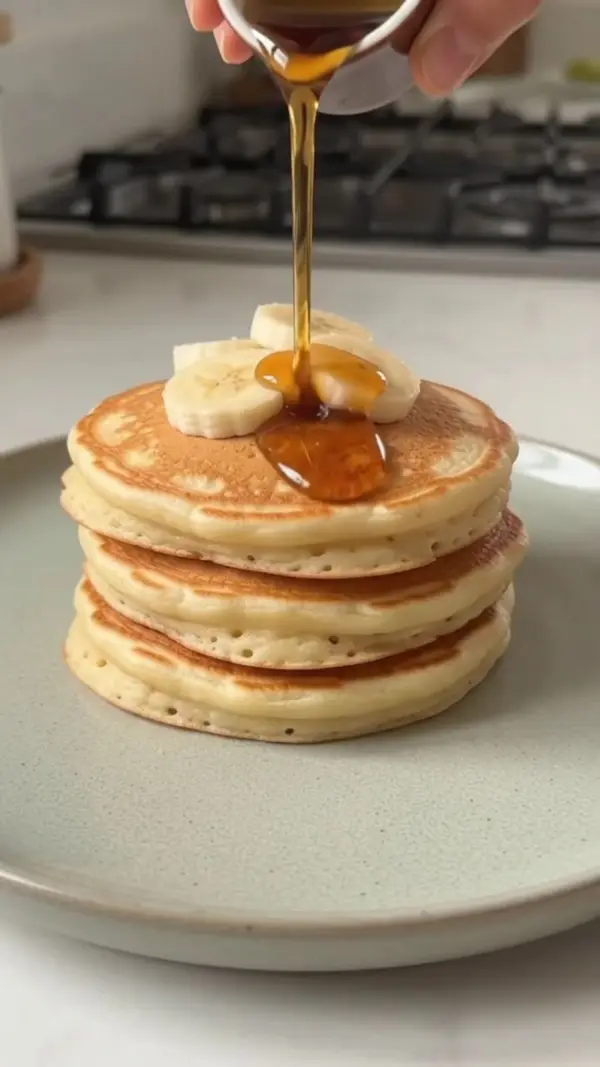
Step 10: Serve immediately or keep warm. Transfer finished pancakes to a warm oven set at 200°F (95°C) while you finish the batch. Serve with extra peanut butter, sliced banana, or a drizzle of honey.
Common Mistakes and How to Fix Them
Batter too runny: Over‑mashing the banana releases excess moisture. Add a tablespoon of oat flour to thicken.
Pancakes stick to pan: Use a well‑seasoned non‑stick skillet or a thin layer of oil; preheat the pan fully before adding batter.
Flat pancakes: Skip the baking powder or use old powder; replace with fresh ½ tsp for proper rise.
Burnt edges: Heat the skillet on medium, not high; adjust to medium‑low if the first side darkens too quickly.
Uneven cooking: Press the batter gently with the spatula before flipping to even out thickness.
Rubbery texture: Over‑mixing incorporates too much air; stop stirring as soon as ingredients are combined.
Swaps That Still Work
Banana substitute: Use ½ cup unsweetened applesauce for a milder flavor and similar moisture.
Egg alternative: Replace the egg with ¼ cup plain Greek yogurt for extra tenderness and a slight tang.
Peanut butter swap: Almond butter gives a lighter nut taste; coconut butter adds a subtle tropical note.
Gluten‑free version: Add 1 tbsp almond flour to the batter; it won’t change the texture but keeps it grain‑free.
Storing Your Pancakes
Let the pancakes cool completely on a wire rack before stacking. Store in an airtight container in the refrigerator for up to three days. Reheat in a toaster oven at 350°F (175°C) for two minutes per side to restore crisp edges, or microwave for 30 seconds if you prefer softness. For longer storage, freeze in a single layer on a baking sheet, then transfer to a zip‑top bag; they keep for two months. Reheat frozen pancakes directly in a skillet over medium heat, covering the pan briefly to melt the interior.
Toppings and Pairings for Your Pancakes
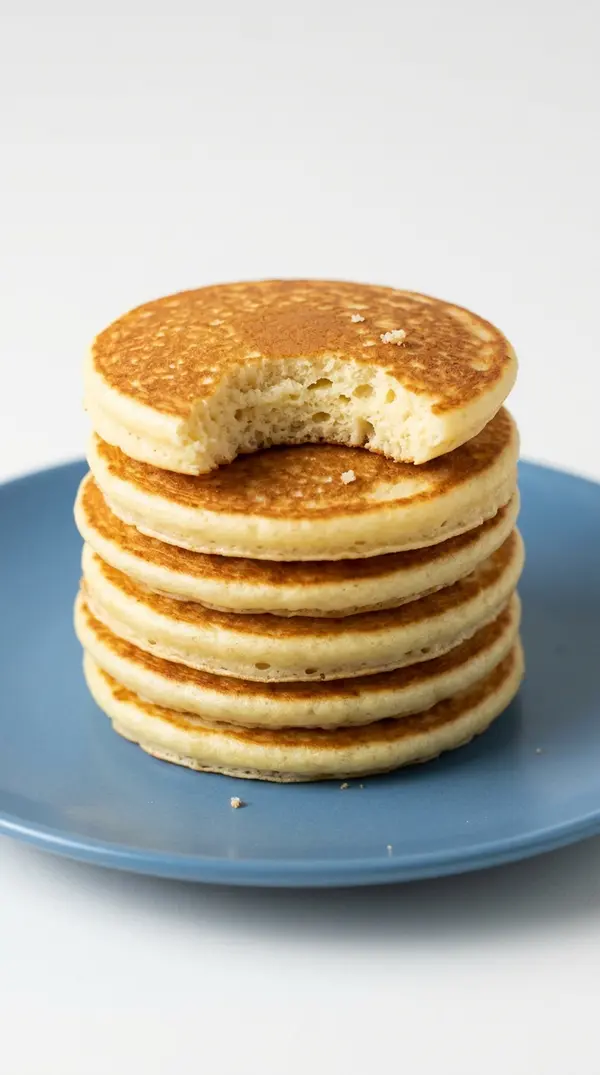
Serve the pancakes stacked two high, topped with a spoonful of extra peanut butter and a few banana slices for added texture. A drizzle of pure maple syrup adds sweetness without overpowering the nutty flavor. For a savory twist, sprinkle a pinch of sea salt and serve with a side of scrambled eggs. Pair with a glass of orange juice or a cold brew coffee for a balanced breakfast.
Homemade Pancakes Questions
How do I know when the batter is ready to cook?
The batter should be thick enough to hold its shape when spooned onto the skillet. If it spreads too quickly, let it sit for a minute; the baking powder will begin to work, thickening the mixture slightly.
Can I make these pancakes ahead of time and freeze them?
Yes. Cool the pancakes completely, then freeze them on a baking sheet. Once solid, transfer to a freezer bag. Reheat in a skillet or toaster oven; they will retain their tender interior and lightly crisp exterior.
What if I don’t have a non‑stick skillet?
A well‑seasoned cast‑iron skillet works well. Add a little more oil to prevent sticking, and keep the heat at medium to avoid burning. A silicone baking mat can also line a regular skillet for easier release.
Is it okay to add extra sweeteners like honey or maple syrup to the batter?
You can add up to 1 tbsp of honey or maple syrup without altering the batter’s consistency. Adding more may make the batter too liquid, requiring a tablespoon of oat flour to restore thickness.
How can I keep the pancakes from getting soggy when stacked?
Place a sheet of parchment paper between each pancake before stacking. This barrier absorbs excess moisture and keeps the layers crisp until you’re ready to serve.
Related Recipes
If you enjoy the banana base, try our Soft Banana Oat Pancakes for a grain‑boosted version. For a kitchen‑gadget shortcut, see the Rice Cooker Pancake Hack that uses the same batter in a different appliance.