Step‑by‑Step Mixing for a Tender Crumb
Step 1: Step 1: Place 2 cups of all‑purpose flour into a large mixing bowl. Spread the flour evenly so it settles flat and is ready for the next ingredients.
Step 2: Step 2: Crack 2 large eggs directly over the flour. The yolks should break cleanly; any shell fragments can be removed with a spoon.
Step 3: Step 3: Add 1 cup of granulated sugar to the bowl. The sugar will help the batter turn a light amber color as it bakes.
Step 4: Step 4: Pour ½ cup of vegetable oil over the mixture. The oil keeps the crumb tender and prevents a dry texture.
Step 5: Step 5: Measure 1 cup of milk and add it to the bowl. Milk hydrates the flour, creating a smooth batter that spreads evenly.
Step 6: Step 6: Whisk the combined ingredients for about two minutes, or until the batter is glossy and free of lumps. Listen for a subtle “whoosh” sound that indicates the mixture is fully emulsified.
Step 7: Step 7: Lightly grease a 9‑inch springform pan and pour the batter in, smoothing the top with a spatula. The springform’s removable side makes it easy to lift the cake out without breaking.
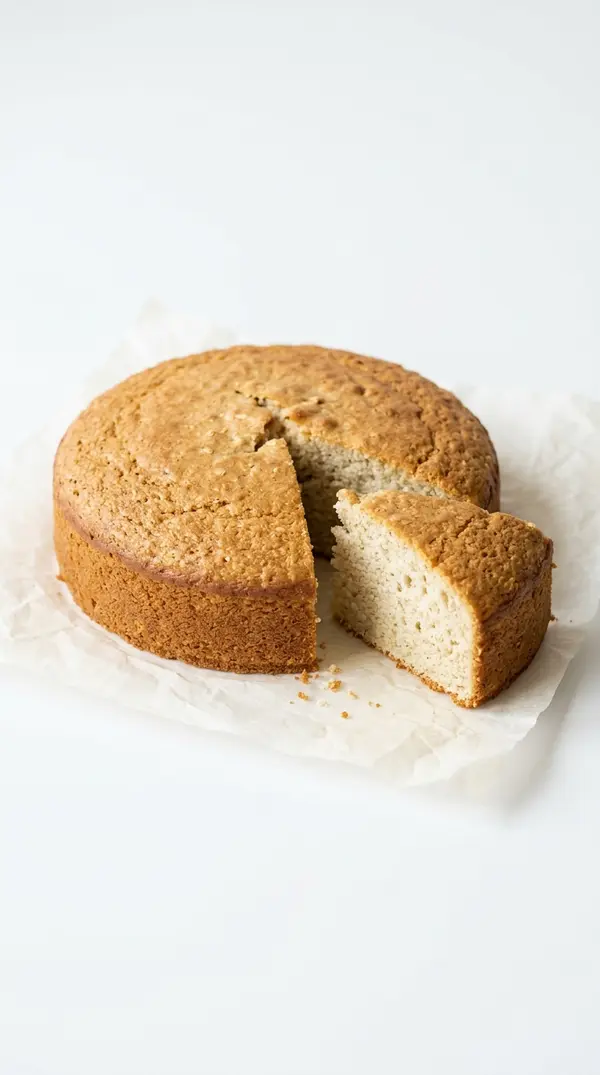
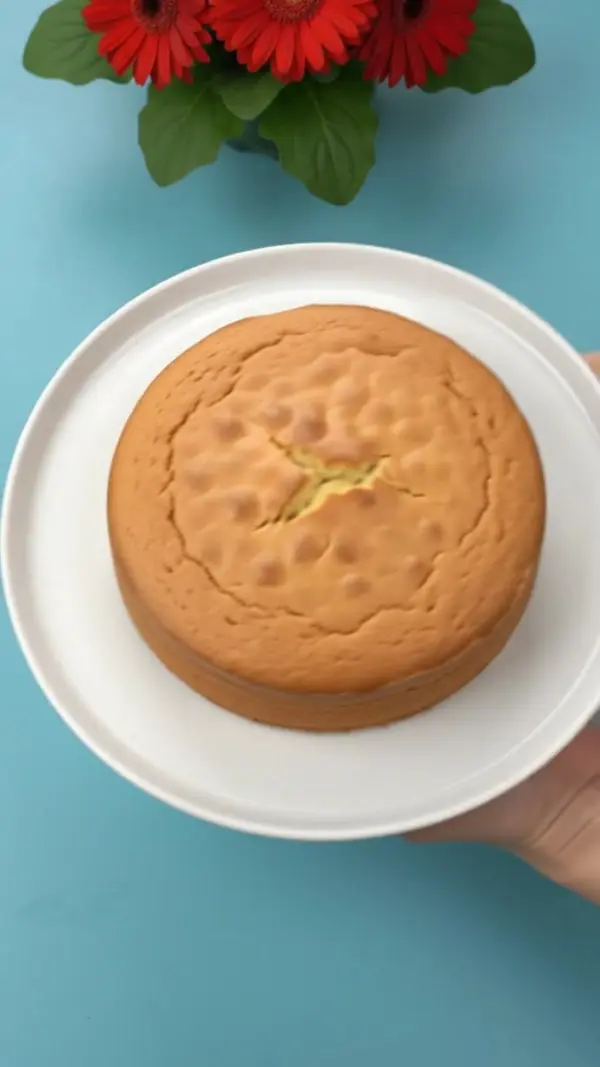
Step 8: Step 8: Bake in a pre‑heated oven at 350°F (175°C) for 30‑35 minutes. Rotate the pan halfway through for even browning. The cake is done when a toothpick inserted in the center comes out clean and the edges have turned a light golden hue.
Step 9: Step 9: Remove the pan from the oven and let the cake cool in the springform for 10 minutes, then release the side and transfer the cake to a wire rack. Cooling on a rack prevents steam from sogging the bottom.
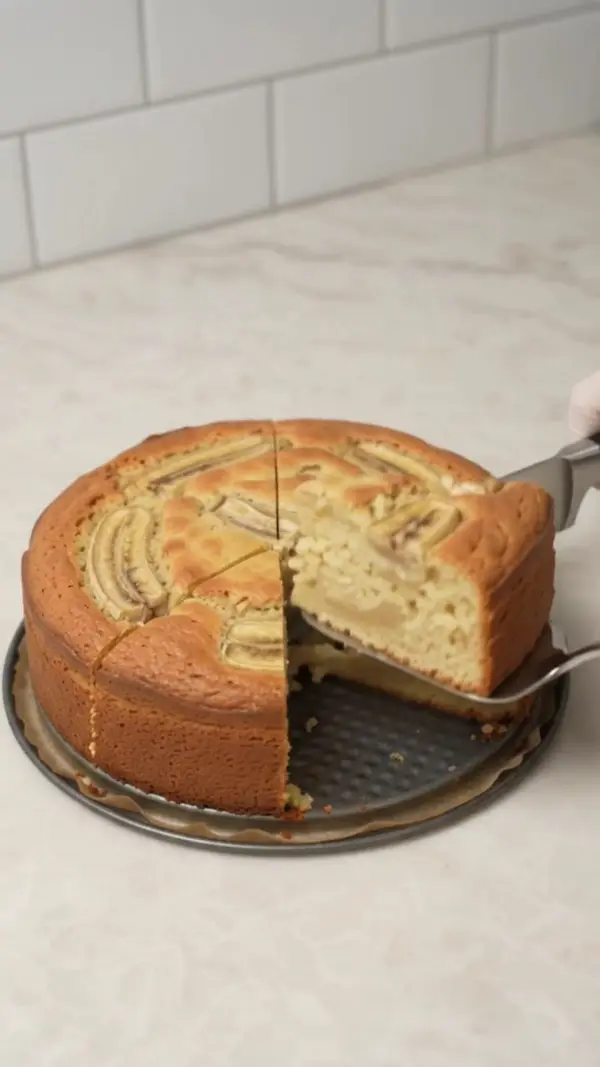
Step 10: Step 10: Slice a wedge, serve warm or at room temperature, and enjoy the soft crumb and faint vanilla aroma.
Preventing a Dry or Sunken Cake
Over‑mixing creates gluten, leading to a dense, rubbery cake; stop whisking as soon as the batter is smooth.
Using cold eggs causes clumping; bring eggs to room temperature or briefly warm them in a bowl of warm water.
Baking at too high a temperature browns the crust before the center sets; always preheat the oven and use an oven thermometer to verify 350°F (175°C).
Opening the oven door early lets heat escape, causing the cake to sink; wait until the timer reaches at least 20 minutes before checking.
Not greasing the pan well results in a stuck cake; a light coat of oil or non‑stick spray ensures easy release.
Cutting the cake while still warm can crush the crumb; allow the cake to rest on a rack for at least 10 minutes before slicing.
Swaps and Add‑Ons That Still Work
Replace half the milk with sour cream for a tangy crumb and slightly richer texture.
Stir in 1 teaspoon of pure vanilla extract to amplify the vanilla flavor without altering the structure.
Add ¼ cup of finely grated lemon zest for a bright citrus note that pairs well with the sweet base.
Substitute the vegetable oil with melted coconut oil for a subtle coconut aroma; keep the oil quantity the same.
Keeping It Fresh
Store the cooled cake in an airtight container at room temperature for up to three days; the oil helps retain moisture. For longer storage, wrap slices tightly in plastic wrap and freeze for up to two months. Thaw frozen pieces at room temperature or warm gently in a 300°F (150°C) oven for five minutes to revive the soft crumb.
Easy Frostings and Fillings for the Cake
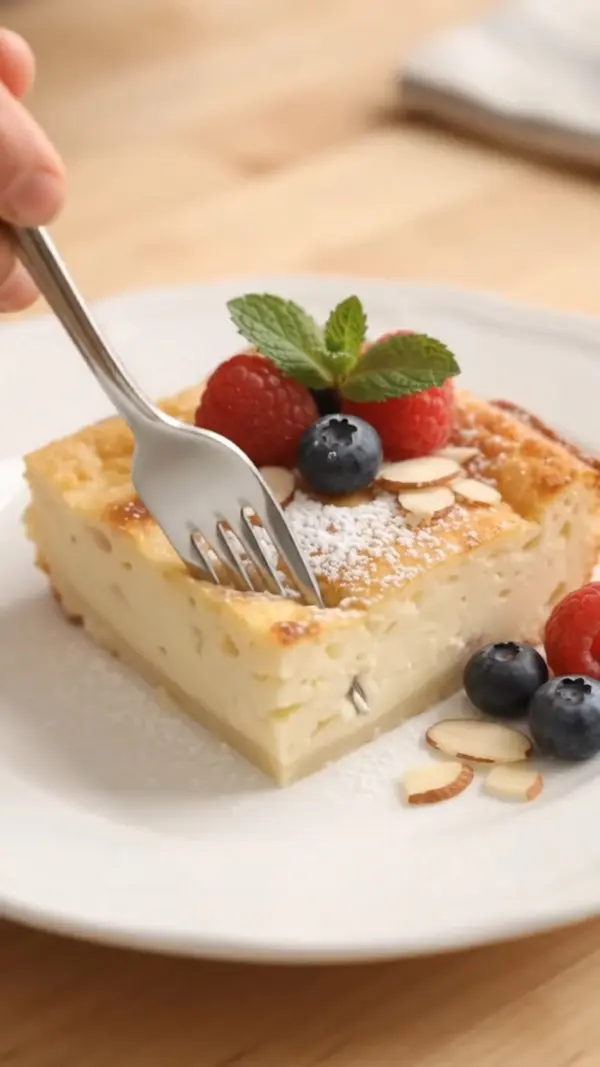
Serve a slice plain with a dusting of powdered sugar, or pair it with fresh berries for a pop of acidity. A dollop of whipped cream adds extra richness, while a drizzle of caramel sauce turns the cake into a dessert centerpiece. The springform shape also makes it easy to top with a simple glaze of powdered sugar mixed with a splash of milk.
Golden Vanilla Cake Questions
How do I know when the cake is fully baked?
Look for a golden‑brown edge and a springy center that bounces back when pressed lightly. Insert a toothpick; it should emerge clean or with just a few crumbs attached.
Can I use a regular cake pan instead of a springform?
Yes, a 9‑inch round or square cake pan works if you grease it well. The springform makes removal easier, but a regular pan won’t affect the crumb.
What if I don’t have vegetable oil?
Swap the oil for an equal amount of melted canola, melted butter, or melted coconut oil. Each keeps the cake moist, though butter adds a richer flavor.
Is it possible to make this cake gluten‑free?
Replace the all‑purpose flour with a 1‑to‑1 gluten‑free all‑purpose blend that contains xanthan gum. The texture will stay similar, but be sure to sift the blend to avoid clumps.
How can I turn this into a layered cake?
Bake the batter in two 8‑inch round pans, then let each layer cool completely. Spread a thin layer of vanilla frosting or jam between layers before stacking. The result is a taller dessert with the same tender crumb.