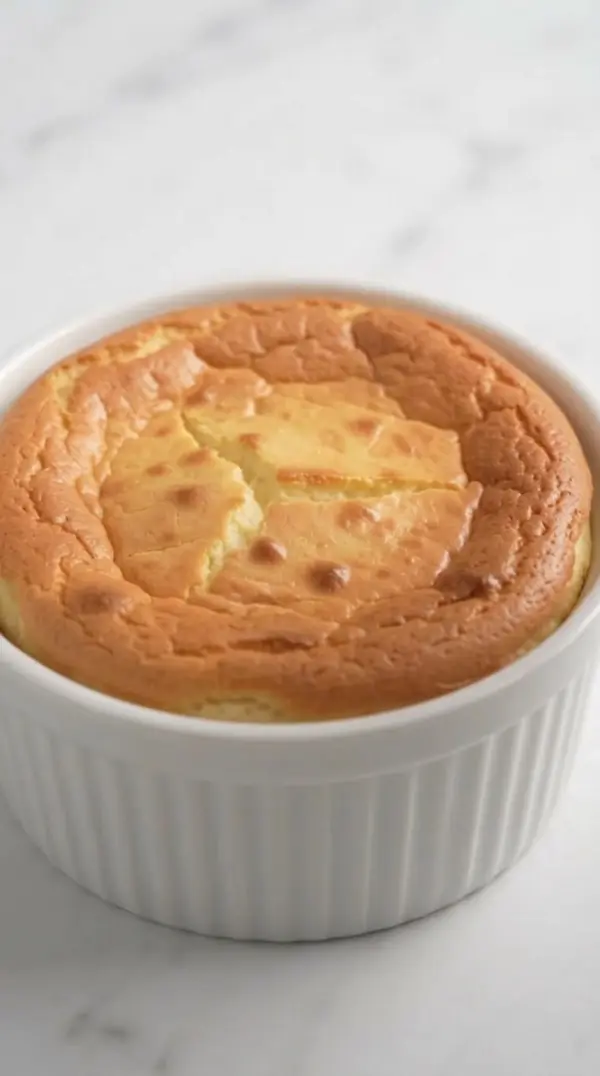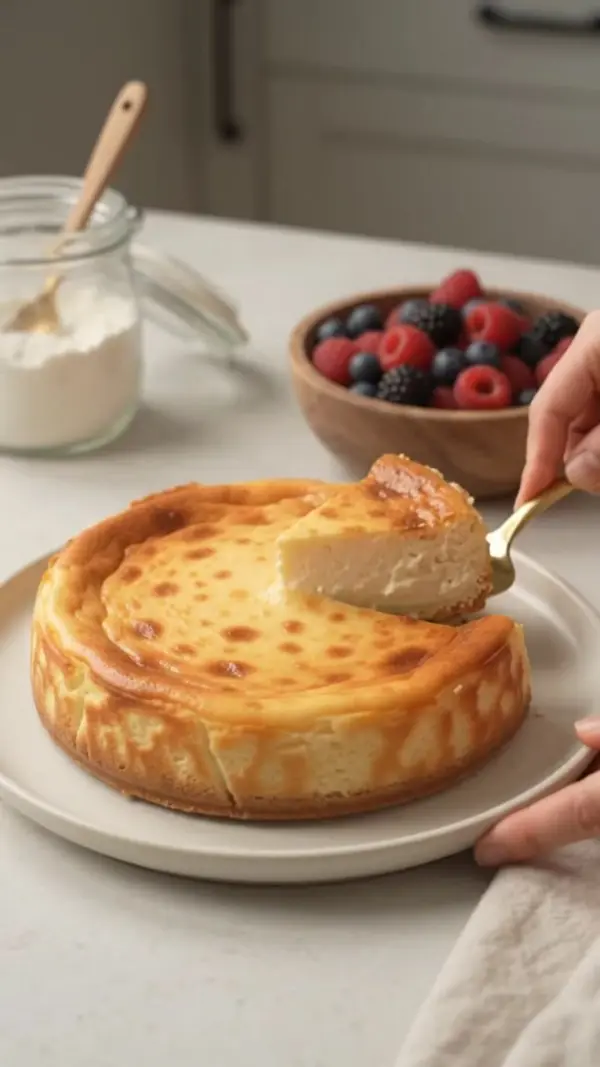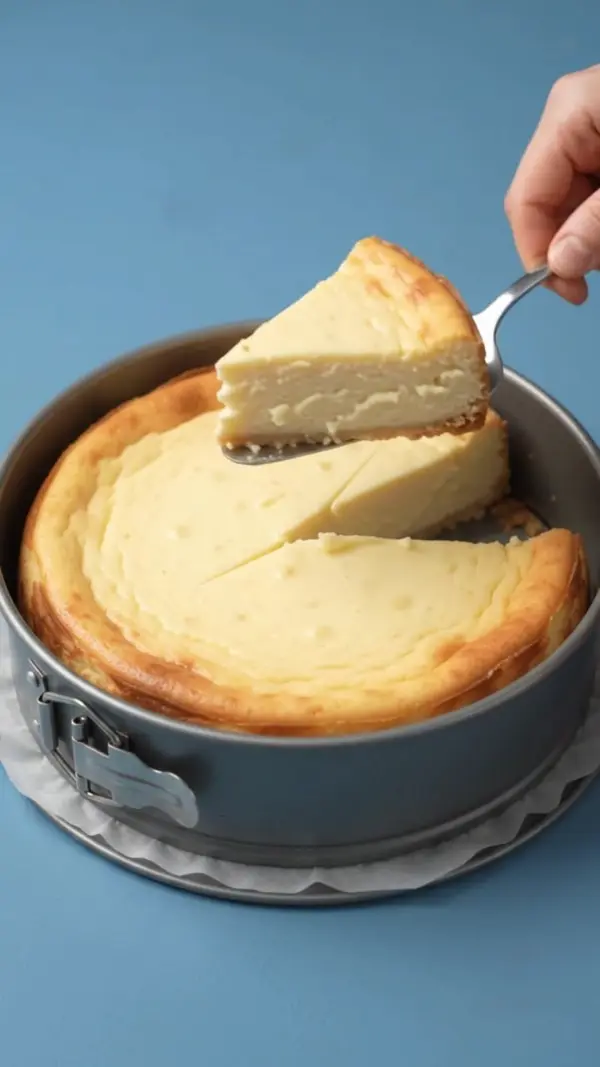
Step‑by‑Step Method
Step 1: Step 1: Slice the baked cheesecake base in half horizontally, creating two even layers that will hold the yogurt mixture.
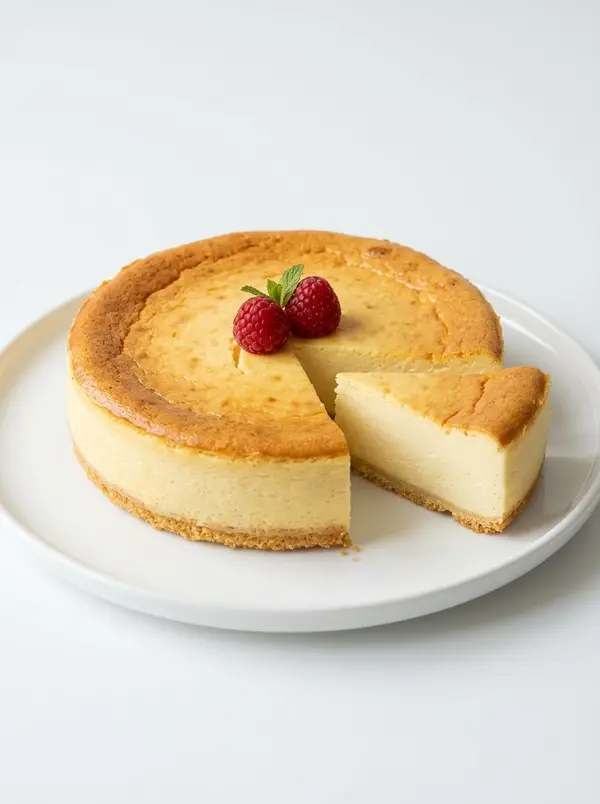
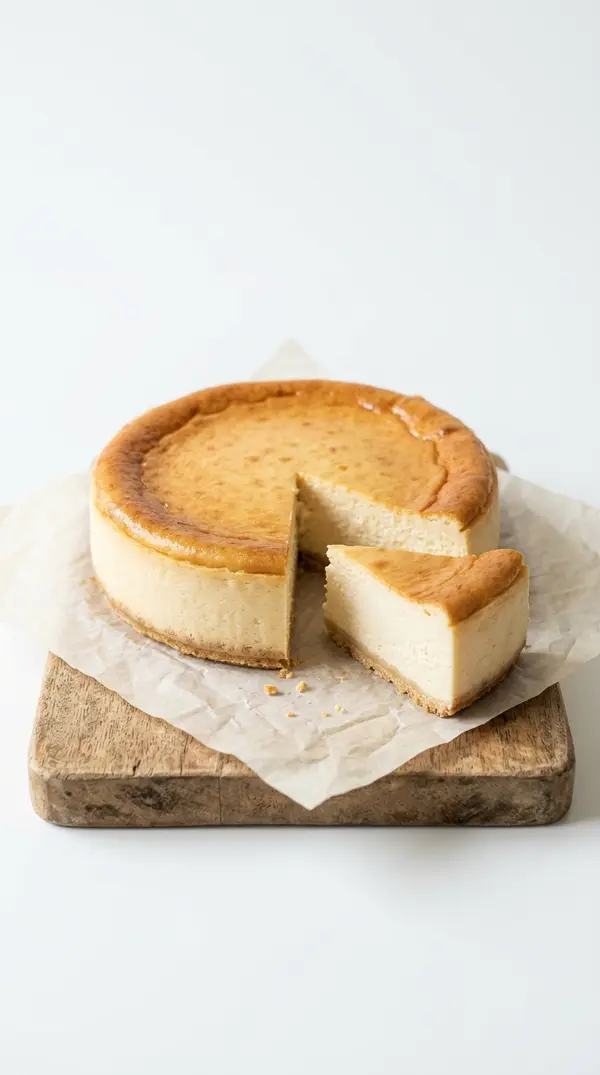
Step 2: Step 2: Using a wide spatula, lift a triangular wedge from the top layer and set it aside for serving later; this creates a decorative opening for the filling.
Step 3: Step 3: Pour the 500 g of Greek yogurt into a clean mixing bowl, letting it settle for a moment to release any excess liquid.
Step 4: Step 4: Crack the two eggs into the yogurt, add a splash of vanilla extract, drizzle honey to your preferred sweetness, and sprinkle in enough cornstarch to coat the surface lightly.
Step 5: Step 5: Whisk the mixture vigorously for about one minute, watching the color shift to a pale yellow and the texture become glossy and smooth.
Step 6: Step 6: Line a 9‑inch springform pan with parchment paper, then carefully pour the whisked batter over the sliced cheesecake base, spreading it evenly with the spatula.
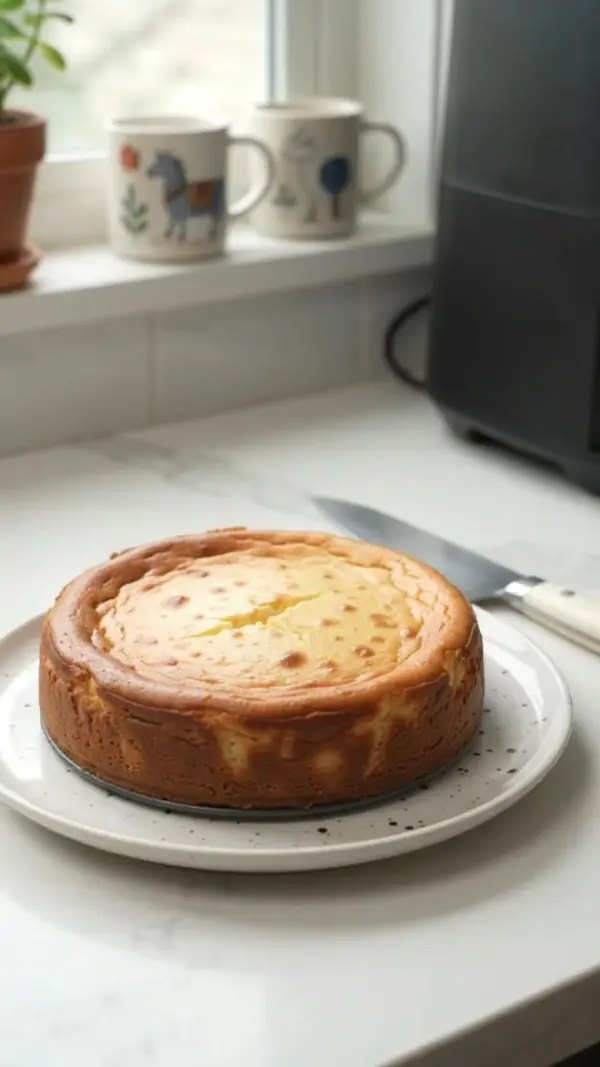
Step 7: Step 7: Place the pan on a middle rack and bake at 325°F (165°C) for 20‑25 minutes, or until the edges are set and the center gives a slight wobble when gently shaken.
Step 8: Step 8: Remove the pan from the oven and let it cool on a wire rack for 15 minutes; the cheesecake will continue to firm as it rests.
Step 9: Step 9: Once cooled, slice the top layer again and lift a piece to serve, allowing the creamy yogurt filling to peek through the opening.
Step 10: Step 10: Refrigerate the whole cheesecake for at least two hours before plating; this ensures a clean cut and a fully set texture.
Avoiding Cracks and Watery Layers
If the batter looks curdled, it usually means the eggs were too cold; bring them to room temperature next time and whisk again to smooth out the mixture. Over‑whisking can incorporate too much air, causing the top to crack during baking; stop whisking as soon as the mixture is uniform.
A watery filling often results from using low‑fat yogurt; switch to a full‑fat variety or drain excess whey with a cheesecloth. Baking at too high a temperature will dry the edges; keep the oven at the recommended 325°F (165°C) and use an oven thermometer for accuracy. Finally, cutting the cheesecake while it’s still warm can cause crumbly slices; always chill it thoroughly before serving.
Simple Swaps That Still Work
Replace the honey with maple syrup for a caramel‑like note that pairs well with the vanilla. Use almond extract instead of vanilla for a nutty twist that echoes traditional German desserts. Substitute the Greek yogurt with labneh for an even richer texture, keeping the same quantity. If you prefer a citrus hint, add a teaspoon of orange zest to the batter; the bright flavor complements the tangy base.
Keeping Your Cheesecake Fresh and Soft
Cover the cheesecake tightly with plastic wrap and store it in the refrigerator for up to four days; the flavors meld nicely after a night. For longer storage, slice the cake, wrap individual portions, and freeze for up to two months. Thaw frozen slices in the fridge overnight; there’s no need to reheat, but a brief stint in a 300°F (150°C) oven for five minutes can revive a slightly firm edge.
Pairing Toppings for German Yogurt Cheesecake
Serve each slice with a drizzle of extra honey and a sprinkling of toasted almond slivers for crunch. Pair the cheesecake with a cup of strong German coffee or a glass of lightly chilled Riesling to balance the tang. For a festive touch, garnish the plate with fresh berries and a dusting of powdered sugar. The light texture also makes it suitable for brunch alongside a fruit salad.
German Yogurt Cheesecake Questions
How do I know when the cheesecake is fully set?
The center should wobble gently when you shake the pan; it will firm up as it cools. If a clean toothpick comes out wet, bake an additional two minutes.
Can I use a different pan size?
A 9‑inch springform pan works best for even layers. A 7‑inch pan will produce a taller cake that may need an extra two minutes of baking time.
What if I don’t have parchment paper?
Grease the springform pan lightly with butter and dust it with a thin layer of cornstarch; this will help release the cake without sticking.
Is it possible to make this cheesecake without a springform pan?
A regular 9‑inch cake pan lined with foil and a loose edge can substitute, but the sides may be less smooth when unmolded.
How much honey should I add for sweetness?
Start with two tablespoons; taste the batter and add more if you prefer a sweeter profile. Adjusting honey after baking is difficult, so it’s best to fine‑tune before whisking.