Step‑by‑Step Baking Process for Fruit Oat Cake
Step 1: Step 1: Place 1 cup rolled oats in a blender and pulse until the oats form a fine powder, about 10 seconds. This oat flour will replace traditional wheat flour and keep the cake gluten‑free.
Step 2: Step 2: Add the peeled banana, 2 eggs, 2 tbsp yogurt, 1 tbsp honey, and 1 tsp baking powder to the oat flour. Blend on medium speed for 20‑30 seconds until the mixture is smooth and pourable, scraping the sides once.
Step 3: Step 3: Transfer the batter to a large mixing bowl. Using a rubber spatula, gently fold in the pineapple chunks, mango cubes, and sliced strawberries, preserving the fruit pieces so they remain visible in the final cake.
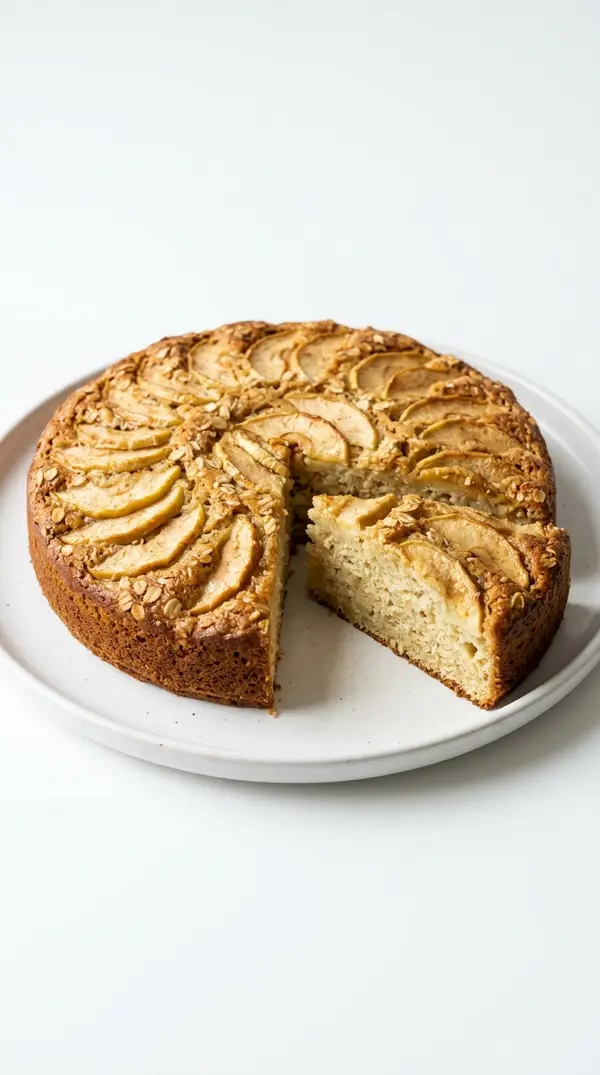
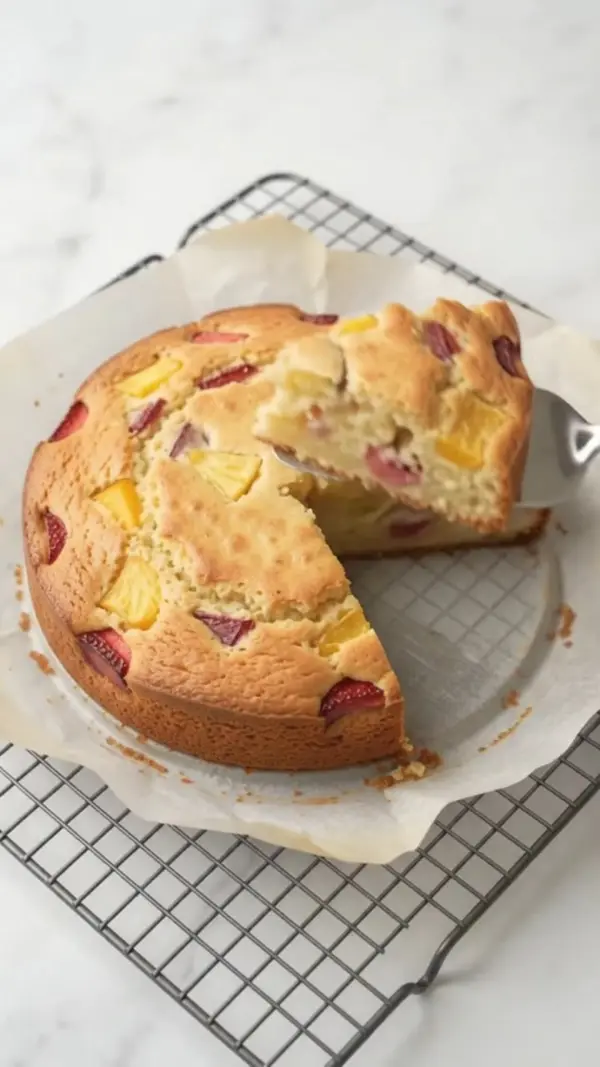
Step 4: Step 4: Line a 9‑inch round cake pan with parchment paper, allowing excess paper to overhang for easy removal. Pour the batter into the pan, spreading it evenly with the spatula. Arrange a few extra fruit pieces on top for a decorative finish.
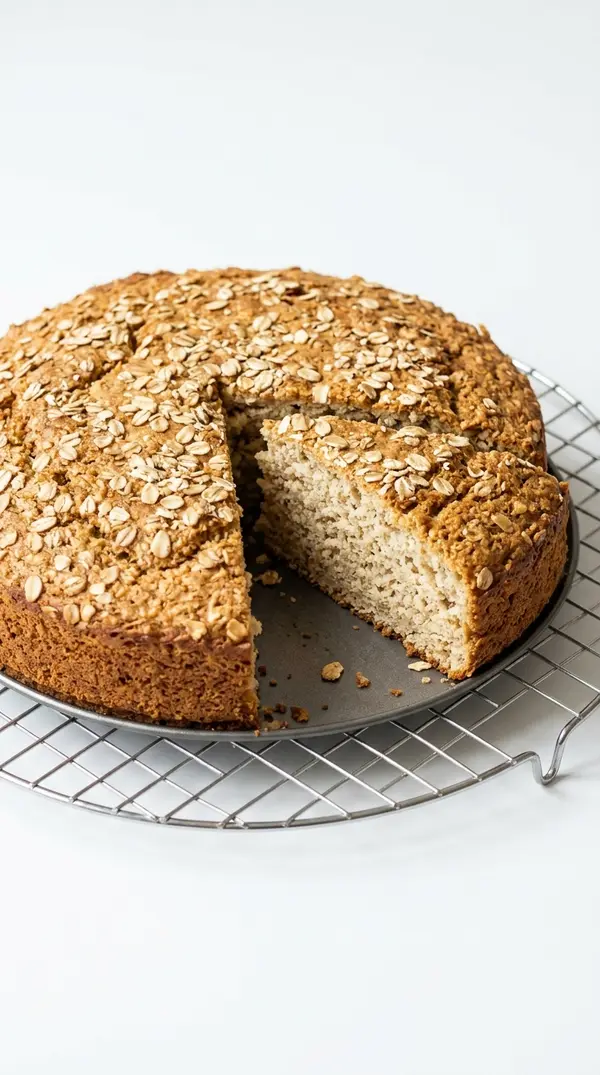
Step 5: Step 5: Preheat the oven to 350°F (175°C). Once hot, place the pan on the middle rack and bake for 20‑25 minutes, or until the top turns golden brown and a toothpick inserted near the center comes out clean. The cake should also spring back lightly when pressed.
Step 6: Step 6: Remove the pan from the oven and set it on a cooling rack. Let the cake cool in the pan for 5 minutes; the parchment overhang makes it easy to lift the cake onto the rack without breaking.
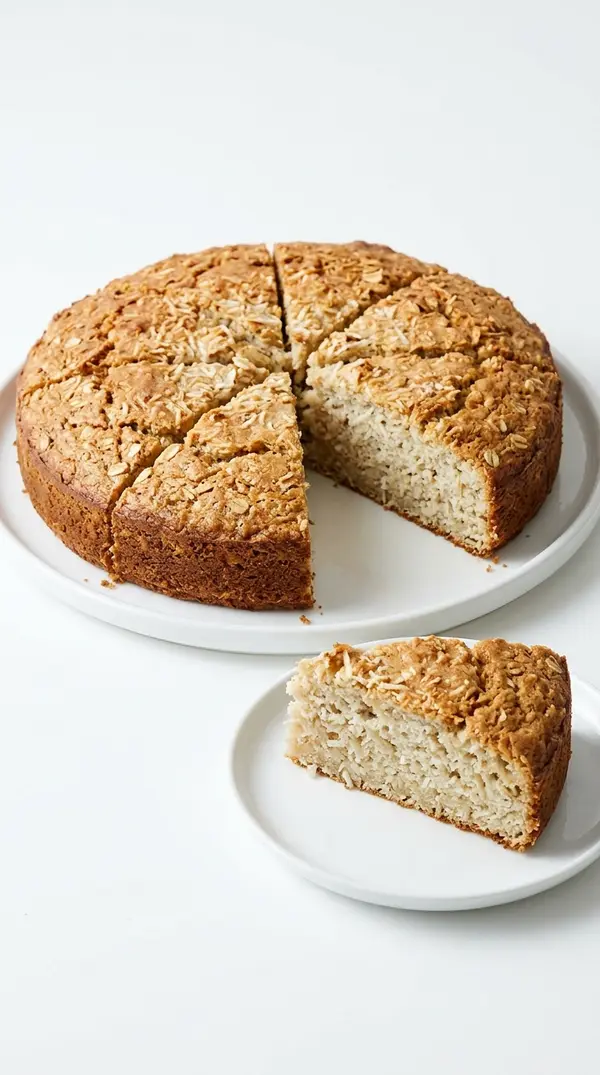
Step 7: Step 7: After the cake is completely cool, use a sharp knife to cut it into wedges. Serve each wedge with a cake server or flat spatula, allowing the fruit juices to mingle with the tender crumb.
Avoiding Cracks and Soggy Bottoms
If the oat flour isn’t ground fine enough, the batter can feel gritty; simply blend the oats a few seconds longer before adding wet ingredients. Over‑mixing after adding the fruit may crush the pieces and release extra moisture, leading to a soggy crumb; fold gently and stop once the fruit is evenly distributed.
Baking at a temperature lower than 350°F (175°C) can cause the cake to dry out before the top browns; use an oven thermometer to verify the heat. A batter that is too thick will spread unevenly; add a splash of milk or extra yogurt to reach a pourable consistency. Finally, opening the oven door too early can cause the cake to collapse; wait until the timer signals the minimum baking time before checking.
Simple Swaps That Still Work
Replace the banana with 1/2 cup unsweetened applesauce for a milder flavor and similar moisture. Use canned pineapple, mango, and strawberries that are packed in juice rather than syrup to keep the cake from becoming overly sweet. Swap honey for agave nectar if you need a lower‑glycemic option; the texture remains unchanged. For a nutty twist, stir in 1/4 cup toasted chopped almonds after folding in the fruit; the nuts add crunch without affecting the rise.
Storing Your Fruit Oat Cake
Allow the cake to cool completely, then wrap the whole pan in plastic wrap or transfer slices to an airtight container. Store in the refrigerator for up to four days; the oat crumb stays moist and the fruit retains its bright flavor. For longer storage, freeze individual wedges wrapped in parchment and then foil; they reheat well in a 300°F (150°C) oven for 8‑10 minutes or can be enjoyed thawed at room temperature. The cake also holds up well as a make‑ahead breakfast—just toast a slice briefly to revive the crust.
Ways to Plate and Pair This Tropical Cake
Serve each wedge warm with a dollop of plain yogurt or a drizzle of extra honey for added richness. Pair the cake with a cup of black tea or a cold glass of milk for a balanced snack. If you’re feeding a crowd, arrange the wedges on a platter and garnish with a few whole fruit slices for visual appeal. The cake’s tender crumb and juicy fruit make it a satisfying treat any time of day.
Fruit Oat Cake Questions
How do I know when the cake is fully baked?
Look for a golden‑brown top and a clean toothpick when inserted near the center. The cake should also give a slight spring back when lightly pressed; these signs mean the interior is set and the edges are lightly crisp.
Can I use a different pan shape?
A 9‑inch round pan works best for even baking, but an 8‑inch square pan or a muffin tin can be used. Adjust the baking time: square pans may need an extra 3‑5 minutes, while muffins bake in about 15‑18 minutes.
What if I don’t have a blender for the oats?
A food processor or a sturdy coffee grinder can pulverize the oats into a fine flour. Pulse in short bursts, checking the texture frequently to avoid over‑processing into a paste.
Is it okay to add spices like cinnamon?
A teaspoon of ground cinnamon or a pinch of nutmeg complements the tropical fruit nicely. Add the spice with the dry ingredients before blending the oats to ensure even distribution.
How far in advance can I freeze the cake?
The cake freezes well for up to three months. Wrap each wedge tightly in parchment, then foil, and label with the date. Thaw at room temperature or reheat directly from frozen in a preheated oven.