Step‑by‑Step Method
Step 1: In a medium bowl, pour the Greek yogurt and crack the two eggs in. Use a whisk to break the yolks and blend the mixture until the edges of the eggs disappear.
Step 2: Add the vanilla extract and cornstarch to the bowl. Whisk vigorously for about 30 seconds, scraping the sides, until the batter is glossy and free of lumps.
Step 3: Line a 9‑inch round baking pan with parchment paper, allowing a little overhang for easy removal. Pour the batter into the pan, spreading it evenly with the back of a spoon.
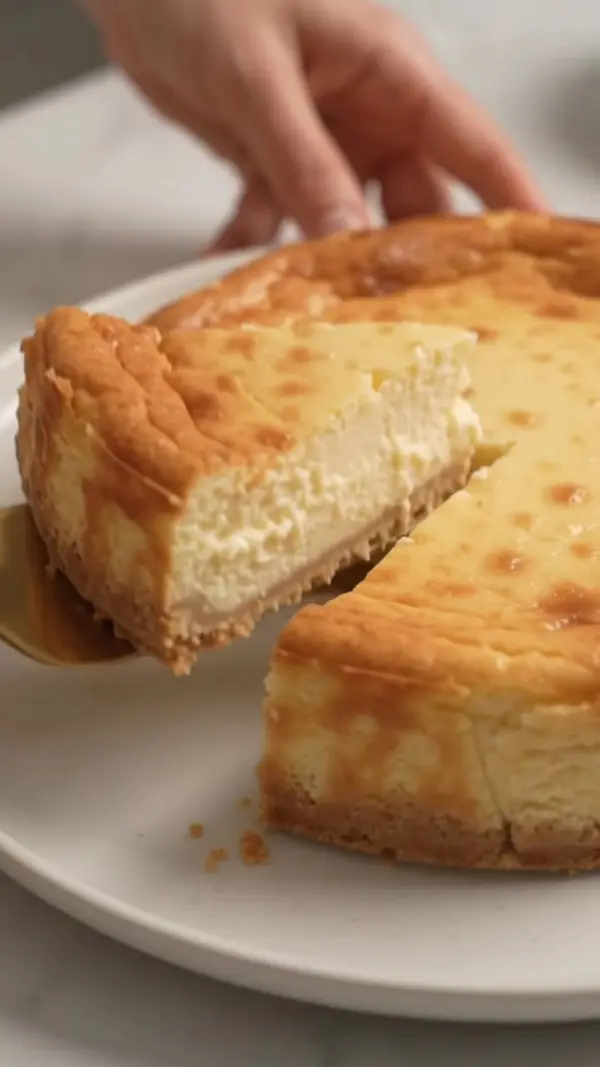
Step 4: Place the pan on the middle rack of a preheated oven set to 320°F (160°C). Bake for 35‑40 minutes, watching for a light golden hue around the edges. The center should feel set but still give a tiny wobble when the pan is gently shaken.
Step 5: Turn the oven off and leave the cheesecake inside for 5 minutes; this gentle cooling helps prevent cracks. Then remove the pan and set it on a wire rack.
Step 6: Let the cheesecake cool to room temperature for about 20 minutes. The parchment overhang lets you lift the whole cake out without breaking the delicate sides.
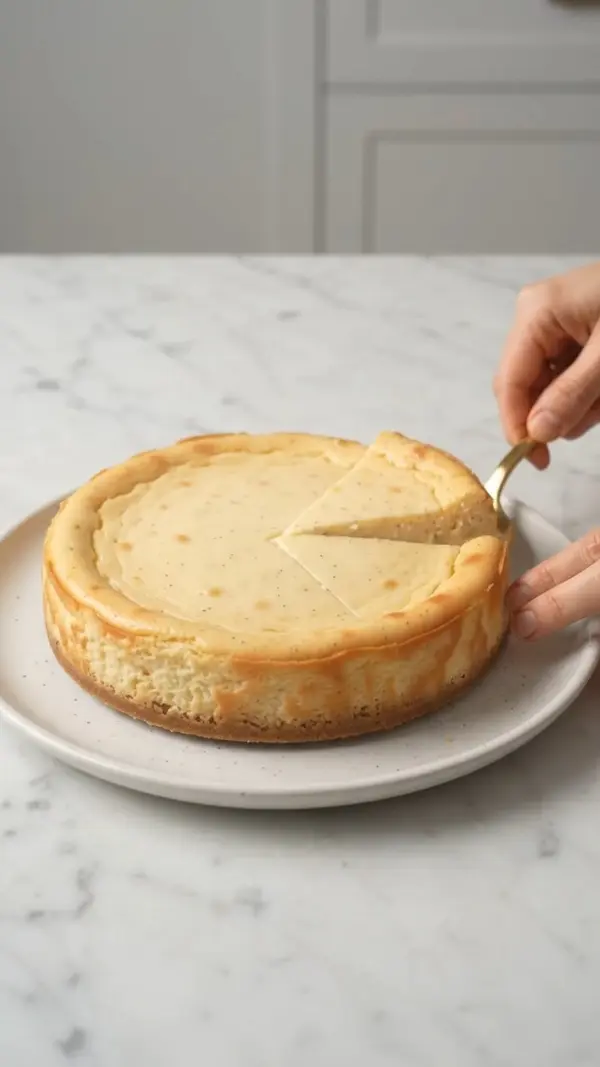
Step 7: Transfer the cooled cake to a serving plate. Using a sharp knife, slice radially into wedges—four to six slices work well for a standard pan.
Step 8: Serve the slices plain or with a dusting of powdered sugar. For a touch of fruit, pair with fresh berries or a drizzle of jam.
Common Mistakes and How to Fix Them
Over‑whisking the batter can incorporate too much air, causing the top to puff and then collapse; whisk just until smooth.
Baking at a temperature higher than 320°F (160°C) browns the edges too quickly and leaves the center undercooked; use an oven thermometer to verify the heat.
Skipping the parchment lining makes the cake stick, leading to cracked edges; always line the pan.
Removing the cheesecake from the oven too early results in a soggy center; wait until the golden rim appears and the center springs back slightly.
Cutting the cake while it’s still warm can cause crumbling; allow it to cool fully before slicing.
Storing the cake uncovered dries the surface; wrap tightly with plastic wrap.
Swaps and Add‑Ons That Still Work
Replace Greek yogurt with full‑fat plain yogurt for a richer texture, but increase cornstarch to 3 tbsp to maintain firmness.
Use almond extract instead of vanilla for a nutty twist; keep the same amount.
Add a tablespoon of lemon zest to the batter for a bright citrus note that complements the vanilla.
Fold in ½ cup of finely chopped toasted almonds after whisking for a subtle crunch without altering the bake time.
Storing Your Cheesecake
After the cake reaches room temperature, cover it tightly with plastic wrap or foil and refrigerate. It stays fresh for up to three days, with the texture remaining creamy. For longer storage, freeze the whole cake wrapped in a double layer of parchment and a freezer bag; thaw in the refrigerator overnight before serving. The cheesecake can be reheated briefly in a 300°F (150°C) oven for five minutes to restore a soft, warm interior.
Topping Ideas and Pairings for Your Cheesecake
Serve each slice on a plain white plate to showcase the pale golden top. A light dusting of confectioners’ sugar adds visual appeal without changing flavor. Pair with a dollop of whipped cream or a spoonful of fresh fruit compote for extra contrast. This cheesecake also works as a base for a simple chocolate drizzle—just melt a few squares of dark chocolate and drizzle in a zig‑zag pattern.
Questions About Four Ingredient Vanilla Cheesecake
Related Recipes
If you enjoy this four‑ingredient version, you might also like our 3‑Ingredient Baked Vanilla Bean Cheesecake, which adds a vanilla bean for extra depth. For a truly minimalist dessert, check out the 3‑Ingredient Cheesecake that uses cream cheese instead of yogurt.