Step‑by‑Step Method
Step 1: Place the peeled bananas in a large mixing bowl and mash them with a fork until no large chunks remain. The smoother the mash, the more even the batter will be. Step 2: Crack the two eggs directly over the banana mash. Let the shells fall away and give the mixture a quick stir so the yolks and whites blend with the fruit.
Step 3: Sprinkle the dark chocolate buttons over the banana‑egg mixture. The buttons will begin to soften as the batter warms later. Step 4: Add the Greek yogurt to the bowl. Its thickness helps bind the batter while keeping it moist. Step 5: Using a spoon, stir everything together for about 30 seconds. Keep mixing until the batter looks uniform and glossy, with no visible banana or yogurt streaks.
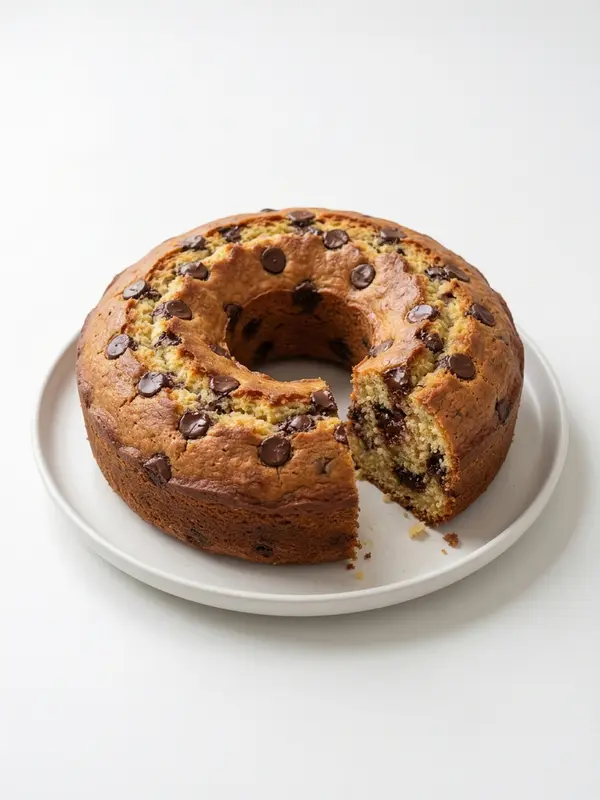
Step 6: Transfer the smooth batter into a medium‑sized saucepan that fits snugly on your stovetop. A 2‑quart saucepan works well and gives the cake a shallow depth. Step 7: Place the saucepan over medium heat and let the batter cook for 8‑10 minutes. Watch the edges; when they turn a light golden brown and the center begins to firm, the cake is done. Step 8: Test the texture by pressing a fingertip lightly into the center.
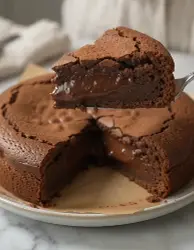
It should bounce back slightly but not feel wet. If it feels too soft, give it another minute. Step 9: Remove the saucepan from the heat and let the cake sit for two minutes. This rest allows the crumb to set fully. Step 10: Using a serving fork, cut a triangular slice and slide it onto a plate. Serve warm or let it cool to room temperature for a firmer slice.
Common Mistakes and How to Fix Them
If the bananas are under‑ripe, the cake can taste bland; always use bananas with brown spots for maximum sweetness. Over‑mixing the batter introduces excess air, leading to a crumb that collapses as it cools—mix just until smooth. Cooking the cake on high heat burns the edges while the center stays raw; keep the temperature medium and watch the color change.
Adding cold Greek yogurt straight from the fridge can cause the batter to seize; let the yogurt sit at room temperature for a few minutes before mixing. Finally, cutting the cake too early can make it crumble; allow the brief resting period before slicing.
Swaps That Still Produce a Great Cake
Replace dark chocolate buttons with an equal weight of chopped semi‑sweet chocolate chips for a slightly sweeter profile. Use plain kefir instead of Greek yogurt for a tangier crumb; the thinner consistency still works because the bananas provide moisture. For a dairy‑free version, swap the yogurt for coconut‑based yogurt; choose a plain variety to avoid coconut flavor overwhelming the chocolate.
If you’re avoiding eggs, blend a quarter cup of unsweetened applesauce with a tablespoon of ground flaxseed; this mimics the binding properties while keeping the cake moist.
Keeping the Cake Fresh and Reheating Tips
The cake keeps well in an airtight container in the refrigerator for up to three days. To serve later, warm a slice in the microwave for 15‑20 seconds; the texture returns to a soft, melt‑in‑your‑mouth state. For longer storage, wrap individual portions in plastic wrap and freeze for up to a month. Thaw overnight in the fridge and reheat gently before serving.
Creative Ways to Plate Your Chocolate Cake
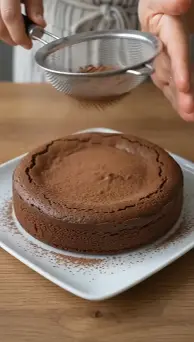
Serve each slice with a dollop of extra Greek yogurt and a drizzle of honey for added richness. A scoop of vanilla ice cream on the warm side creates a classic hot‑and‑cold contrast. For a festive touch, sprinkle toasted almond slivers over the top or dust with cocoa powder. Pair the cake with a strong coffee or a glass of cold milk for a balanced finish.