What to Know Before You Start
Finally, a brief pause after whisking lets the powder activate fully, giving each pancake a gentle rise.
Mixing batter for airy pancakes
Step 1: Crack the egg into a medium mixing bowl, then add the 1/4 cup sugar, a pinch of salt, 1/2 cup milk, 1.5 tbsp oil, and 1 tsp vanilla essence. Step 2: Whisk the wet ingredients together until the mixture looks smooth and the sugar has dissolved, about 30 seconds. Step 3: Sprinkle 1 cup flour and 1 tsp baking powder over the wet mixture.
Step 4: Whisk again, this time just until the batter is free of lumps; a few small specks are fine, and the batter should be pourable but not runny, roughly 45 seconds. Step 5: Let the batter rest for 2 minutes on the counter; this short pause lets the baking powder start to work, creating tiny bubbles that will lift the pancakes.
Step 6: Heat a non‑stick skillet over medium heat (about 350°F (175°C)) and wipe the surface with a lightly oiled paper towel to ensure a thin, even coating. Step 7: Using a 1/8‑cup measure, scoop batter and pour it into the hot pan, spreading gently if needed. Cook until bubbles appear on the surface and the edges look set, about 1 minute 30 seconds.
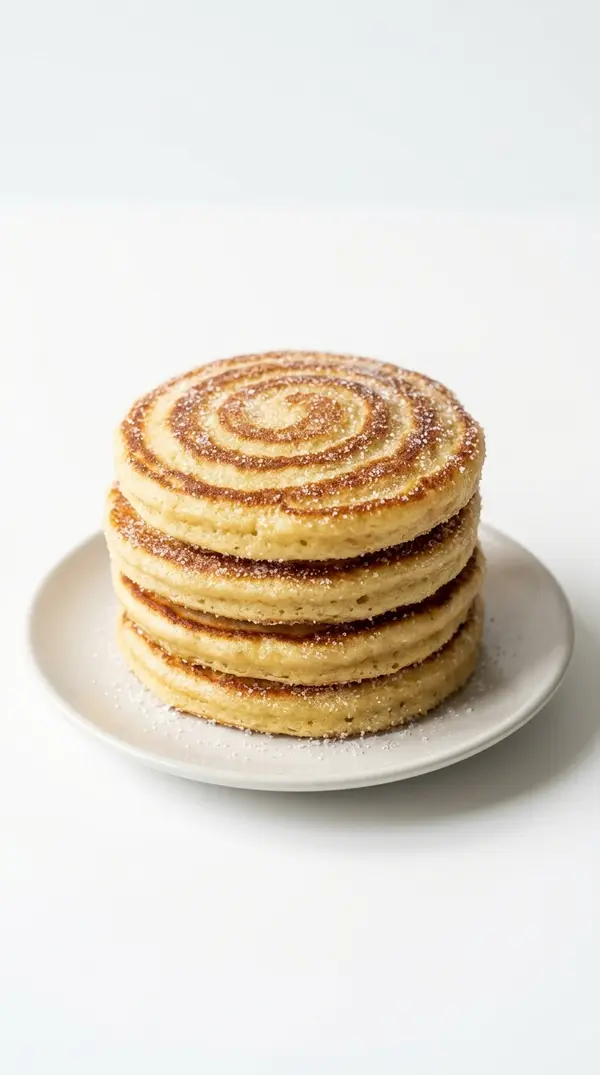
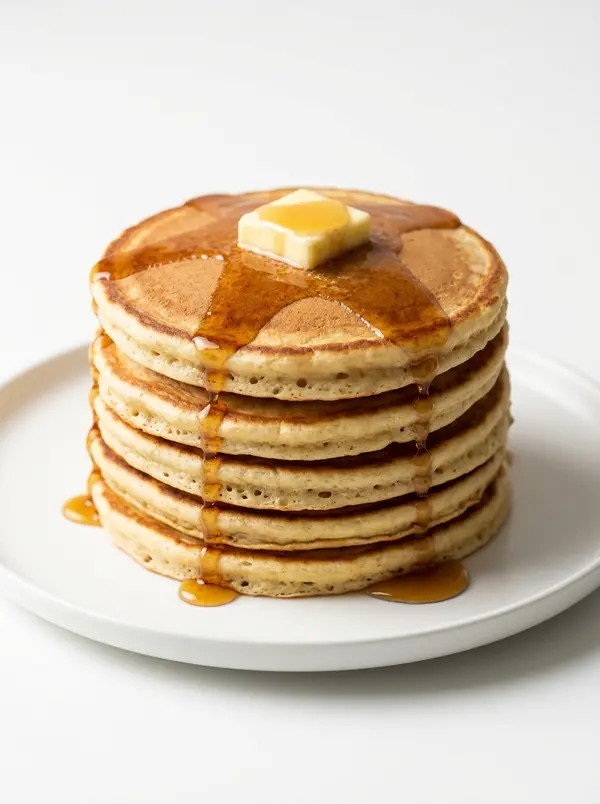
Step 8: Flip the pancake with a thin spatula; the underside should be golden brown. Cook the second side for another 45 seconds until firm and lightly browned. Transfer the pancake to a warm plate. Step 9: Repeat the process with the remaining batter, keeping the skillet at the same temperature. Stack the finished pancakes, place the butter square on top, and drizzle 2 tbsp maple syrup over the stack just before serving.
Avoiding flat pancakes and quick fixes
Batter too thick – If the batter clings to the spoon, add a splash of milk (1‑2 tbsp) and whisk gently; too much liquid will make the pancakes spread.
Pancakes stick to the pan – Ensure the skillet is properly pre‑heated and lightly oiled; a cooler pan causes batter to seize.
Flat pancakes – Over‑mixing destroys the air bubbles; stop whisking as soon as the batter is smooth.
Uneven browning – Adjust the heat to medium‑low if the edges brown before the center sets; a steady temperature gives a uniform color.
Rubbery texture – Using old baking powder reduces lift; replace it if the pancakes fail to rise.
Soggy tops – Let the first side fully set before flipping; the bubbles should burst and the surface become matte.
Swaps and Add‑Ins That Still Work
Whole‑wheat flour – Replace up to half of the all‑purpose flour for a nuttier flavor; the texture stays tender if the batter isn’t over‑mixed.
Almond milk – Use the same amount as dairy milk for a dairy‑free version; the pancakes stay fluffy thanks to the oil.
Cinnamon or nutmeg – Add ¼ tsp of either spice to the dry ingredients for a warm aroma without changing the rise.
Blueberries – Sprinkle a handful onto each pancake after pouring the batter; they cook into the surface and add a burst of juiciness.
Storing Leftover Pancakes and Reheating
If you have leftovers, let the pancakes cool completely, then place them in an airtight container. Store in the refrigerator for up to 2 days. To reheat, warm a single pancake in a dry skillet over medium heat for 30 seconds per side, or microwave for 20 seconds.
For longer storage, freeze the stack on a parchment sheet, then transfer to a freezer bag; they reheat well from frozen in a toaster oven for 5‑7 minutes.
Creative Toppings for Your Pancake Stack
Serve the stack on a warmed plate, butter melting into the crevices, then drizzle the maple syrup evenly. A side of fresh berries adds a bright contrast, and a dollop of Greek yogurt offers a creamy tang.
For a savory twist, top with a fried egg and a drizzle of hot sauce.
Pancake FAQ – Your Questions Answered
How do I know when the pan is the right temperature?
A few drops of water should sizzle and evaporate within a second. If the drops dance and disappear quickly, the skillet is ready for batter.
Can I make the batter ahead of time?
Yes, you can whisk the wet and dry components together, cover, and refrigerate for up to 12 hours. Give the batter a gentle stir before cooking; it may thicken slightly.
What if I don’t have vanilla essence?
Replace it with an equal amount of maple extract or omit it entirely; the pancakes will still be sweet and fluffy.
Is it okay to use melted butter instead of oil?
Melted butter works, but it can brown faster, so keep the heat a bit lower to avoid a burnt flavor.
How many pancakes does this recipe make?
Using a 1/8‑cup measure yields about 8‑10 medium‑sized pancakes, enough for 2‑3 servings depending on appetite.
Related Breakfast Inspiration
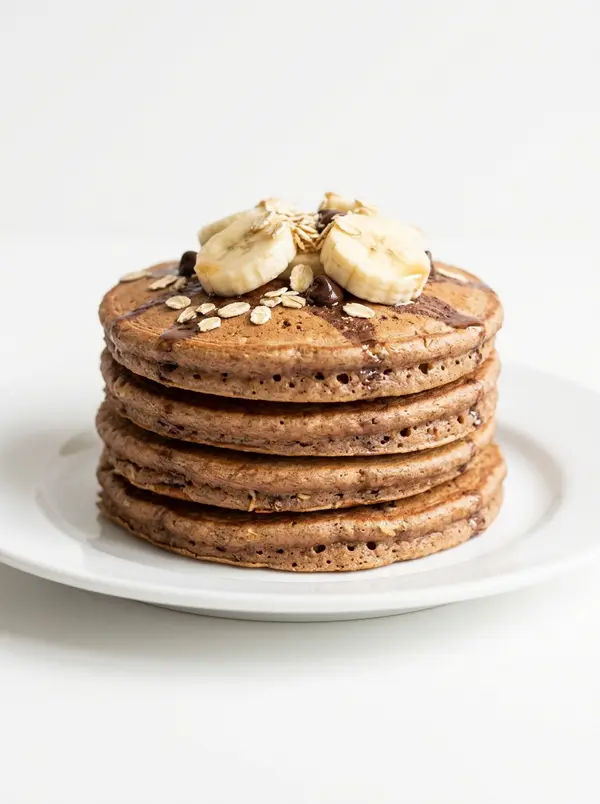
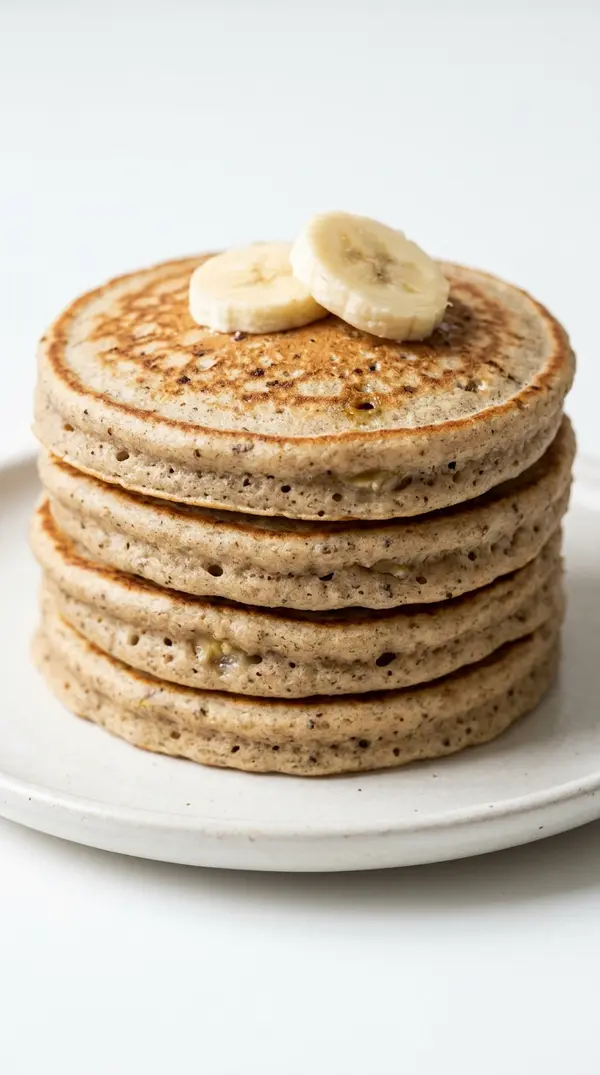
If you enjoy this classic stack, try our Homemade Pancakes for a fruit‑filled twist, or explore the Golden Banana Pancake for extra caramel notes.