Step‑by‑Step Method
Step 1: Place the Greek yogurt into a large mixing bowl and let it sit for a minute to soften slightly.
Step 2: Add the three cracked eggs directly into the yogurt, allowing the yolks and whites to mingle.
Step 3: Sprinkle the sugar evenly over the yogurt‑egg mixture, creating a light dusting that will dissolve as you whisk.
Step 4: Pour the espresso into the bowl, letting the dark liquid swirl through the pale base.
Step 5: Using a handheld whisk or electric mixer, beat the contents vigorously for about two minutes, or until the batter turns a smooth, pale beige and thickens slightly.
Step 6: Line a 9‑inch springform pan with parchment paper, ensuring the paper hangs over the sides for easy removal later.
Step 7: Transfer the batter into the prepared pan, smoothing the top with a spatula to an even layer.
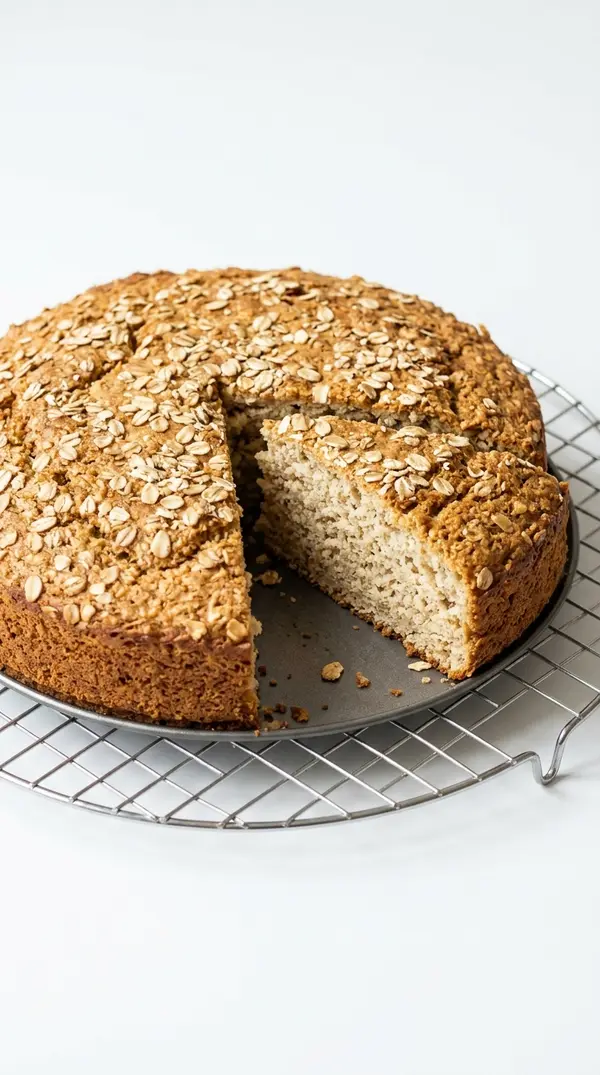
Step 8: Bake in a preheated 350°F (175°C) oven for 20‑25 minutes, watching for a golden‑brown edge and a lightly firm surface. The cake is done when a toothpick inserted near the center comes out clean or with just a few moist crumbs.
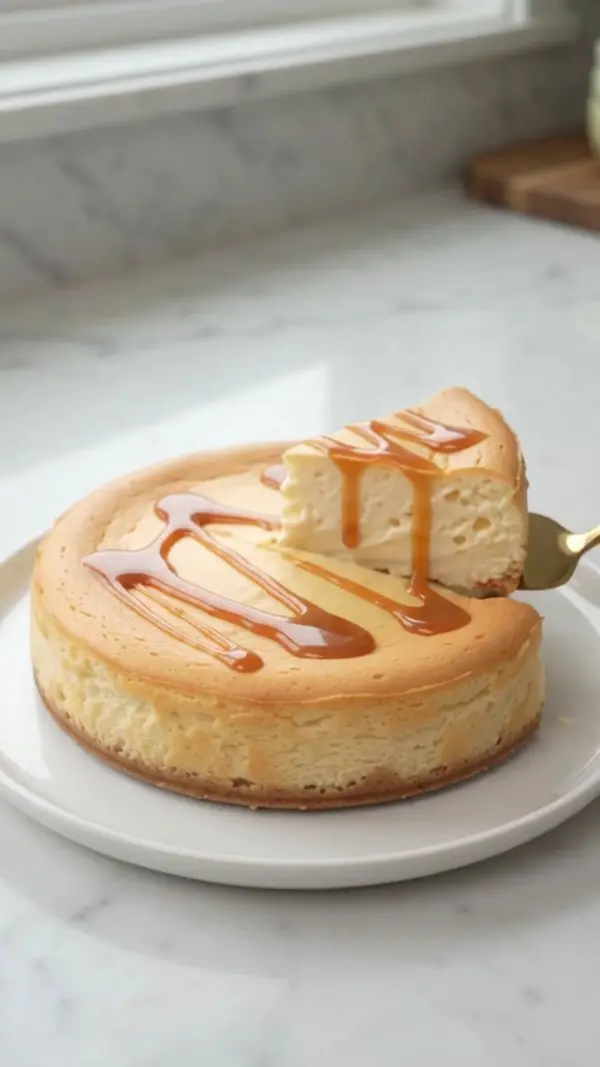
Step 9: Remove the cake from the oven and let it cool in the pan for five minutes, then drizzle caramel sauce over the top while the surface is still warm.
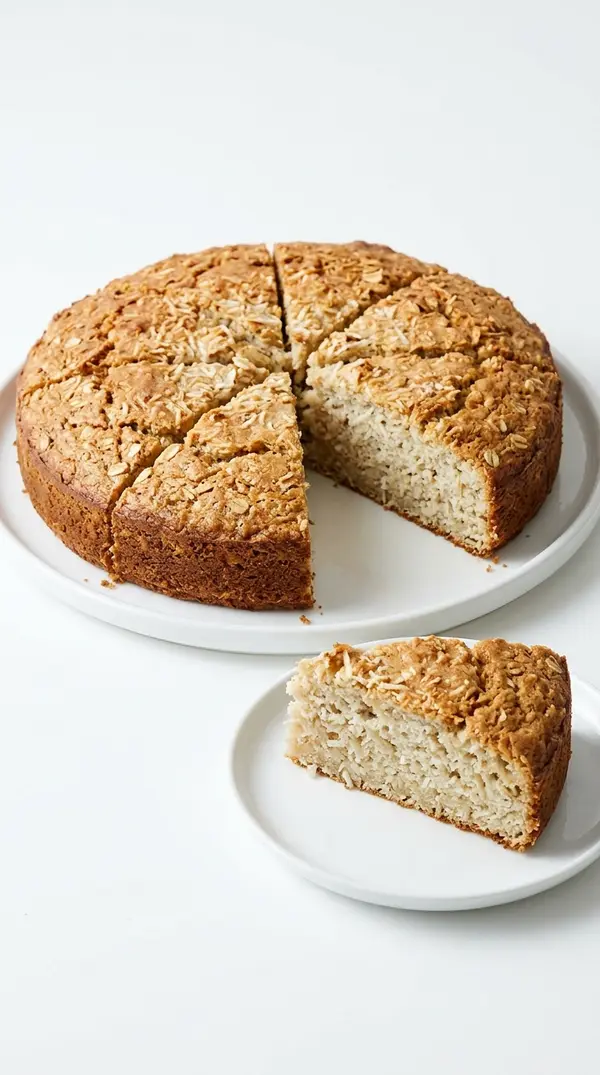
Step 10: Cut a wedge, gently lift it out using the parchment overhang, and serve while slightly warm or at room temperature.
Common Pitfalls and How to Fix Them
If the batter looks streaky instead of smooth, continue whisking a little longer; the extra air will blend the colors into a uniform beige. A cake that rises too quickly and then collapses usually means the oven temperature was too high, so verify your oven’s calibration before baking. When the top stays pale and doesn’t brown, extend the baking time by two to three minutes, but keep a close eye to avoid over‑drying.
If the cake sticks to the pan, the parchment may not have been positioned correctly; ensure the paper fully covers the bottom and sides. A dry crumb often results from over‑mixing after the espresso is added; stop whisking as soon as the batter is smooth. Finally, if the caramel drizzle pools at the bottom, let the cake cool a bit longer before adding the sauce so the surface sets slightly.
Simple Swaps That Keep the Cake Delicious
Replacing Greek yogurt with regular plain yogurt works, though the crumb will be a touch less dense. You can swap sugar for an equal amount of coconut sugar for a subtle caramel note without changing the texture. For a dairy‑free version, use a thick coconut‑based yogurt and a plant‑based milk egg replacer, adjusting the whisking time to ensure proper aeration. Adding a teaspoon of vanilla extract alongside the espresso gives a rounded flavor profile while keeping the coffee forward.
Keeping Your Espresso Yogurt Cake Fresh and Warm
Once the cake has cooled completely, cover it loosely with foil and store it in the refrigerator for up to three days; the yogurt keeps the crumb moist. For longer storage, wrap individual slices in plastic wrap and freeze for up to one month; thaw at room temperature before serving. To warm a slice, microwave for 15‑20 seconds or place it in a 300°F (150°C) oven for five minutes, which revives the caramel glaze.
Ways to Plate and Pair This Coffee Yogurt Cake
Serve the espresso yogurt cake with an extra drizzle of caramel and a dusting of powdered sugar for a simple presentation. Pair it with a glass of cold milk or a splash of cold brew for a coffee‑centric brunch. Cut the cake into small wedges for a tea‑time bite, or stack two slices with a thin layer of mascarpone for an indulgent mini‑torte.
Espresso Yogurt Cake Questions
How do I know when the cake is fully baked?
Look for a golden‑brown edge and a lightly firm surface. Insert a toothpick near the center; it should emerge clean or with just a few moist crumbs. The cake will also spring back gently when pressed lightly.
Can I use instant coffee instead of espresso?
Yes, dissolve a tablespoon of instant coffee in 30 ml of hot water to mimic the espresso’s strength. This substitution provides the same deep coffee flavor without needing an espresso machine.
What type of caramel works best for the drizzle?
A store‑bought caramel sauce works fine, but a homemade caramel made from butter, brown sugar, and a splash of cream adds a richer, buttery note that complements the yogurt’s tang.
Is a springform pan necessary, or can I use a regular cake pan?
A springform pan makes removal easy because the sides release without damaging the delicate crumb. If you only have a regular round pan, line it with parchment and let the cake cool completely before inverting it onto a plate.
How can I make this cake gluten‑free?
The recipe already contains no wheat flour, so it is naturally gluten‑free. Just ensure that the sugar and caramel sauce you use are certified gluten‑free, as some processed brands may contain trace gluten.