
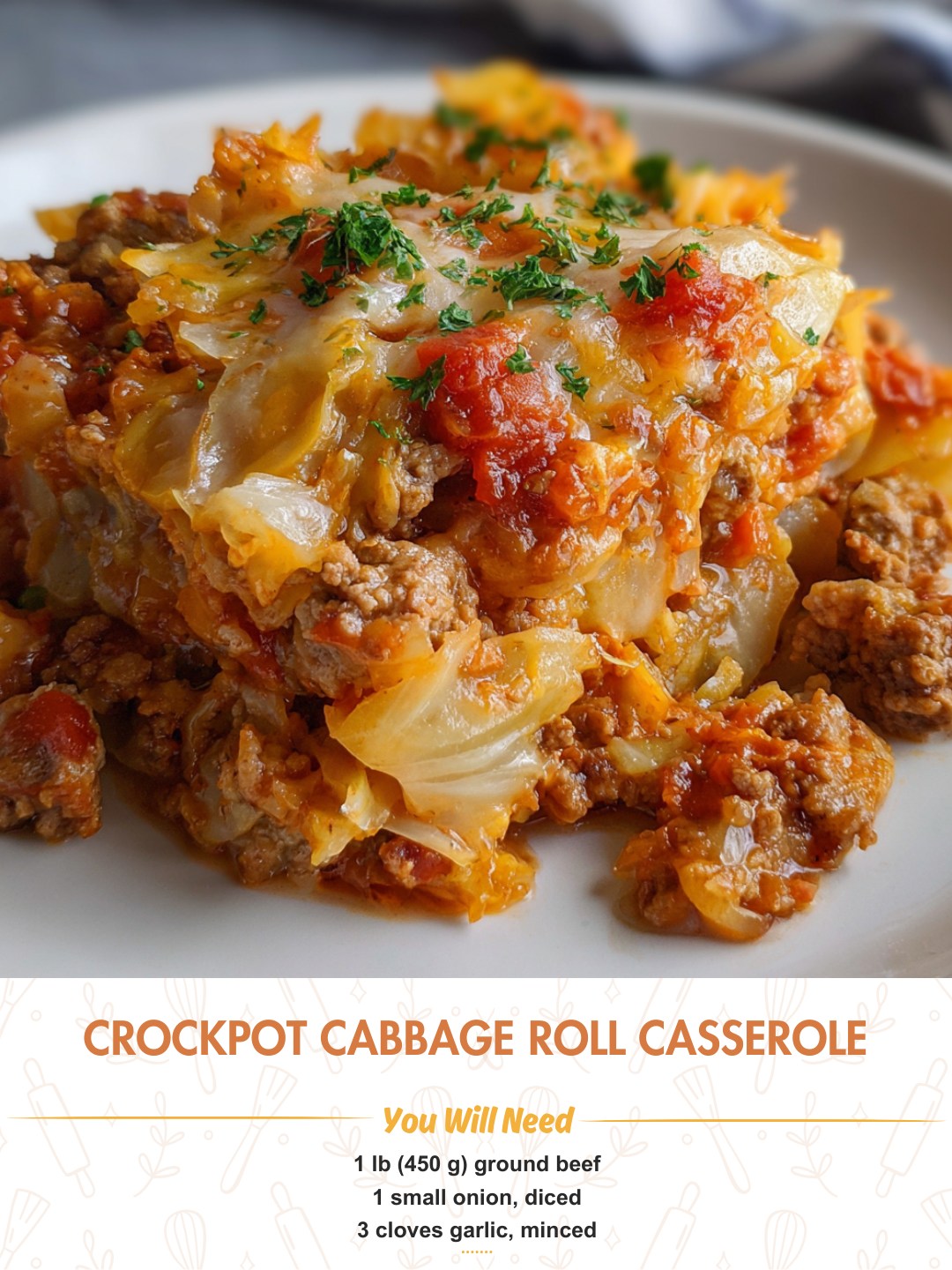
Another error is over-stirring during cooking. This casserole is designed to be layered and left alone. If you stir it while it’s cooking, you break up the cabbage layers, disturb the rice, and can make the whole thing mushy. Trust the process. The only stir should be the gentle one at the very end to combine everything before serving. I learned this after a too-frequent peeking session resulted in a broken-down texture.
Do not skimp on the cooking liquid. The rice needs that full amount of broth and tomato sauce to cook properly. If you’re worried it looks too wet at the beginning, don’t be. The rice and cabbage will absorb a tremendous amount of liquid. I made a batch once where I accidentally used only one cup of broth, and the rice on top was still crunchy after 7 hours. Measure your liquids accurately.
Finally, avoid cooking this on the HIGH setting in an attempt to speed things up. High heat will cause the bottom layer to potentially burn and the cabbage to overcook and lose all texture before the rice is done. The low-and-slow method is essential for even cooking and perfect tenderness. If you’re short on time, consider browning the meat and chopping the veggies the night before, so all you have to do is layer and go in the morning.
Serving Suggestions
I love serving this casserole right from the slow cooker crock, family-style. It’s incredibly satisfying on its own, but I always offer a few toppings to make it special. A big dollop of cool sour cream or Greek yogurt is my non-negotiable addition—the creamy tang cuts through the richness beautifully. A sprinkle of fresh chopped parsley or dill adds a bright, fresh note, and a little extra black pepper is always welcome.
For a complete, cozy meal, I serve it with a side of crusty bread or soft dinner rolls to soak up every last drop of the delicious sauce. A simple, crisp green salad with a sharp vinaigrette is the perfect counterpart to the hearty, savory casserole. It balances the meal and adds a refreshing crunch.
Leftovers are arguably even better the next day, as the flavors continue to meld. I often pack it for lunch, and it reheats like a dream. It’s one of those magical dishes that tastes like it took love and time, but secretly, your slow cooker did all the work.
Variations & Customizations
This recipe is wonderfully adaptable. For a lighter version, you can use ground turkey or chicken instead of beef. For a vegetarian twist, swap the ground beef for two cans of drained and rinsed lentils or a plant-based ground “meat” alternative, and use vegetable broth. The lentils hold up beautifully in the slow cooker.
You can play with the grains, too. While white rice is classic, brown rice can be used for a whole-grain option. Because it’s chewier and absorbs more liquid, you may need to add an extra 1/2 cup of broth and extend the cooking time by about an hour on low. I’ve also seen a version using cauliflower rice for a low-carb option, added in the last hour of cooking so it doesn’t disintegrate.
Feel free to adjust the spices to your taste. A pinch of red pepper flakes adds a nice warmth. Some people love adding a tablespoon of brown sugar to the sauce to balance the tomatoes’ acidity. For a different herb profile, try using an Italian seasoning blend in place of the individual dried herbs.
How to Store, Freeze & Reheat
Storing leftovers is easy. Once cooled, I transfer the casserole to an airtight container. It will keep in the refrigerator for up to 4 days. The flavors continue to develop, making the leftovers something to look forward to. The cabbage may release a bit more liquid upon cooling; that’s normal.
This casserole freezes exceptionally well, making it a fantastic meal-prep option. I portion it into freezer-safe containers or bags once completely cool. It will keep for up to 3 months. To reheat from frozen, I thaw it overnight in the refrigerator and then warm it in a saucepan over medium-low heat, adding a splash of broth or water if it seems dry. You can also reheat it from frozen in the microwave, using the defrost setting and then heating in intervals, stirring in between.
The best way to reheat refrigerated portions is in the microwave for convenience, or in a covered oven-safe dish at 350°F until heated through. If it seems a bit dry after storage, a tablespoon or two of water or broth mixed in before reheating will bring back the perfect saucy consistency.
Conclusion
This Crockpot Cabbage Roll Casserole is more than just a recipe to me; it’s my ticket to cozy, comforting, and hassle-free dinners that feel like a warm embrace. It’s the dish I make when I want to feed my family something nourishing and deeply satisfying without being tied to the kitchen. I hope this recipe brings the same sense of easy warmth to your table, filling your home with its wonderful aroma and your belly with its hearty goodness. Now, go chop that cabbage, and let your slow cooker work its magic.