
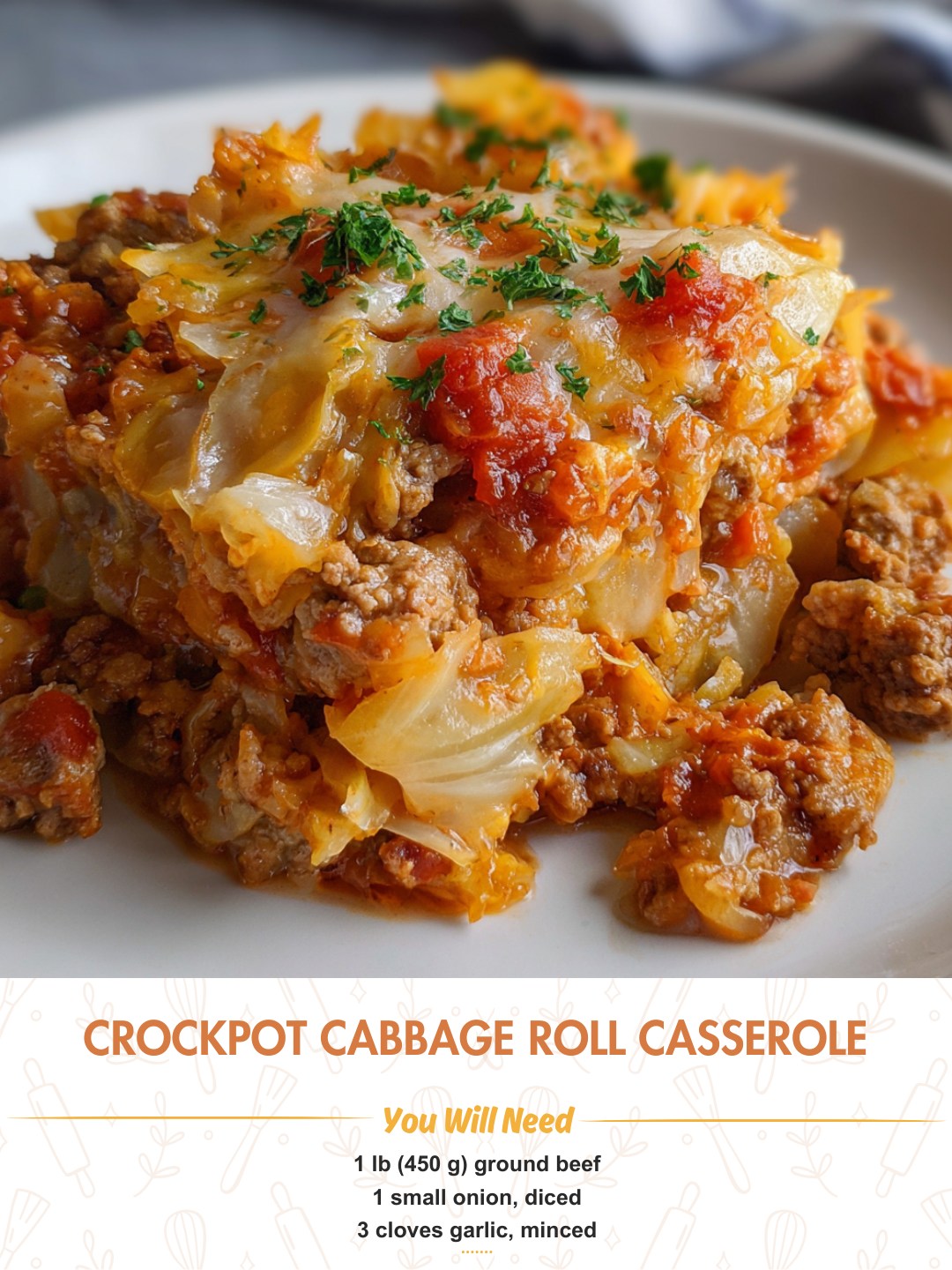
I place the lid on the slow cooker and set it to cook on LOW for 6-7 hours. This is not a recipe to cook on HIGH; the cabbage and rice need the gentle, slow heat to become perfectly tender without turning to mush. I resist the urge to peek for at least the first 4 hours. Every time you lift the lid, you release heat and steam, which can add 20-30 minutes to your cooking time. When it’s done, the rice will be cooked through, the cabbage will be melt-in-your-mouth tender, and the sauce will be thick and bubbly. I remove the bay leaves, give it one gentle stir to combine the layers, and let it sit for 10 minutes to thicken up before serving.
Pro Tips for Best Results
I tested the rice three different ways: pre-cooked, uncooked added at the beginning, and uncooked added halfway through. Adding uncooked rice at the beginning with the full cooking time was the clear winner. It absorbs all the wonderful tomato and beef flavors as it cooks, becoming incredibly flavorful. Pre-cooked rice just gets mushy, and adding it later is a hassle and risks uneven cooking. Just be sure to use long-grain rice for the best texture.
Here’s what I learned the hard way about cabbage size: if you chop it too finely, it will completely disintegrate during the long cook. You want hearty, 1-inch pieces. They will soften and wilt but still retain some texture and body, giving the casserole a wonderful heartiness. I once used thinly shredded cabbage thinking it would be easier to eat, and it vanished into the sauce, making the whole dish more of a sloppy porridge. Chunky is the way to go.
For the richest flavor, don’t skip the step of browning the beef and onions. That Maillard reaction (the browning) creates a deep, savory base that you just can’t get from adding raw beef to the pot. I also sometimes deglaze the skillet with a splash of the beef broth after browning, scraping up all those tasty browned bits, and pour that liquid gold right into the slow cooker. It’s a tiny extra step that adds a big flavor payoff.
Common Mistakes to Avoid
My biggest first-time mistake was using the wrong type of rice. I used minute rice, thinking it would cook faster and be more convenient. It turned into a gummy, sticky mess that absorbed all the liquid too quickly, leaving the bottom layer dry and overcooked. Always use a standard, long-grain white rice like jasmine or basmati. They have the starch content and structure to withstand the long cook and absorb liquid at the perfect rate.(See the next page below to continue…)