Step‑by‑Step Method
Step 1: Step 1: Place 300 g cottage cheese in a large mixing bowl. Let it sit for a minute so the cheese loosens and is easier to whisk.
Step 2: Step 2: Crack two whole raw eggs directly into the bowl with the cottage cheese. The eggs will act as the binder that holds the cheesecake together during baking.
Step 3: Step 3: Drizzle two tablespoons of honey over the cheese‑egg mixture. The honey adds a natural sweetness and helps the top develop a light caramel hue.
Step 4: Step 4: Whisk the combination vigorously for about thirty seconds, or until the batter turns smooth and a pale yellow color appears. You’ll hear a faint, airy sound as air is incorporated.
Step 5: Step 5: Line a 6‑inch springform pan with parchment paper, allowing the paper to hang over the sides for easy removal later.
Step 6: Step 6: Pour the smooth batter into the prepared pan, spreading it evenly with a spatula. The batter should fill the pan to just below the rim.
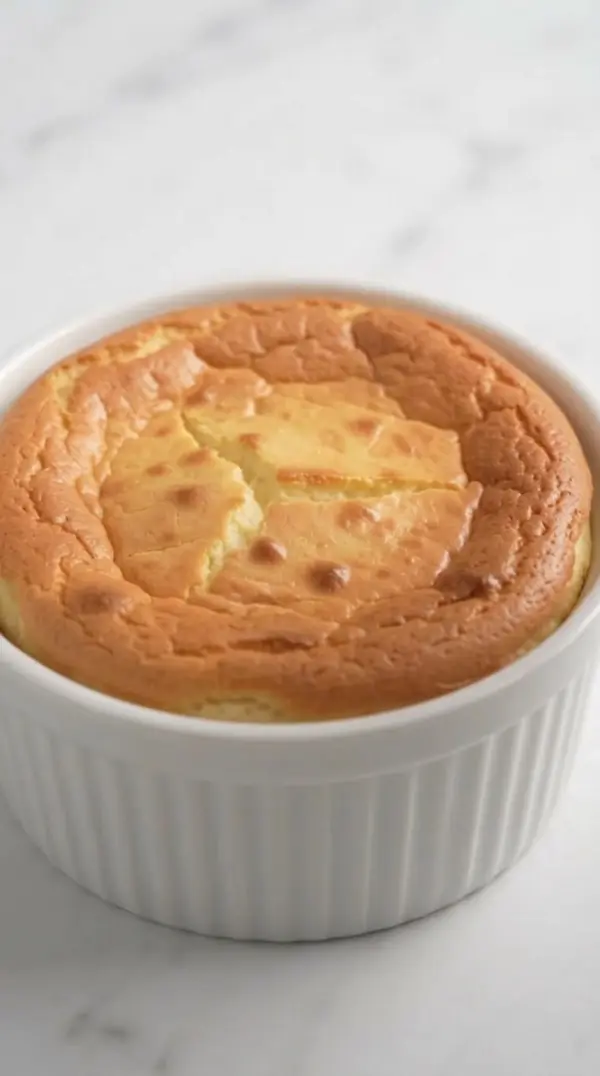
Step 7: Step 7: Preheat your oven to 350°F (175°C). Once hot, place the pan on the middle rack and bake for eight to ten minutes, or until the edges are lightly golden and the center springs back gently when pressed.
Step 8: Step 8: Remove the cheesecake from the oven and let it sit in the pan for two minutes, then run a thin knife around the edge to release any sticking.
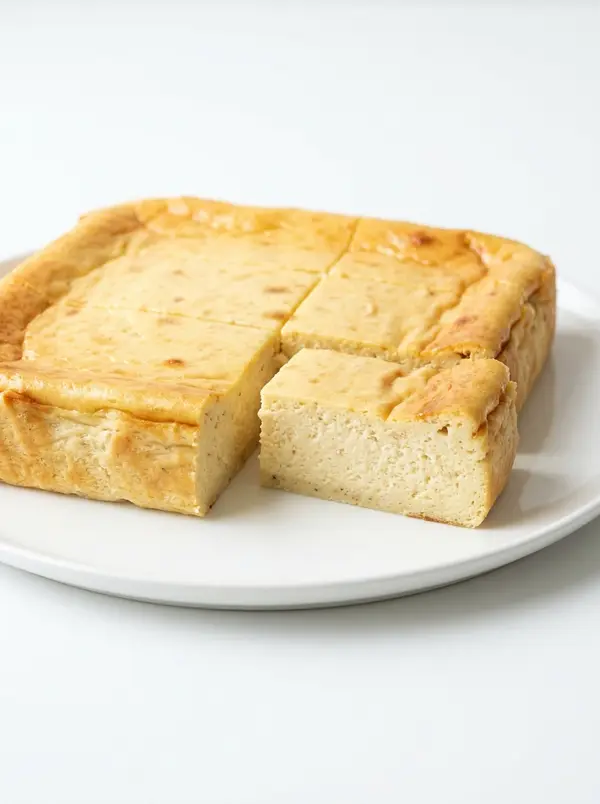
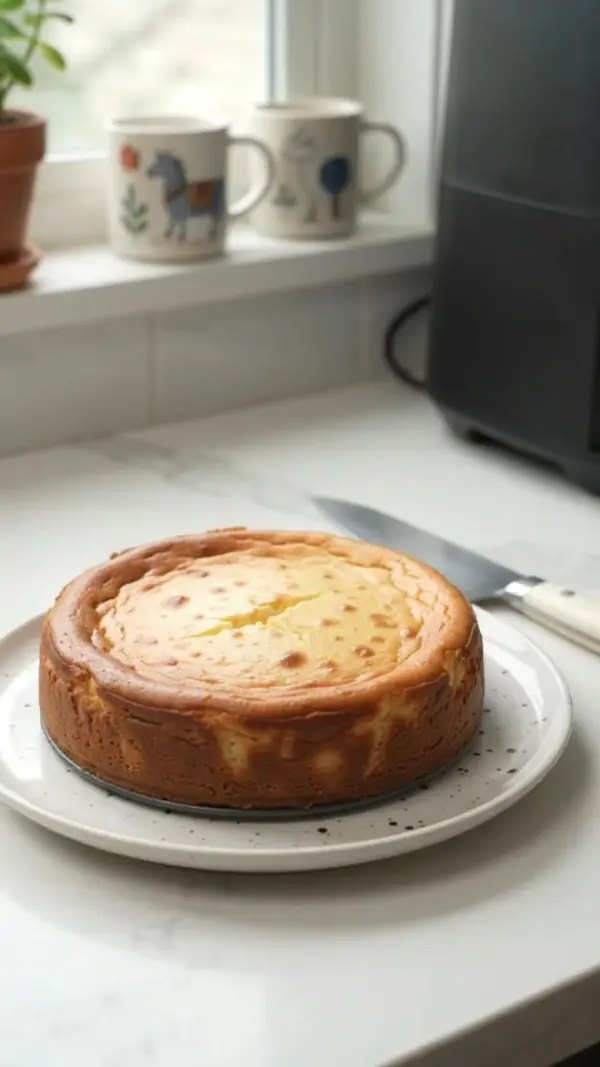
Step 9: Step 9: Transfer the whole cheesecake onto a white serving plate, letting it rest for another five minutes so it finishes setting.
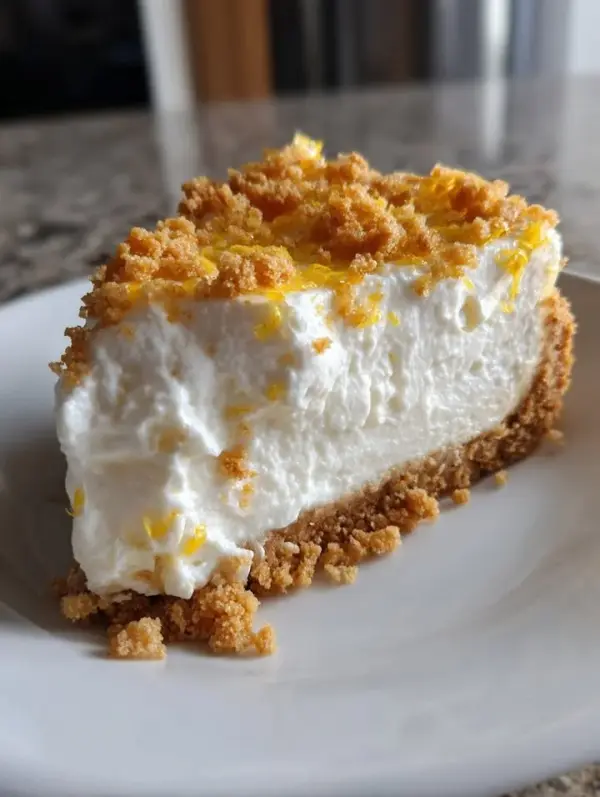
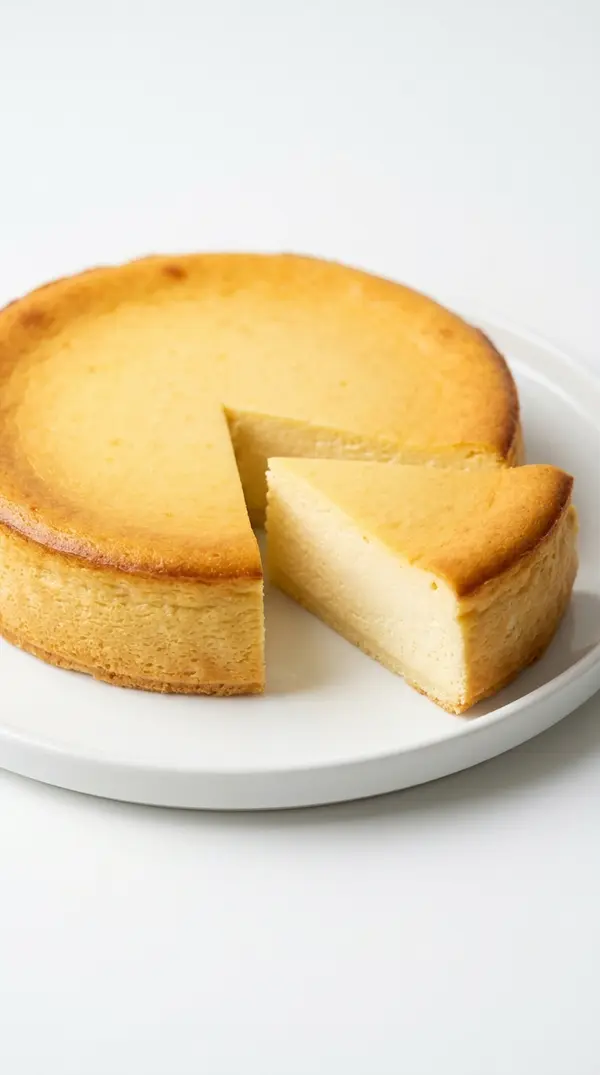
Step 10: Step 10: Cut a clean wedge with a sharp knife, lift it with a cake server, and present the slice while it’s still slightly warm for the best texture.
Common Mistakes and How to Fix Them
A batter that looks watery usually means the cottage cheese wasn’t fully blended; give it another short whisk or pulse it briefly in a processor before adding eggs. Over‑baking creates a dry top; keep a close eye on the color and pull the cheesecake out as soon as the edges turn golden.
If the center stays liquid after the suggested time, extend baking by two‑minute increments, checking the spring‑back test each time. Cracks often appear when the oven temperature is too high; using a lower temperature of 325°F (165°C) can prevent sudden expansion. A crumbly slice typically signals that the eggs were cold; let them sit at room temperature for fifteen minutes before whisking.
Swaps and Add‑Ins That Still Work
Replacing honey with agave nectar keeps the sweetness level while offering a milder flavor profile. Adding a teaspoon of vanilla extract during whisking introduces a warm aroma without altering the set. For a citrus twist, stir in a tablespoon of orange zest; the zest brightens the tang of the cottage cheese. If you prefer a firmer texture, increase the eggs to three; the extra protein will give the cheesecake a denser bite.
Keeping Your Cottage Cheese Cheesecake Fresh and Warm
The cheesecake cools quickly and can be covered with plastic wrap, then refrigerated for up to three days. For longer storage, slice the cake, wrap each piece in parchment, and freeze for up to a month. To serve from the freezer, let a slice thaw at room temperature for fifteen minutes; a quick microwave burst of ten seconds revives a warm, creamy mouthfeel.
Creative Ways to Plate and Pair This Cheesecake
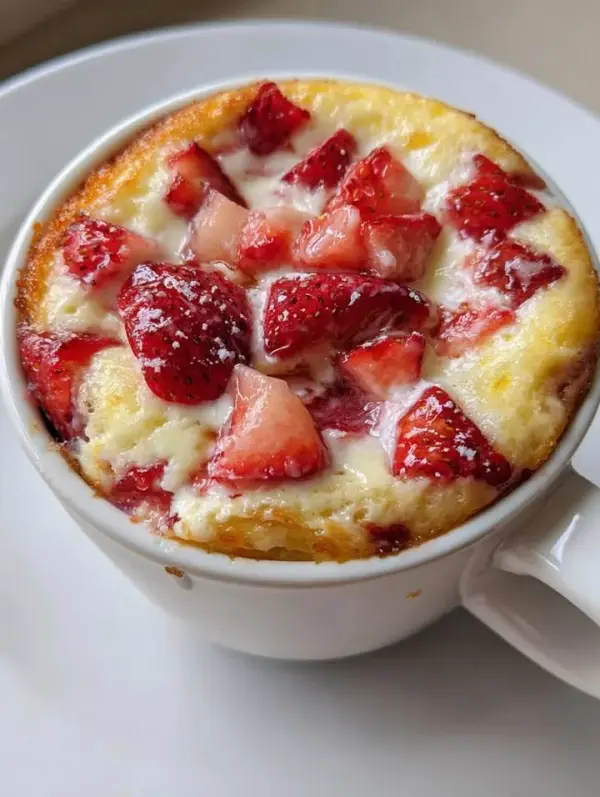
A single wedge pairs nicely with fresh berries or a drizzle of extra honey for added shine. For a richer presentation, top the slice with a spoonful of 2-Ingredient Cottage Cheese Mousse or a dollop of lightly sweetened whipped cream. The light texture holds up well alongside a cup of tea or a cold glass of milk, making it a satisfying end to any meal.
Cottage Cheese Cheesecake Questions
How do I prevent the cheesecake from sinking in the middle?
A sinking center usually means the batter was under‑mixed or the oven temperature dropped. Whisk until the mixture is fully smooth and pale, and bake in a fully preheated 350°F (175°C) oven without opening the door mid‑bake.
Can I use a different pan size?
A 6‑inch springform pan yields the ideal thickness for this recipe. Using a larger pan will make the cake thinner and may require a shorter bake, while a smaller pan could cause the batter to overflow. Adjust bake time accordingly if you change the pan size.
Is it safe to use raw eggs in this cheesecake?
The brief baking time brings the interior to a safe temperature, but if you prefer fully cooked eggs, you can increase the bake to twelve minutes or use pasteurized eggs.
What if I don’t have parchment paper?
A lightly greased springform pan works as a substitute, but the cheesecake may stick slightly around the edges. Let the cake cool completely before attempting to lift it, and run a thin knife around the perimeter to ease removal.
How does this recipe differ from a traditional cream‑cheese cheesecake?
Cottage cheese offers a lighter, slightly grainy texture compared with the dense cream cheese base. The honey provides natural sweetness, and the three‑ingredient list keeps the preparation quick, making it a less rich alternative that still satisfies a cheesecake craving.