
Common Mistakes to Avoid
My first pie had a weeping, soggy bottom because I didn’t blind bake the crust. While some recipes skip it, I’ve found that for this very wet filling, a quick 10-minute pre-bake (also called par-baking) at 375°F with pie weights or dried beans makes all the difference. Don’t skip this step; it creates a protective seal.
Overbaking is the enemy of custard pies. If you wait for the center to be completely firm and not jiggle at all, you’ve gone too far. The residual heat will continue to cook it as it cools. That slight jiggle in the center when you gently shake the pan is your signal to take it out. It will set perfectly as it cools.
Using canned sweet potato puree is a common shortcut, but I strongly advise against it. The flavor is flat and often contains added syrup or preservatives that can throw off the delicate balance of sweetness and spice in this recipe. Fresh, roasted sweet potatoes are the heart and soul of this pie.
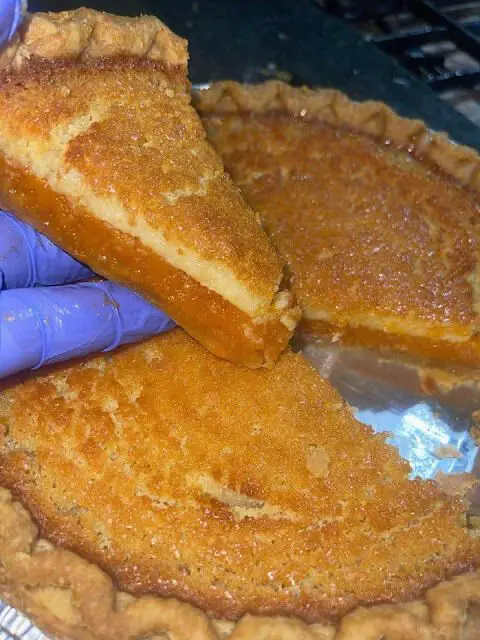
Not letting the pie cool completely before slicing is a recipe for a messy slice. The filling needs a full 3-4 hours at room temperature to set properly. I made the mistake of cutting into a warm pie once, and the filling ran everywhere. Patience rewards you with clean, beautiful slices.
Serving Suggestions
I love serving this pie at room temperature or just slightly chilled. A generous dollop of freshly whipped cream, barely sweetened with a teaspoon of sugar and a hint of vanilla, is the perfect companion. The cool, airy cream against the spiced, silky filling is divine.
For a truly special presentation, I’ll garnish each slice with a few toasted pecans or a light drizzle of salted caramel sauce. The nuttiness or the salty-sweet caramel adds another dimension of flavor and makes it feel incredibly luxurious.
This pie pairs wonderfully with a cup of strong, black coffee or a glass of cold milk. It’s rich enough to stand on its own but not so heavy that it overwhelms. It’s the ideal finale to a holiday meal or a comforting weekend treat.
Variations & Customizations
For a bourbon-kissed version, add two tablespoons of good-quality bourbon to the filling along with the vanilla. It deepens the flavor profile beautifully and adds a wonderful warmth that adults especially love.
You can play with the crust, too. A gingersnap crumb crust is a fantastic alternative to a traditional pastry crust. The spice from the cookies complements the filling perfectly and adds a lovely crunch.
If you love texture, fold ½ cup of toasted, chopped pecans or walnuts into the filling before pouring it into the crust. They add a wonderful contrast to the smooth custard and make the pie even heartier.
How to Store, Freeze & Reheat
Once completely cooled, cover the pie loosely with plastic wrap or foil and store it in the refrigerator. It will keep beautifully for up to 4 days. The flavors actually deepen and meld after a day, making leftovers a real treat.
This pie freezes exceptionally well. Wrap the cooled, unsliced pie tightly in plastic wrap, then in a layer of heavy-duty foil. It will keep for up to 2 months. Thaw overnight in the refrigerator before serving. I do not recommend freezing individual slices, as the texture can suffer.
There is no need to reheat this pie, as it’s best served cool or at room temperature. If you prefer it slightly warm, place a single slice on a plate and warm it in the microwave for only 10-15 seconds. Any longer and you risk breaking down the delicate custard.
Conclusion
Classic Sweet Potato & Buttermilk Pie is more than just a dessert; it’s a celebration of tradition and flavor that feels both nostalgic and new. It has taught me the value of roasting vegetables for dessert and the magic that happens when tangy buttermilk meets sweet, earthy potatoes. This pie has earned its place at my holiday table and in my heart, and I hope it brings the same warmth, delight, and delicious success to your kitchen. Now, go preheat that oven and roast those potatoes—your new favorite pie awaits.