
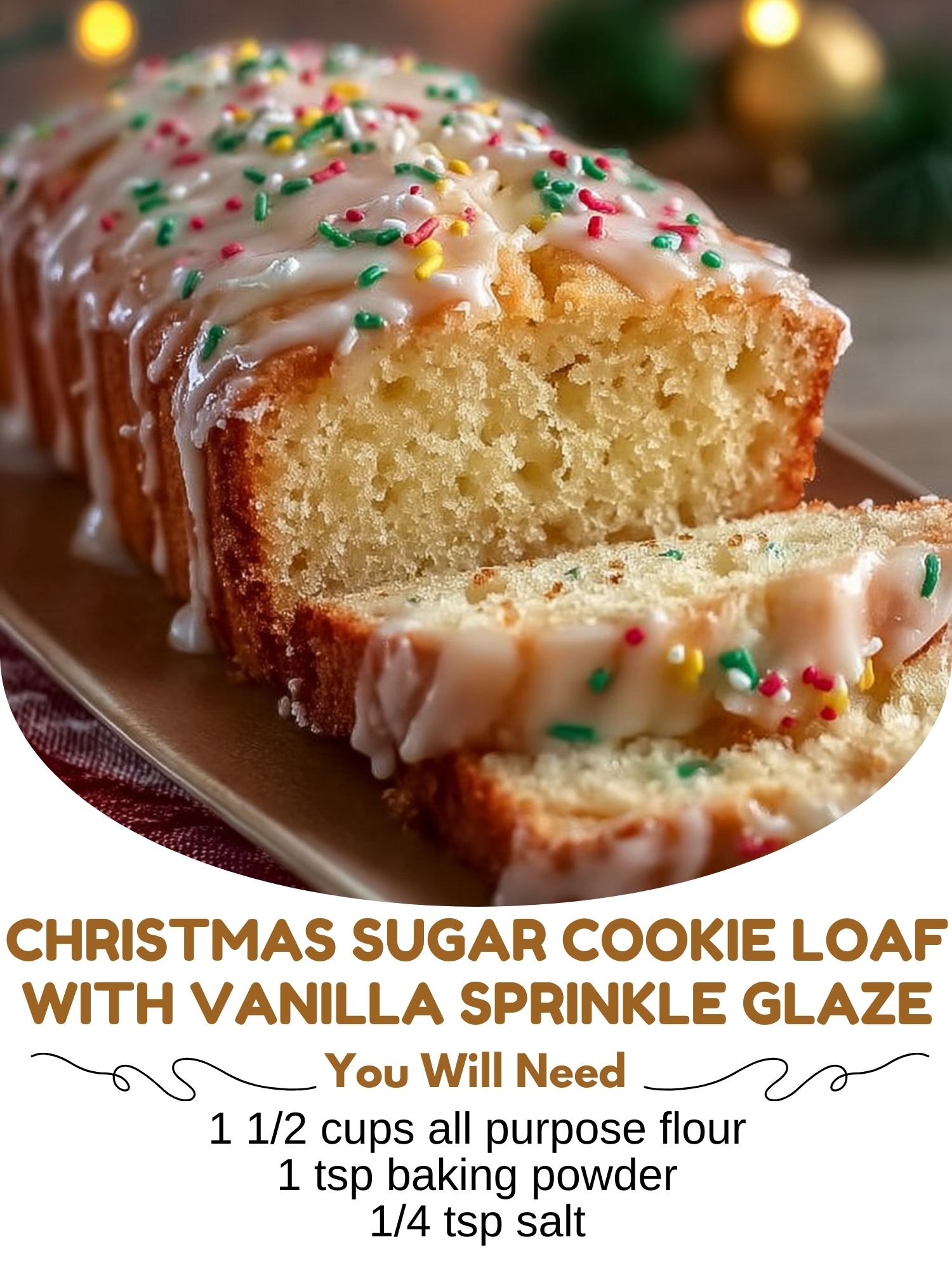
I scrape every bit of this lovely batter into my prepared loaf pan, smoothing the top with my spatula. I give the pan a gentle tap on the counter to settle the batter and remove air pockets. Into the oven it goes, right on the center rack. I bake it for 45-55 minutes. I start checking at 45 minutes with a toothpick inserted into the center; it should come out with a few moist crumbs, not wet batter. The top will be a beautiful golden brown with a delicate crack down the middle. I let it cool in the pan on a wire rack for 15 minutes, then use the parchment sling to lift it out to cool completely before glazing.
Pro Tips for Best Results
My best tip is to not overmix the batter once you add the flour. I tested mixing until just combined, mixing for an extra minute, and mixing until completely smooth. The “just combined” batch was the most tender and had the perfect crumb. The overmixed loaves were tougher and denser. A few tiny streaks are okay; they’ll incorporate as you pour the batter into the pan.
For the perfect crackly top, don’t over-grease your pan. I grease the pan lightly, then line it with parchment. If you use too much butter or spray, the batter can slide down the sides instead of climbing up them as it bakes, preventing that beautiful, classic loaf-top crack.
Let the loaf cool completely before glazing. I was too eager once and poured the glaze over a warm loaf. It melted into a thin, transparent syrup that soaked right in instead of creating that beautiful, opaque, drizzle-able frosting. Patience here gives you a picture-perfect finish.
Common Mistakes to Avoid
The first mistake I made was using cold butter. It wouldn’t cream properly with the sugar, leaving little butter chunks and resulting in a dense, greasy loaf. Your butter should be truly softened—able to hold a fingerprint but not oily. Taking it out an hour before you bake is the single easiest way to ensure success.(See the next page below to continue…)