
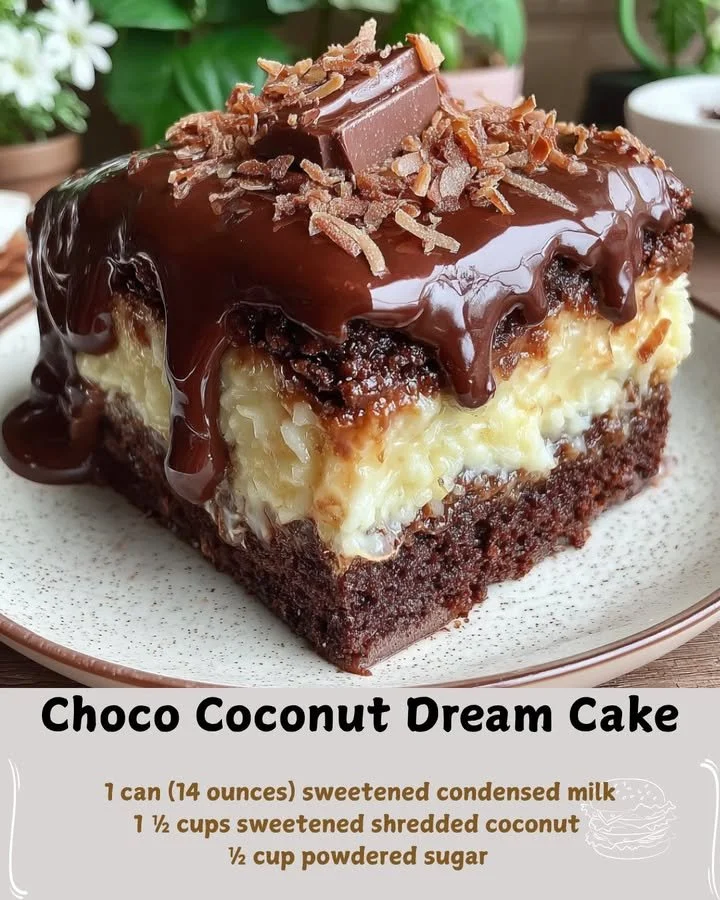
Next, evenly distribute the batter between the two prepared cake pans, spreading it gently to ensure even baking. I love watching the magic happen in the oven as I bake them for about 30-35 minutes, or until a toothpick inserted in the center comes out clean. While that chocolatey goodness is baking, I turn my attention to the coconut frosting. In a large mixing bowl, I beat together butter and powdered sugar until light and fluffy. Adding coconut cream and mixing until it’s beautifully smooth is my favorite part. The smell fills my kitchen, and I know this frosting will be a star on its own!
Once the cakes are done, I let them cool in the pans for about 10 minutes before transferring them to a cooling rack. Here’s a little tip: make sure they are completely cool before frosting; otherwise, the frosting will melt away. After they are cool, I carefully place one layer on my serving plate and spread a generous amount of coconut frosting on top before placing the second layer. I then cover the whole cake with the remaining frosting, letting little bits of coconut peek through. It’s a sight to behold, and my heart skips a beat every time I look at it!
Finally, I add a sprinkle of toasted coconut on top for a perfect finishing touch. Allow the cake to set for a little while to let those flavors mingle. As I slice into the cake, I can hardly wait for that first bite; the moist layers of chocolate paired with the light coconut cream is simply divine.
Pro Tips for Best Results
One thing I’ve learned through testing this recipe is that using high-quality cocoa powder really makes a difference. It enhances the chocolate flavor beautifully. I’ve tried several brands, and honestly, the richer the cocoa, the more decadent your cake will taste! Also, consider using fresh coconut if you have it on hand; grating fresh coconut adds an extra layer of texture and flavor that is hard to resist.
Another pro tip is to let the cake cool completely before frosting—it can be tempting to dive right in, but trust me, a warm cake will melt your frosting. I once frosted a warm cake in excitement, and let’s just say it looked more like a chocolate puddle than a lovely layer cake. Plus, waiting just a little longer makes that first bite even more satisfying!
Lastly, I always double-check my leavening agents, especially the baking powder and baking soda. They can lose their potency over time, leading to a dense cake. A quick “freshness test” is to add a teaspoon of baking soda to vinegar; if it fizzes like crazy, it’s good to go!
Common Mistakes to Avoid
One common mistake I see is not measuring the flour properly. I know this can be tricky; I was once guilty of scooping flour straight into the measuring cup, resulting in a dense cake. Now, I fluff it up first and spoon it into the measuring cup for a perfect ratio every time. (See the next page below to continue…)

