
Common Mistakes to Avoid
The most common mistake is poking the cake when it’s cool. I did this once, thinking I could let it cool first to avoid burning my fingers. The cake just didn’t absorb the sauce the same way; it sat mostly on top, making the bottom layers dry. You must poke and pour while the cake is still very warm, almost hot. The heat helps the cake act like a sponge, pulling that liquid gold down into every nook and cranny.
Another error is under-toasting or over-toasting the pecans. I’ve done both. Under-toasted pecans taste bland and raw, barely adding any flavor. Over-toasted pecans turn bitter and can ruin the whole cake. The sweet spot is when you can smell that rich, nutty aroma filling your kitchen and they’ve turned a uniform golden brown. Stir them constantly in the butter, and as soon as they’re fragrant, take them off the heat. They’ll continue to cook a bit from residual heat in the pan.
Do not substitute the sweetened condensed milk in the praline sauce. I tried making a sauce with just butter, sugar, and cream once, thinking it would be less sweet. The texture was all wrong—it was too thin and didn’t have that signature chewy, fudgy quality that sets this cake apart. The sweetened condensed milk is non-negotiable; it gives the sauce its body and that distinctive, creamy praline character. Trust me on this one.
Finally, rushing the cooling process is a recipe for a soggy, structural disaster. I know it’s tempting to spread on the whipped topping right after adding the sauce, but you have to let the cake sit until it is completely at room temperature. This allows the sauce to fully set within the cake. If you top it while it’s warm, the whipped cream will melt, weep, and create a wet, unappetizing layer. I usually plan to make this cake a few hours ahead, or even the night before, for the best results.
Serving Suggestions
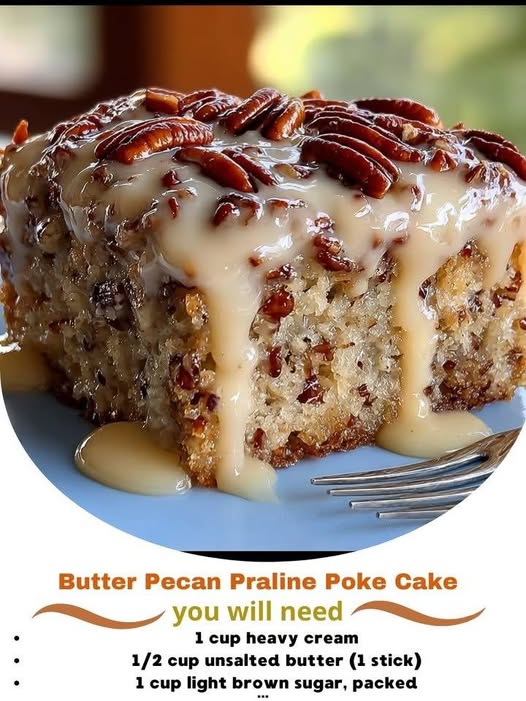
I like serving this cake directly from the pan or, for a neater presentation, lifting the whole cake out using the parchment paper and placing it on a platter. Right before serving, I spread the thawed whipped topping evenly over the cooled cake. Then, I drizzle the remaining reserved praline sauce in artistic swirls over the white topping and sprinkle the rest of the toasted pecans and an extra pinch of flaky sea salt on top. The contrast of white, caramel, and brown nuts is stunning.
For portioning, I use a sharp knife and wipe it clean with a hot, damp cloth between cuts. This gives you those beautiful, clean layers in every slice. I find it’s rich enough that smaller squares are perfect, especially if it’s part of a larger dessert spread. It needs no accompaniment, but a glass of cold milk or a hot cup of coffee with a splash of bourbon in it makes for a perfect pairing.
If I’m feeling extra festive, I’ll serve each slice with a single pecan half or a tiny sprinkle of toffee bits on the side of the plate. It’s such a forgiving dessert for entertaining because you do all the work ahead of time. The flavors actually improve after a few hours in the fridge, making it the ultimate stress-free, make-ahead masterpiece.
Variations & Customizations
If you can’t find a Butter Pecan cake mix, a simple yellow or vanilla cake mix works as a great canvas. To mimic the flavor, I’ll add an extra teaspoon of butter extract and a tablespoon of vanilla pudding powder to the dry cake mix. The toasted pecans in the batter still do the heavy lifting. For a deeper, almost maple-like flavor, I’ve also used a spice cake mix, and it was a wonderful fall variation that my family adored.
The topping is wonderfully adaptable. While I love the convenience of whipped topping for its stability, homemade whipped cream is sublime. I’ll whip one cup of heavy cream with two tablespoons of powdered sugar and a teaspoon of vanilla until stiff peaks form. It’s lighter and less sweet. For a decadent twist, fold a couple of tablespoons of the praline sauce into the whipped cream before spreading it on for a marbled effect.
For a truly over-the-top experience, consider a layer of texture. I sometimes sprinkle a layer of toffee bits (like Heath bits) over the warm praline sauce before it sets. They melt slightly into the gooey layer, adding a wonderful crunch. A friend of mine swears by adding a teaspoon of rum extract to the praline sauce instead of vanilla for a “grown-up” version. The possibilities are endless, so have fun with it!
How to Store, Freeze & Reheat
This cake stores beautifully. I cover the pan tightly with plastic wrap or transfer slices to an airtight container. It keeps perfectly in the refrigerator for up to 5 days. The moisture from the sauce ensures it never dries out. In fact, I think it tastes even better on day two or three, as the flavors have more time to meld together into one cohesive, delicious bite.
You can freeze this cake for longer storage. I freeze individual slices first on a parchment-lined baking sheet until solid (about 2 hours), then wrap each one tightly in plastic wrap and place them in a heavy-duty freezer bag. This way, I can grab a single slice whenever a craving hits. You can also freeze the whole cake (without the whipped topping) by wrapping the pan tightly in a layer of plastic and then foil. It freezes well for up to 2 months.
To thaw, I move individual slices or the whole cake to the refrigerator and let it thaw overnight. I add the whipped topping and final garnishes after it’s fully thawed. I don’t recommend reheating this cake, as the whipped topping will melt. It is truly meant to be enjoyed cold, straight from the fridge, where the textures are at their best—cool, creamy topping over a dense, moist, and flavorful cake.
Conclusion
This Butter Pecan Praline Poke Cake is more than just a list of ingredients; it’s a guaranteed smile-maker, a dessert that feels like a warm welcome. It has never failed me, whether I’m needing a treat for my family or a showstopper for friends. I hope my little lessons learned help you make it perfectly on your first try. Now, go toast those pecans and get ready for the easiest standing ovation you’ll ever receive. Happy baking