Blending and Baking in Three Easy Steps
Step 1: Step 1: Place 1 cup rolled oats into the blender pitcher and pulse for a few seconds until they resemble a fine flour.
Step 2: Step 2: Crack 3 eggs directly into the pitcher, then secure the lid and blend for 10 seconds to combine.
Step 3: Step 3: Add 3 tablespoons yogurt, letting the creamy dairy blend smoothly with the oat‑egg mixture.
Step 4: Step 4: Drizzle 2 tablespoons honey over the blend; the honey will swirl through the batter, adding sweetness and a glossy finish.
Step 5: Step 5: Sprinkle 1 teaspoon baking powder over the surface, then blend on low for another 15 seconds until the batter is uniform and free of lumps.
Step 6: Step 6: Lightly grease a 9‑inch springform pan with a thin layer of oil or butter, then pour the smooth batter in, spreading it evenly with a spatula.
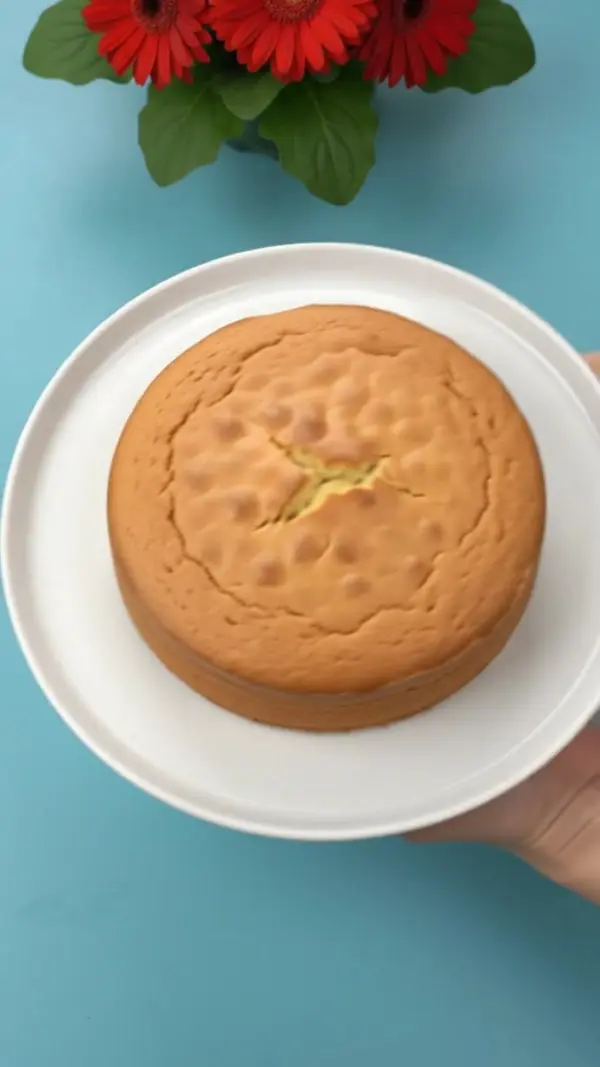
Step 7: Step 7: Slide the pan onto the middle rack of a preheated oven set to 350°F (175°C). Bake for 20 minutes, watching for a golden‑brown crust forming around the edges.
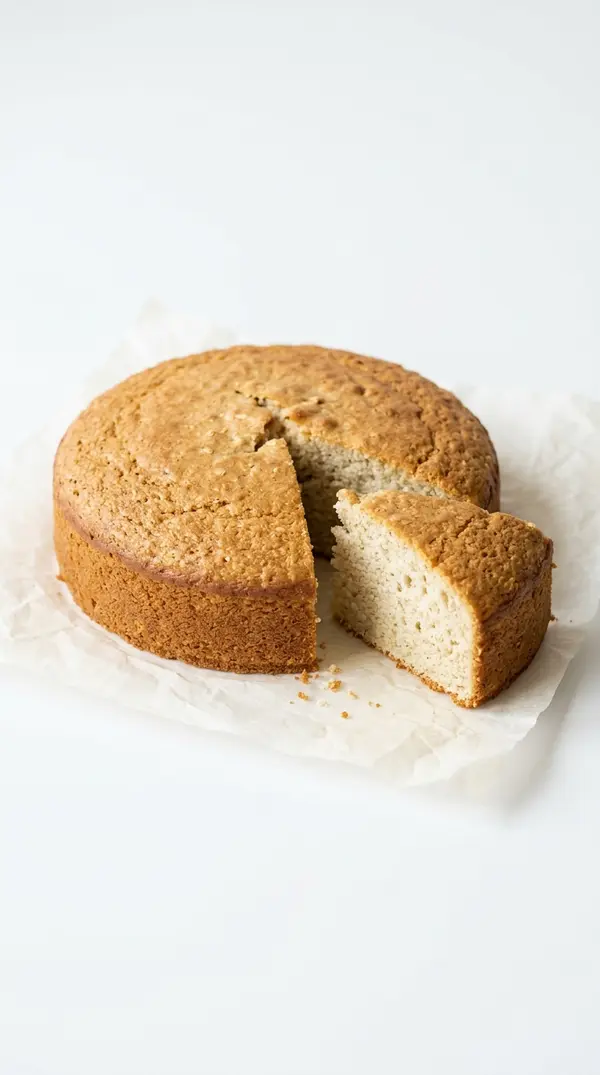
Step 8: Step 8: When the top is lightly browned and a toothpick inserted near the center comes out clean, remove the pan from the oven. Let the cake sit on a cooling board for 5 minutes to set.
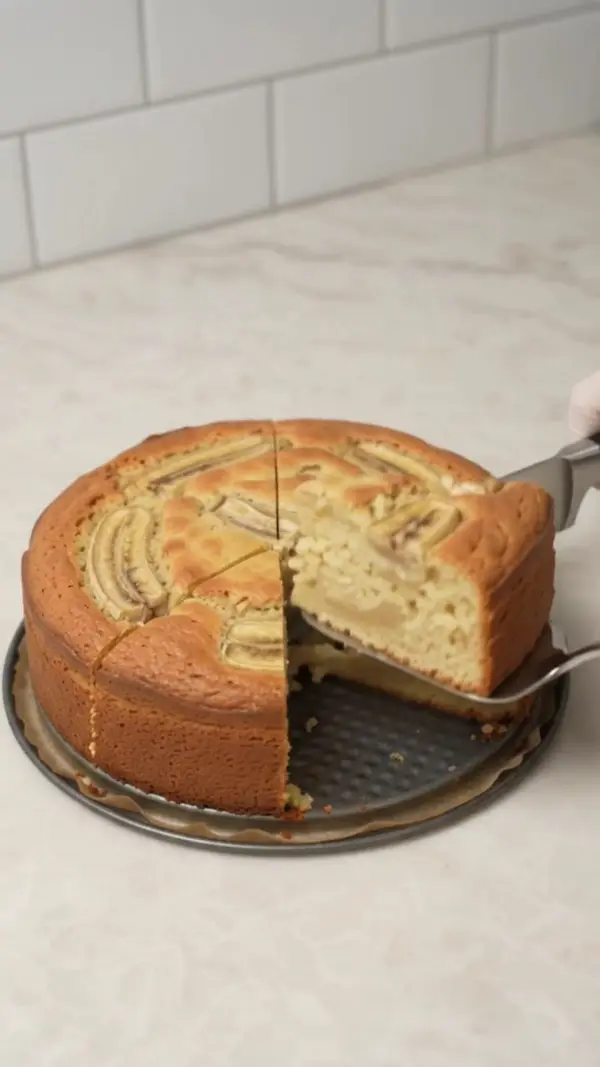
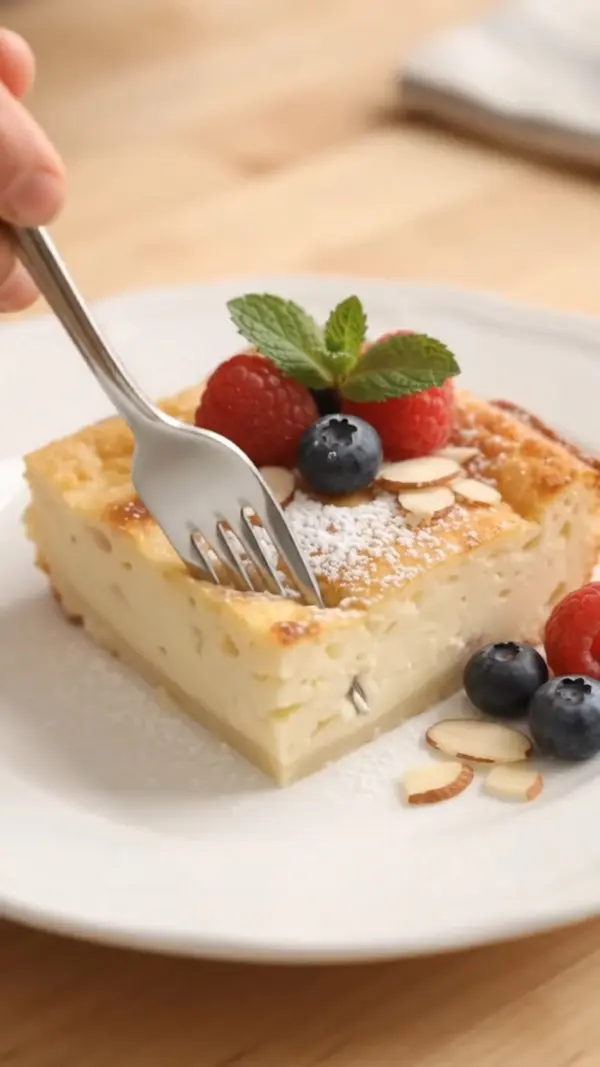
Step 9: Step 9: Run a thin knife around the edge, release the springform, and lift a generous wedge with a cake server to test the crumb; it should be tender and spring back slightly.
Step 10: Step 10: Slice the remaining cake while still warm or let it cool completely before storing.
Common Pitfalls and How to Fix Them
If the oat flour isn’t blended fine enough, the cake can feel gritty; pulse the oats longer before adding wet ingredients. Over‑mixing after the honey is added can incorporate too much air, causing the cake to rise then collapse; blend just until smooth. Baking at a lower temperature than 350°F (175°C) may result in a pale top; always preheat the oven fully.
A pan that’s not greased can cause the cake to stick, making removal messy; a light coating of oil prevents this. If the cake browns too quickly, tent it with foil after the first 12 minutes to finish cooking without burning. Finally, using expired baking powder will prevent proper rise; test it by dropping a bit into warm water—if it fizzes, it’s still active.
Simple Swaps That Still Shine
Replace the rolled oats with oat flour for an even finer crumb, keeping the same volume. Swap yogurt for sour cream to add a richer tang while maintaining moisture. Use maple syrup instead of honey for a different sweet note; reduce the amount by half because syrup is thinner. Add a pinch of ground cinnamon or nutmeg to the dry mix for a warm spice undertone. For a gluten‑free version, use certified gluten‑free oats and ensure the baking powder is also gluten‑free.
Keeping Your Cake Fresh and Warm
Allow the cake to cool completely, then wrap it tightly in plastic wrap and store in the refrigerator for up to three days. For longer storage, slice and freeze individual pieces on a parchment sheet, then transfer to a freezer bag; they keep for up to two months. To reheat, microwave a slice for 15‑20 seconds or warm the whole cake in a 300°F (150°C) oven for 10 minutes, which revives the tender crumb without drying it out.
Ways to Dress Up Each Slice
Serve the cake warm with a dollop of vanilla yogurt for extra creaminess, or drizzle a thin stream of additional honey for a glossy finish. Pair it with fresh berries for a bright contrast, or crumble it over a bowl of milk for a quick breakfast cereal. The cake also works well as a base for a simple parfait layered with fruit and a spoonful of granola.
Blender Oat Honey Cake Questions
How do I know if the oats are blended enough?
Blend until the oats lose all visible grain and the mixture looks like a smooth flour. If you can still see specks, pulse a few more seconds; the batter should be uniformly creamy before adding the remaining ingredients.
Can I use a different pan size?
A 9‑inch springform pan gives the best rise and even browning. If you use a larger pan, the cake will be thinner and may bake faster, so reduce the baking time by 3‑5 minutes and watch for a golden top.
Is it okay to add nuts or dried fruit?
Yes, fold in a quarter cup of chopped nuts or dried fruit after the final blend, before pouring into the pan. This adds texture without affecting the overall structure, but keep the amount modest to avoid weighing the cake down.
What if I don’t have a springform pan?
A regular 9‑inch round cake pan works; just grease it well and line the bottom with parchment paper for easy removal. The cake may need a minute or two longer to set, so check the center with a toothpick.
How long does the cake stay fresh at room temperature?
Because the cake contains yogurt and honey, it’s best kept refrigerated. At room temperature, it will stay soft for about two hours, after which the texture may become overly moist.
For more oat‑based cakes, check out our Fruit Oat Cake and Banana Oat Flour Cake.