Key Prep Insights
Ripe bananas add natural sweetness and moisture, reducing the need for added sugar.
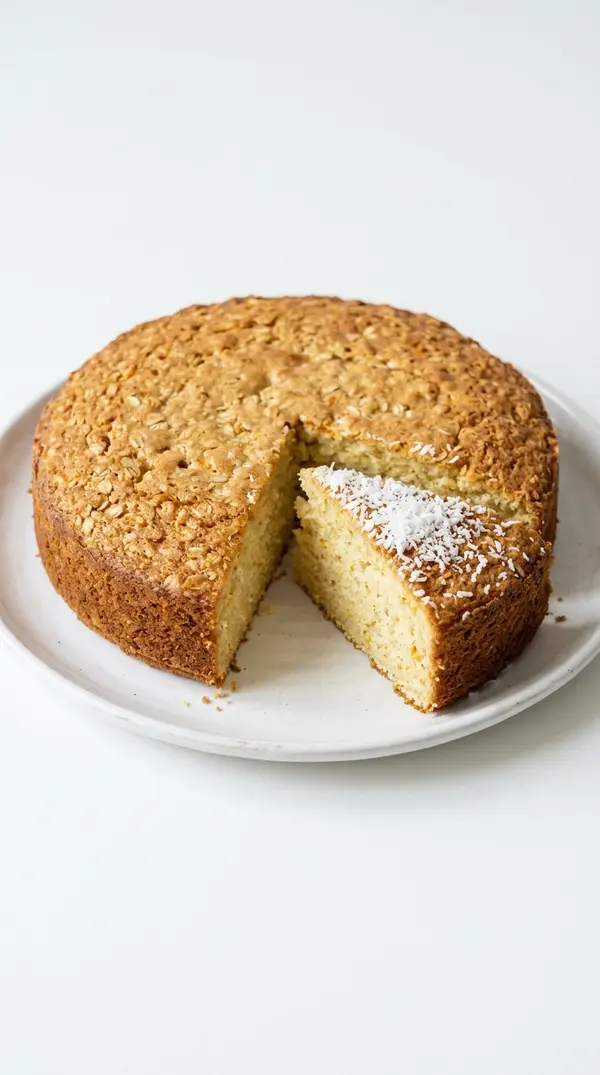
Shredded coconut contributes a subtle crunch and a fragrant tropical note.
The single‑pan method limits cleanup and speeds up the whole process.
The batter’s thickness lets you pour it directly into the pan, eliminating extra mixing steps.
Step-by-Step Baking Process for the Cake
Step 1: Step 1: Place the rolled oats in a blender or food processor. Pulse for about two minutes, or until the oats resemble a fine flour. The texture should be powdery, not gritty.
Step 2: Step 2: Add the peeled bananas, eggs, shredded coconut, and honey to the oat flour. Blend on medium speed for three to five minutes, scraping the sides as needed, until the mixture is thick, uniform, and slightly glossy.
Step 3: Step 3: Lightly grease a 9‑inch round cake pan with butter or oil. Pour the batter into the pan, spreading it evenly with a spatula to the edges. The batter will sit high; it spreads a little as it bakes.
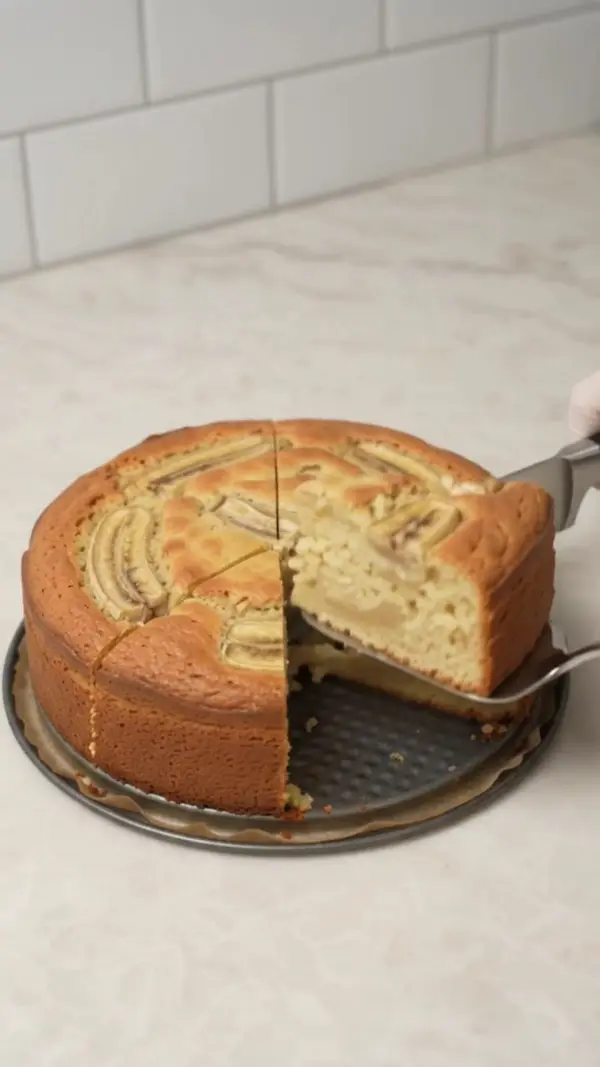
Step 4: Step 4: Preheat the oven to 350°F (175°C). Once the oven reaches temperature, place the pan on the middle rack. Bake for 30 to 35 minutes, rotating the pan halfway through for even browning. The top should turn a deep golden brown and a toothpick inserted near the center should come out clean.
Step 5: Step 5: Remove the cake from the oven and set the pan on a cooling rack. Let it rest for ten minutes; this allows the crumb to firm up and makes slicing easier.
Step 6: Step 6: Run a thin knife around the edge of the pan to release the cake, then invert it onto the rack. Allow the cake to cool completely, about 20 minutes, before cutting.
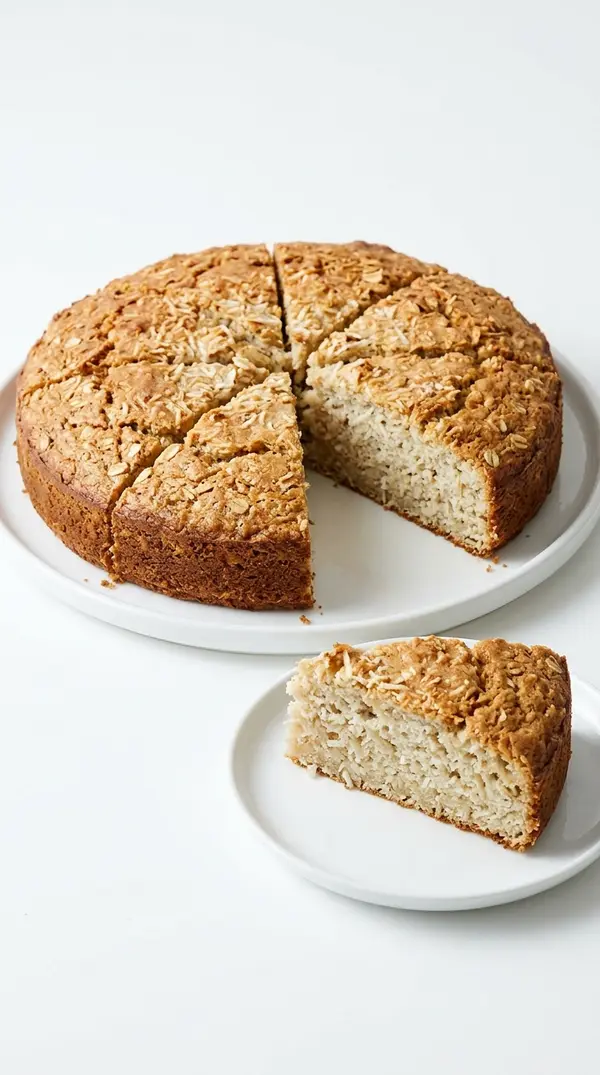
Step 7: Step 7: Slice the cake into wedges of your preferred size. The texture should be tender with a faint coconut chew and a sweet banana aroma.
Step 8: Step 8: Serve a slice on a plate, perhaps with a drizzle of extra honey or a dollop of yogurt if you like contrast. The cake stays moist for hours, making it great for leftovers.
Common Mistakes and Fixes
Over‑blending the oat flour creates a gummy batter; pulse just until fine to keep the crumb light.
Using underripe bananas results in a bland cake; always pick bananas with brown spots for maximum sweetness.
Skipping the greasing step leads to a stuck cake; a light coat of butter or oil ensures easy release.
Opening the oven door early drops the temperature and can cause a dense top; wait until the 15‑minute mark before checking.
Baking too long dries the cake; pull it out when the edges are golden and a tester comes out clean.
Cooling on a plate traps steam and makes the bottom soggy; a wire rack lets air circulate.
Ingredient Swaps That Preserve Texture
Keeping Your Cake Fresh for Days
Store the cooled cake in an airtight container at room temperature for up to three days; the coconut helps retain moisture. For longer storage, slice the cake, wrap individual pieces in plastic wrap, and freeze for up to two months. Thaw slices at room temperature or warm them briefly in a 300°F (150°C) oven for a soft‑fresh feel.
Creative Ways to Serve the Banana Coconut Oat Cake
Serve the cake warm with a spoonful of vanilla yogurt for a breakfast boost, or let it cool completely and pair it with a cup of tea as an afternoon snack. The natural sweetness means you don’t need additional frosting, but a light dusting of powdered sugar adds a decorative touch.
Banana Coconut Oat Cake Questions
How do I know when the oat flour is fine enough?
When you rub a pinch between your fingers, it should feel like powder, not gritty. The blended oats will also settle quickly in the blender, indicating a uniform texture.
Can I use a different pan shape?
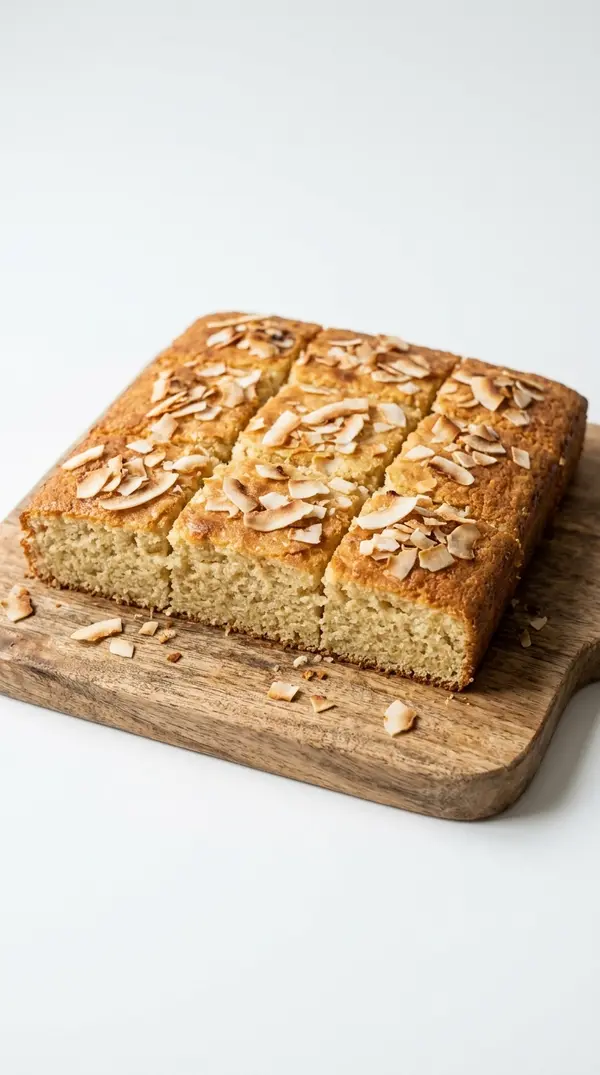
A 9‑inch square pan works, but the bake time may increase by five minutes. Adjust by checking the center with a toothpick; it should come out clean.
What if I don’t have honey?
Maple syrup or agave nectar can substitute honey in equal amounts. The flavor will shift slightly toward a milder sweetness, but the moisture level stays the same.
Is this cake suitable for gluten‑free diets?
Yes, because the only grain used is oats, which are naturally gluten‑free when labeled as such. Ensure your rolled oats are certified gluten‑free to avoid cross‑contamination.
How can I make this cake more kid‑friendly?
Add a handful of mini chocolate chips to the batter before baking, or serve each slice with a drizzle of chocolate syrup. The added sweetness appeals to younger palates while keeping the core recipe intact.