Banana Buckwheat Pancake Perfection Tips
Choose a fresh, yellow banana that yields easily when pressed; over‑ripe fruit can become mushy and affect the batter’s thickness. Buckwheat flour should be sifted to break up any clumps, ensuring a smooth batter. If you prefer a dairy‑free version, substitute the milk with an equal amount of oat or almond milk; the flavor will stay mild and the texture unchanged. A standard large egg works best; smaller eggs may leave the batter a bit thin. For the oil, a neutral‑tasting oil such as canola keeps the pancake flavor focused on the banana and buckwheat.
How to blend the batter without a mixer
Step 1: In a medium bowl, whisk the buckwheat flour, egg, milk, mashed banana, and cinnamon together with a spatula. Stir until the mixture is completely smooth, about 30 seconds, and no flour pockets remain.
Step 2: Heat a non‑stick skillet over medium heat, then add the teaspoon of cooking oil, swirling to coat the surface evenly.
Step 3: Ladle four small rounds of batter onto the pan, leaving a little space between each.
Step 4: Cook for roughly two minutes, watching the edges turn golden and the surface begin to bubble.
Step 5: Flip each pancake with a metal spatula; the second side should brown in another 90 seconds.
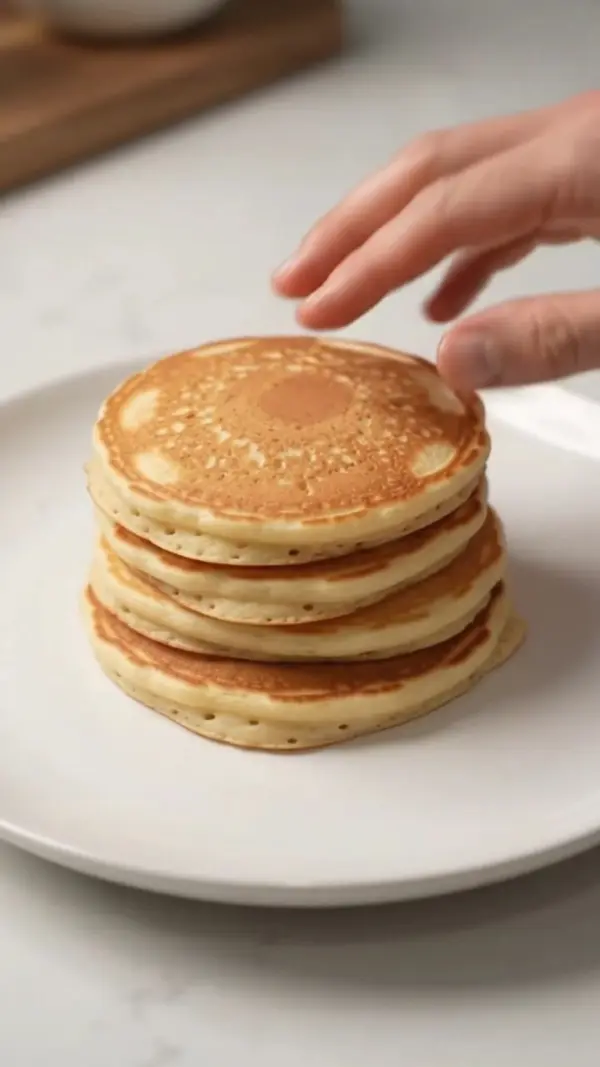
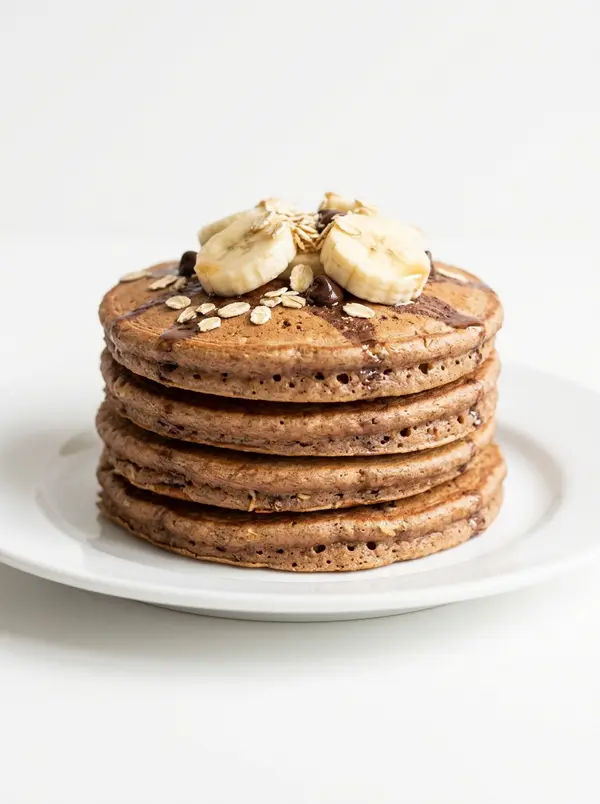
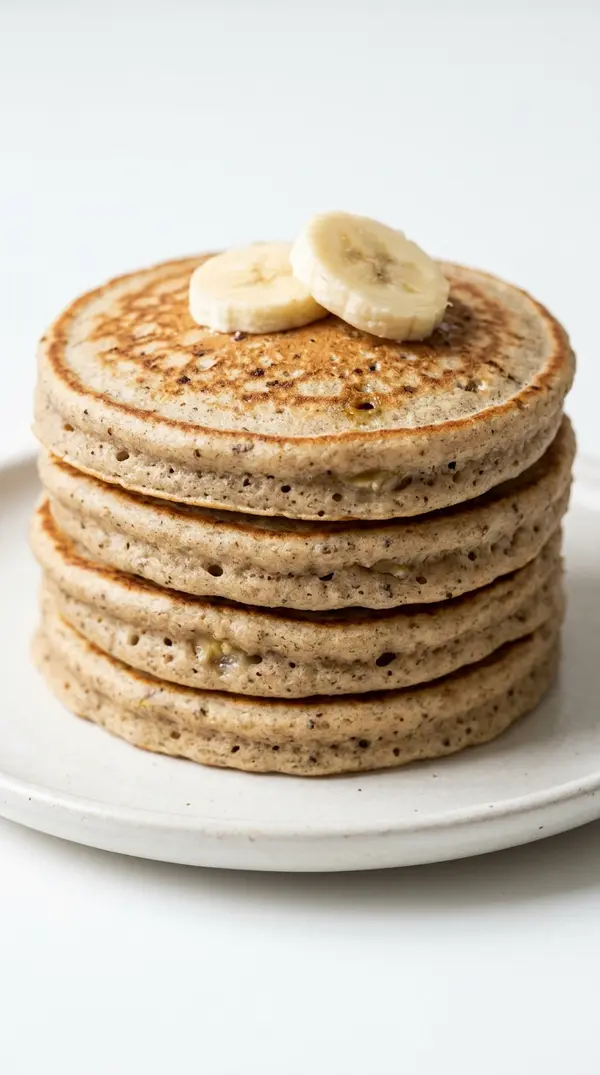
Step 6: Transfer the cooked pancakes to a plate, stacking them neatly.
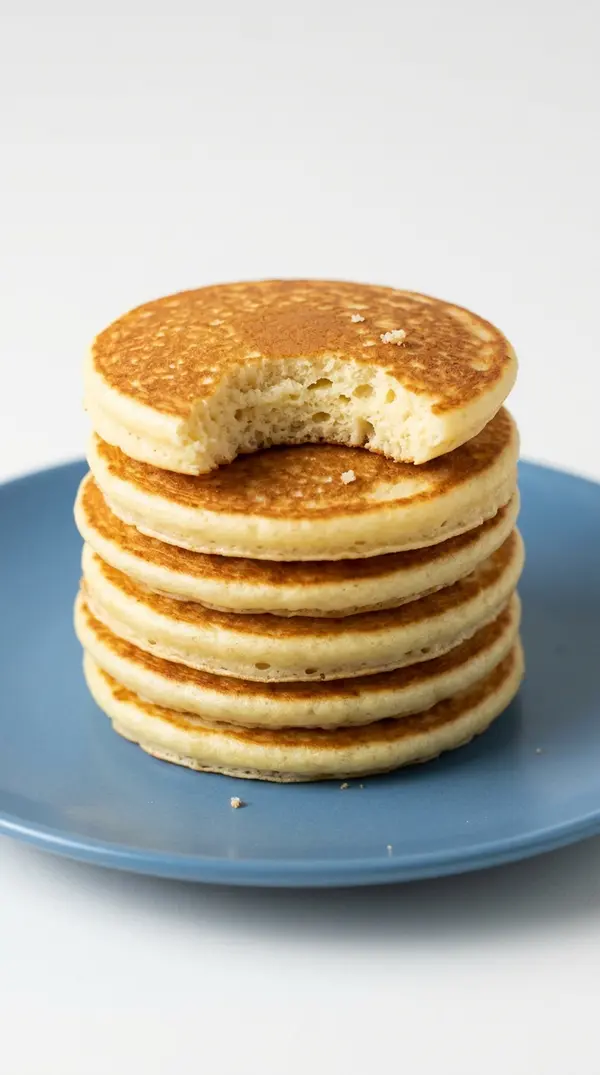
Step 7: Using a sharp knife, cut the stack straight down the middle, then open the cross‑section with a fork to reveal the fluffy interior.
Common pitfalls and how to correct them
If the batter looks too thick, drizzle a little extra milk in 1‑tablespoon increments, stirring gently until it spreads easily. A batter that is too runny will spread thin and produce crisp edges rather than a soft center. Should the pancakes stick, the pan may not be hot enough; increase the heat slightly and wait until a few drops of water sizzle before adding oil.
Over‑cooking leads to a dry texture; keep the heat at medium and watch for the first side to turn golden before flipping. If the pancakes brown too quickly, lower the heat and let the interior finish cooking without burning the exterior. Finally, uneven pancake size often results from inconsistent ladling; use a ¼‑cup measuring cup for uniform portions.
Simple swaps that keep the flavor profile intact
Replace the buckwheat flour with an equal amount of oat flour for a milder taste while retaining a gluten‑free base. Swap the milk for coconut milk to add a subtle tropical note that pairs well with banana. For a spice twist, exchange the cinnamon for a pinch of ground ginger or cardamom, giving the stack a warm, aromatic edge. If you need a vegan version, use a flax egg (1 tbsp ground flaxseed mixed with 3 tbsp water) in place of the whole egg; let it sit for five minutes to thicken before adding to the batter.
Storing leftovers for later breakfasts
Allow the pancakes to cool completely on a wire rack, then place them in an airtight container. In the refrigerator they stay fresh for up to three days; reheat in a toaster oven or skillet for a minute per side to restore crispness. For longer storage, freeze the pancakes in a single layer on a baking sheet, then transfer to a zip‑top bag; they freeze well for up to two months. To serve from frozen, pop them straight into a hot pan for two minutes per side or microwave for 30‑seconds, then toast briefly for a golden finish.
Serving ideas that elevate the stack
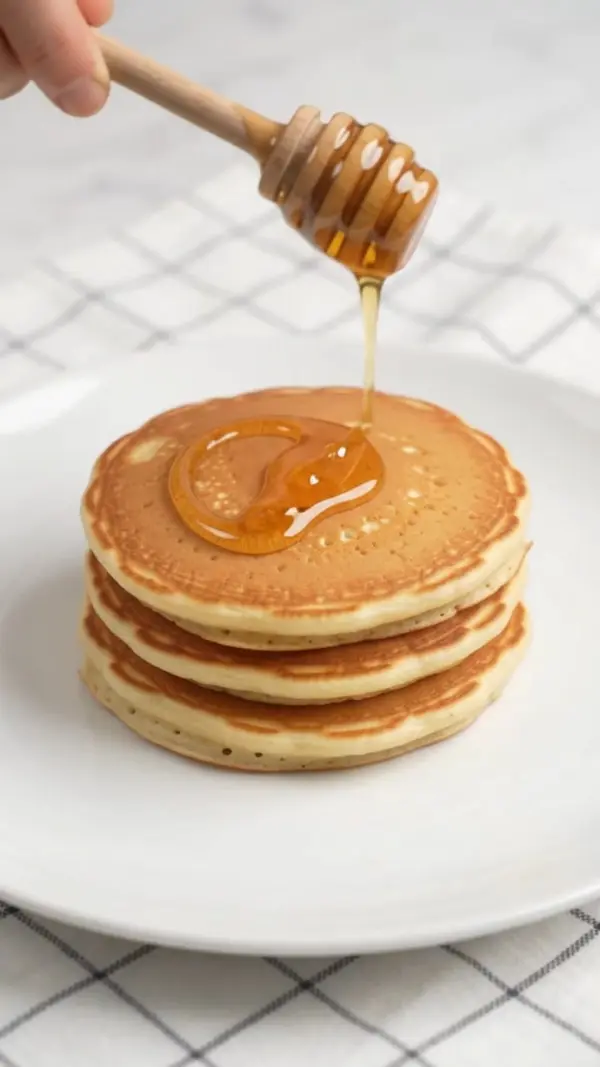
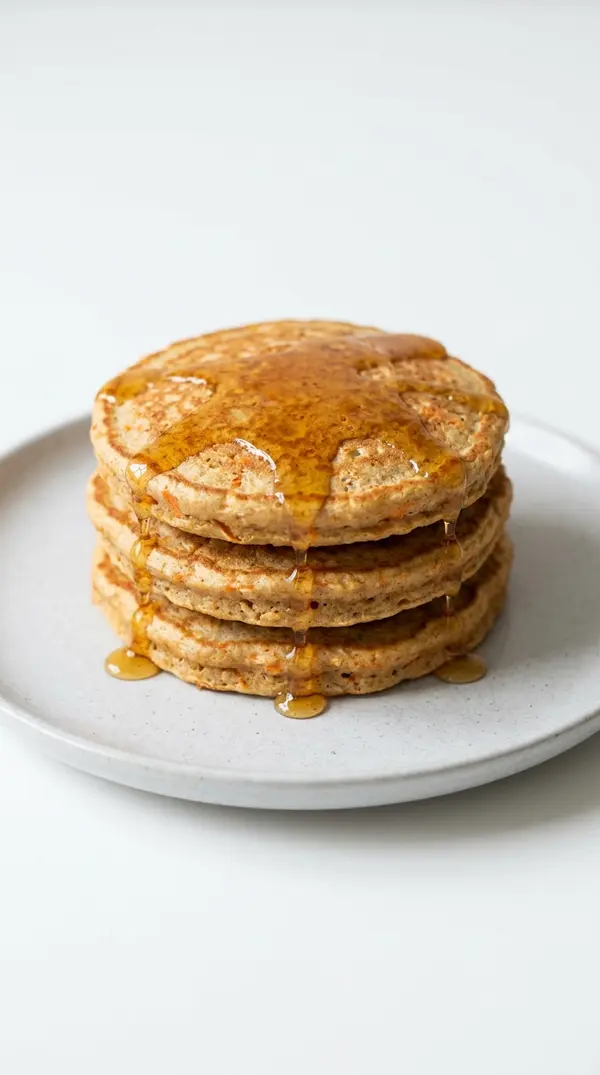
Serve the stack with a drizzle of maple syrup and a sprinkle of toasted walnuts for added crunch. A dollop of plain yogurt adds a tangy contrast that balances the banana’s sweetness. For a fruitier plate, add fresh berries such as blueberries or sliced strawberries on the side. If you enjoy a savory twist, top the pancakes with a thin spread of almond butter and a dash of smoked paprika.
Banana Buckwheat Pancakes Questions
How do I know when the batter is the right consistency?
The batter should flow slowly off the spatula, forming a thin ribbon that spreads easily in the pan. If it clings too thickly, add a splash of milk; if it runs too fast, incorporate a bit more buckwheat flour.
Can I make these pancakes ahead of time and keep them warm?
Yes, after cooking, keep the pancakes on a baking sheet in a low oven (about 200°F (95°C)) for up to 30 minutes. This maintains softness without over‑drying, allowing you to serve a full stack at once.
What’s the best pan size for the four‑small‑round approach?
A 10‑inch non‑stick skillet provides enough surface area to fit four small pancakes without crowding, ensuring each side browns evenly.
Is it possible to add protein powder without changing the texture?
You can stir in one scoop of unflavored or vanilla protein powder, but increase the milk by an extra tablespoon to keep the batter from becoming too thick.
How do I prevent the pancakes from sticking when using a cast‑iron skillet?
Pre‑heat the cast‑iron skillet, then coat it with a thin layer of oil using a paper towel. Allow the oil to shimmer before adding batter; this creates a non‑stick surface similar to a modern non‑stick pan.