What to Know Before You Start
Greek yogurt adds moisture and a subtle tang that balances the sweetness.
Brown sugar dissolves completely, giving a caramel‑like depth without gritty texture.
Cornstarch stabilizes the batter, preventing cracks during cooling.
A single pan and a short bake keep the process streamlined for busy cooks.
Step‑by‑Step Method
Step 1: Preheat and Prepare: Set the oven to 325°F (165°C). Grease the bottom of a 9‑inch springform pan and line the base with parchment paper for easy release.
Step 2: Blend Cream Cheese: In a large bowl, beat the softened cream cheese with a hand mixer on medium speed until smooth, about 2 minutes. Scrape the sides to keep everything even.
Step 3: Add Yogurt and Sugar: Pour the Greek yogurt and brown sugar into the cream cheese. Mix on low, then increase to medium until the mixture is glossy and no sugar granules remain, roughly 1 minute.
Step 4: Incorporate Dry Ingredients: Sprinkle the cornstarch, vanilla extract, and pinch of salt over the batter. Fold gently until just combined; over‑mixing can incorporate too much air, leading to cracks later.
Step 5: Add Eggs One at a Time: Crack an egg into the bowl, beat just until incorporated before adding the next. The batter should be thick but pourable, resembling a smooth custard.
Step 6: Transfer to Pan: Pour the batter into the prepared springform pan, smoothing the top with a spatula. Tap the pan lightly on the counter to release any trapped air bubbles.
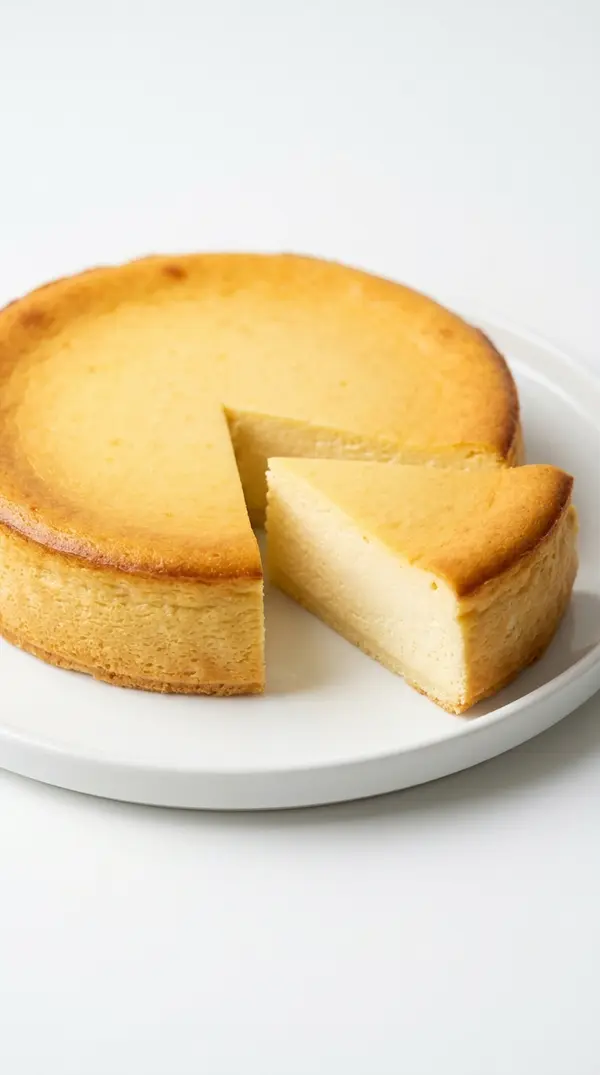
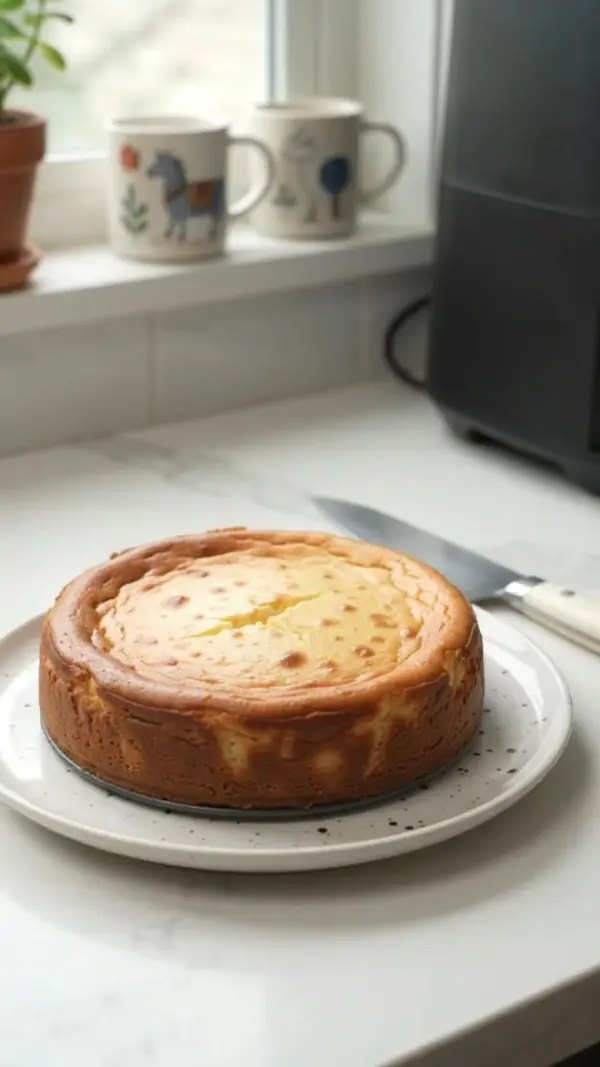
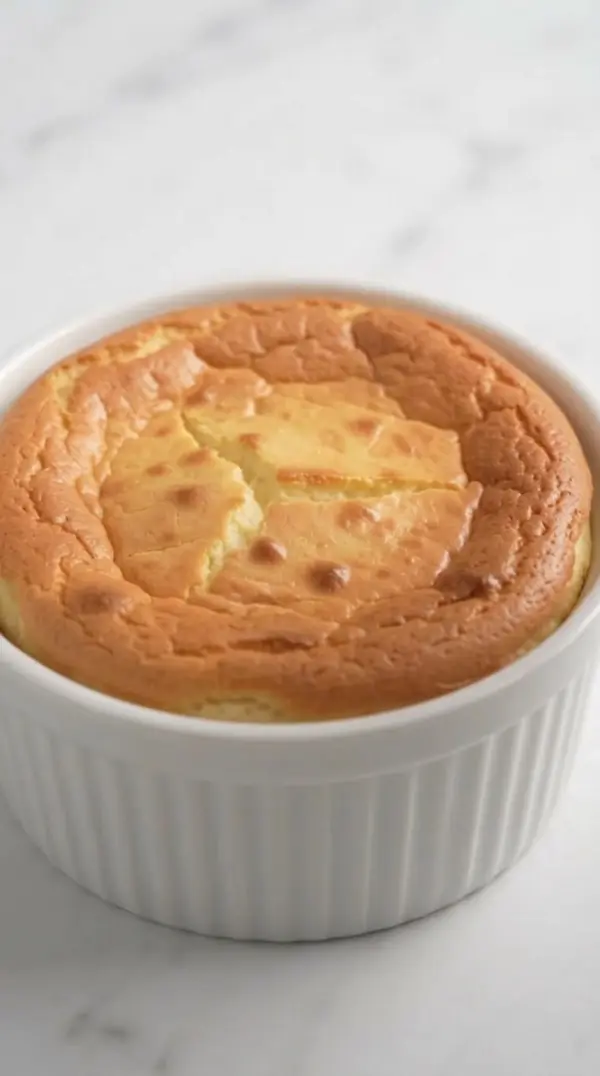
Step 7: Bake Evenly: Place the pan on the middle rack and bake for 35‑40 minutes. The edges should be set and lightly golden, while the center still has a slight wobble when the pan is gently shaken.
Step 8: Cool Gradually: Turn off the oven, crack the door open, and let the cheesecake sit inside for 15 minutes. This gradual cooling reduces the chance of a cracked surface.
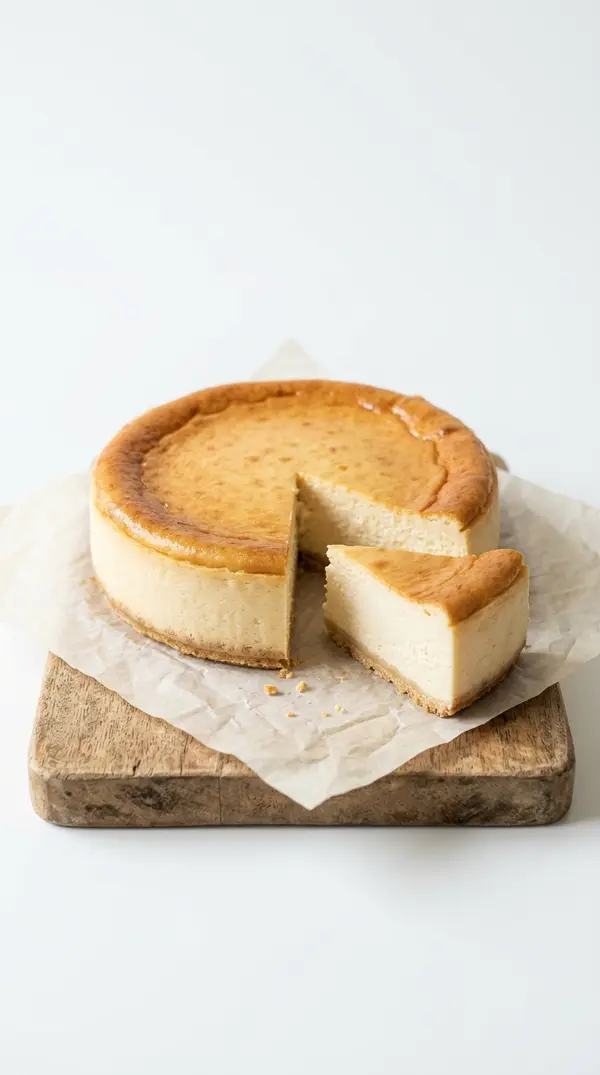
Step 9: Refrigerate: Remove the cheesecake from the oven, run a thin knife around the edge, and let it cool to room temperature. Then chill in the refrigerator for at least 2 hours, preferably overnight, to fully set.
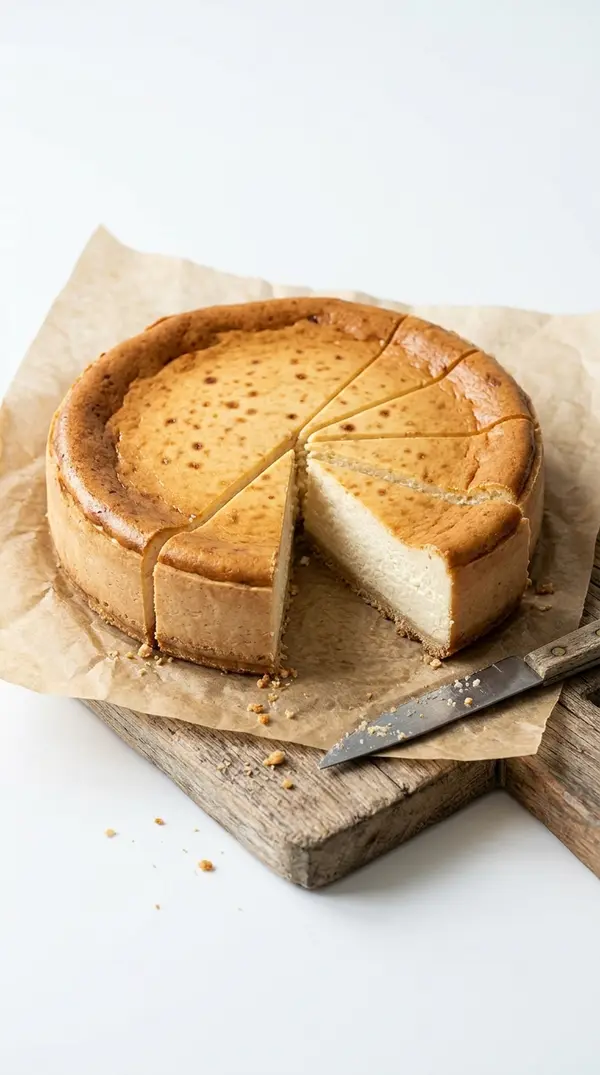
Step 10: Release and Serve: Run a thin metal spatula around the rim, release the springform latch, and lift the pan away. Slice with a hot, wet knife for clean cuts.
Common Mistakes and How to Fix Them
Cracked Top: Cracks often come from rapid cooling. Keep the oven door ajar for 15 minutes after baking, then cool on a wire rack.
Grainy Texture: Undissolved brown sugar creates grit. Beat the sugar with the cream cheese until fully smooth before adding other ingredients.
Runny Center: Too much liquid yogurt can prevent setting. Use a thick, strained Greek yogurt and ensure the cornstarch is fully incorporated.
Over‑Baked: Baking past the wobble stage dries the cake. Pull it out as soon as the edges are firm and the center still jiggles slightly.
Sticking to Pan: Skipping the parchment layer makes removal difficult. Always line the bottom and lightly oil the sides.
Uneven Slices: Let the cheesecake chill completely; a warm cake will crumble. Use a hot, wet knife for each cut.
Swaps That Still Work
Sweetener Switch: Replace brown sugar with coconut sugar for a subtle caramel note; keep the same volume.
Flavor Boost: Add 1 tsp almond extract alongside vanilla for a nutty undertone without changing the texture.
Crust Option: Press a mixture of 1 ½ cups graham cracker crumbs, 3 tbsp melted butter, and 2 tbsp sugar into the pan before adding batter for a classic base.
Dairy‑Free: Use a vegan cream cheese and coconut‑based yogurt; the texture remains creamy, though the flavor shifts slightly.
Keeping It Fresh
Store the cheesecake uncovered in the refrigerator for up to 5 days; the surface will stay smooth and the interior stays creamy. For longer storage, wrap tightly in plastic wrap and freeze for up to 2 months. Thaw overnight in the fridge before serving; a quick microwave burst (10 seconds) can soften a chilled slice for immediate enjoyment.
Toppings and Pairings That Shine
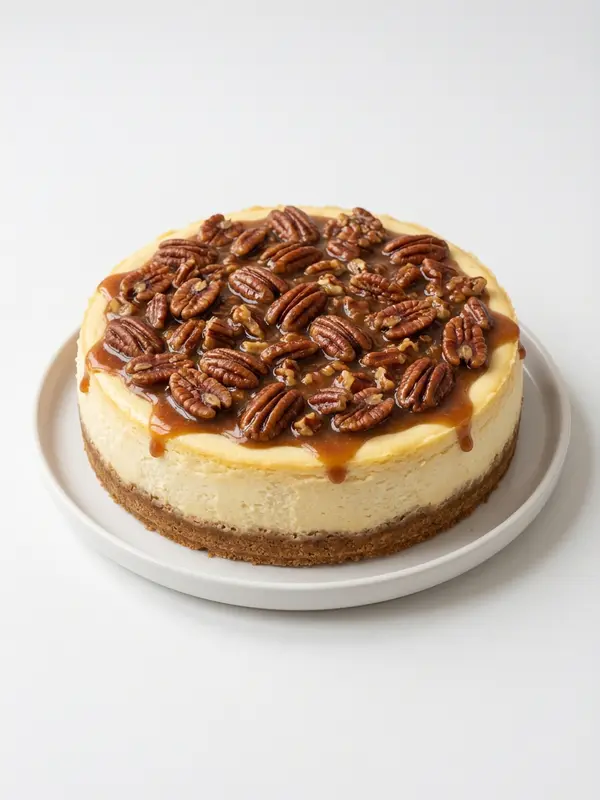
Serve each slice plain, or drizzle with caramel sauce for extra richness. Fresh berries add a bright contrast, while a dollop of whipped cream offers a light finishing touch. Pair with a cup of coffee or a glass of cold milk for a classic dessert experience.
American Cheesecake Questions FAQ
How do I prevent my cheesecake from cracking?
Cool the cake gradually by leaving the oven door ajar for 15 minutes, then let it sit on a rack before refrigerating. This slow temperature drop keeps the surface flexible.
Can I use regular yogurt instead of Greek yogurt?
Regular yogurt contains more water and can make the batter too loose, leading to a runny center. If you must, strain the yogurt through cheesecloth to remove excess liquid.
What size pan should I use for this recipe?
A 9‑inch springform pan yields a traditional thickness. An 8‑inch pan will produce a taller slice, while a 10‑inch pan will give a thinner, more spread‑out cake.
Is it okay to bake the cheesecake on a lower rack?
Baking on the middle rack ensures even heat distribution. A lower rack can cause the bottom to brown too quickly, while the top stays undercooked.
How long can I freeze the cheesecake without losing texture?
Wrap the chilled cheesecake tightly in plastic wrap and then foil before placing it in the freezer. It maintains its creamy texture for up to 2 months.
Can I add a crust to this recipe?
Yes. Press a mixture of 1 ½ cups graham cracker crumbs, 3 tbsp melted butter, and 2 tbsp sugar into the pan before adding the batter. Bake as directed; the crust will set while the filling bakes.
What’s the best way to slice a chilled cheesecake?
Run a hot, wet knife over the blade after each cut. This prevents sticking and creates clean, uniform slices.
How do I know when the cheesecake is fully set?
The edges should be firm and lightly golden, while the center still has a slight wobble. After cooling, the texture will firm up completely in the fridge.
Can I substitute honey for the brown sugar?
Honey can replace brown sugar at a ¾‑to‑1 ratio, but it adds extra moisture. Reduce the yogurt by 1‑2 tbsp to keep the batter’s consistency balanced.
Is a water bath necessary for this cheesecake?
A water bath helps regulate temperature and prevents cracks, but it’s not required if you follow the gradual cooling method described above.
How do I store leftover slices?
Place each slice on a plate, cover with plastic wrap, and refrigerate. For longer storage, stack slices between parchment paper and freeze.
What toppings pair well with American cheesecake?
Caramel drizzle, fresh berries, toasted nuts, or a light dusting of cocoa powder all complement the creamy base without overwhelming it.
Can I make this cheesecake ahead of time for a party?
Yes. Bake the cheesecake a day before, chill it thoroughly, and keep it covered in the refrigerator. It will stay fresh and firm for serving.
Does the type of butter affect the crust?
Using unsalted butter gives you control over the salt level. If you use salted butter, reduce the pinch of salt in the batter accordingly.
How do I avoid a soggy crust?
If you add a crust, bake it for 8‑10 minutes before pouring the batter, or press it firmly and chill it for 10 minutes to set the butter.
Related Recipes
If you enjoy this classic, try a lighter version with the 3-Ingredient Cheesecake or explore a fruit‑infused twist at 3-Ingredient Cheesecake. For a chocolate variation, see 3-Ingredient Cheesecake.