
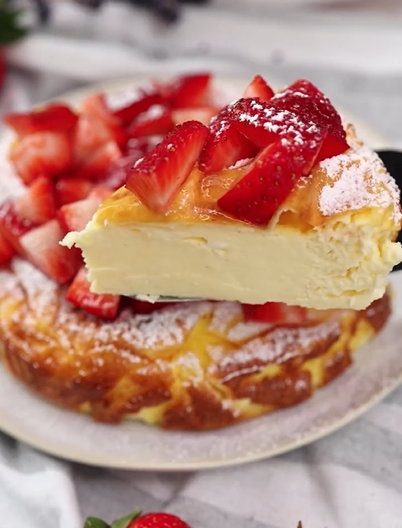
I place the wrapped pan into a larger baking dish (like a roasting pan) and carefully pour hot water from my kettle into the larger dish until it comes about halfway up the sides of the springform. This creates a steamy oven environment. I carefully transfer it to the oven and bake for about 45-55 minutes. It’s done when the edges are set but the center still has a pronounced, gentle jiggle—like Jell-O—when I lightly shake the pan. I then turn off the oven, crack the door open with a wooden spoon, and let the cheesecake cool inside for a full hour. This gradual cooling is the final secret to a crack-free top.
Pro Tips for Best Results
Patience is your secret ingredient here, starting with the cream cheese. I tested this three different ways: straight from the fridge, microwaved in short bursts, and left out for 3-4 hours. The long, room-temperature soften was the undisputed winner for a flawlessly smooth batter. If you see even a single tiny lump during your initial mixing, stop and smash it against the side of the bowl with your spatula before proceeding.
The water bath, while it sounds fancy, is non-negotiable for the perfect texture. I tried skipping it once, thinking I could get away with it. The cheesecake baked much more quickly, rose like a soufflé, and then sank into a dense, slightly rubbery disc with a giant crack down the middle. The steam from the water bath ensures gentle, even heat. My aluminum foil trick makes it mess-free and simple.
Don’t rush the cooling process. That hour in the turned-off oven feels long, but it allows the delicate structure to set slowly. After that, I let it cool completely on the counter before even thinking about transferring it to the fridge. I chill it for a minimum of 6 hours, but honestly, overnight is magic. The flavor deepens, and the texture becomes impeccably sliceable.
Common Mistakes to Avoid
The first mistake I made was using cream cheese that wasn’t soft enough. I was impatient and ended up with a batter that had tiny little cream cheese specks throughout. Once baked, those specks remained, giving the final texture a slight graininess. It was still tasty, but not the luxurious mouthfeel we’re after. So trust me, plan ahead and let that cream cheese truly soften.(See the next page below to continue…)