
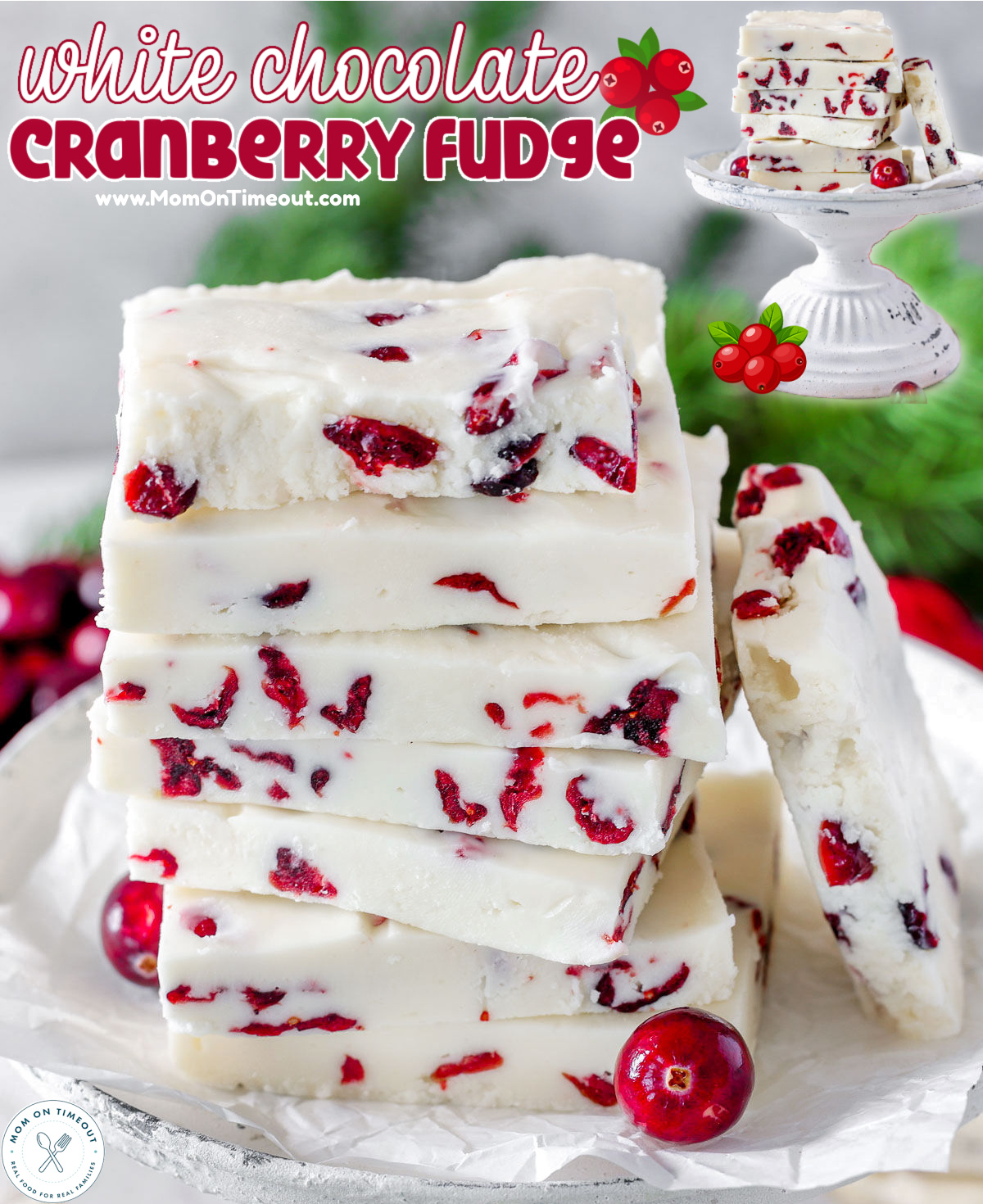
The final step is all about patience. I let the fudge cool on the counter until the pan is no longer warm, then I transfer it to the refrigerator to set completely. This usually takes at least 3-4 hours, but I often let it go overnight. Rushing this step is tempting but leads to messy cuts. Once it’s firm, I use the parchment paper sling to lift the entire slab onto a cutting board. Using a large, sharp knife, I cut it into small squares, wiping the blade clean with a hot, damp cloth between cuts for beautiful, sharp edges.
Pro Tips for Best Results
The melting method is everything. I’ve tested this three different ways: in a double boiler, in the microwave on high, and in the microwave on 50% power. The double boiler and low-power microwave methods are the winners for a perfectly smooth texture. High heat is the enemy of white chocolate; it causes the cocoa butter to separate, leaving you with a greasy, grainy fudge. Trust me, the extra few minutes of gentle melting are worth it.
Resist the urge to add any extra liquid. The sweetened condensed milk provides all the moisture you need. I once thought a splash of cream or a bit of festive liqueur would be nice, but it made the fudge too soft and prevented it from setting up properly. The beauty of this recipe is in its simplicity and perfect ratio. The vanilla extract is the only “liquid” addition you need.
To ensure clean cuts and the best texture, your fudge must be completely chilled and firm. If it’s even slightly soft in the center, your knife will drag and squish the layers. The chilling time in the fridge is not optional; it’s a key ingredient. For the cleanest cuts, you can even run your sharp knife under very hot water, dry it quickly, and then slice. The heat helps glide through the firm fudge like butter.
Common Mistakes to Avoid
My first batch was a grainy disaster because I overheated the white chocolate. White chocolate is very delicate and burns easily. If you see it starting to look curdled or oily in the bowl, you’ve gone too far. The moment it is smooth with no lumps, stop heating. The residual heat will continue to melt any last bits as you stir. This careful attention prevents a ruined texture.(See the next page below to continue…)