
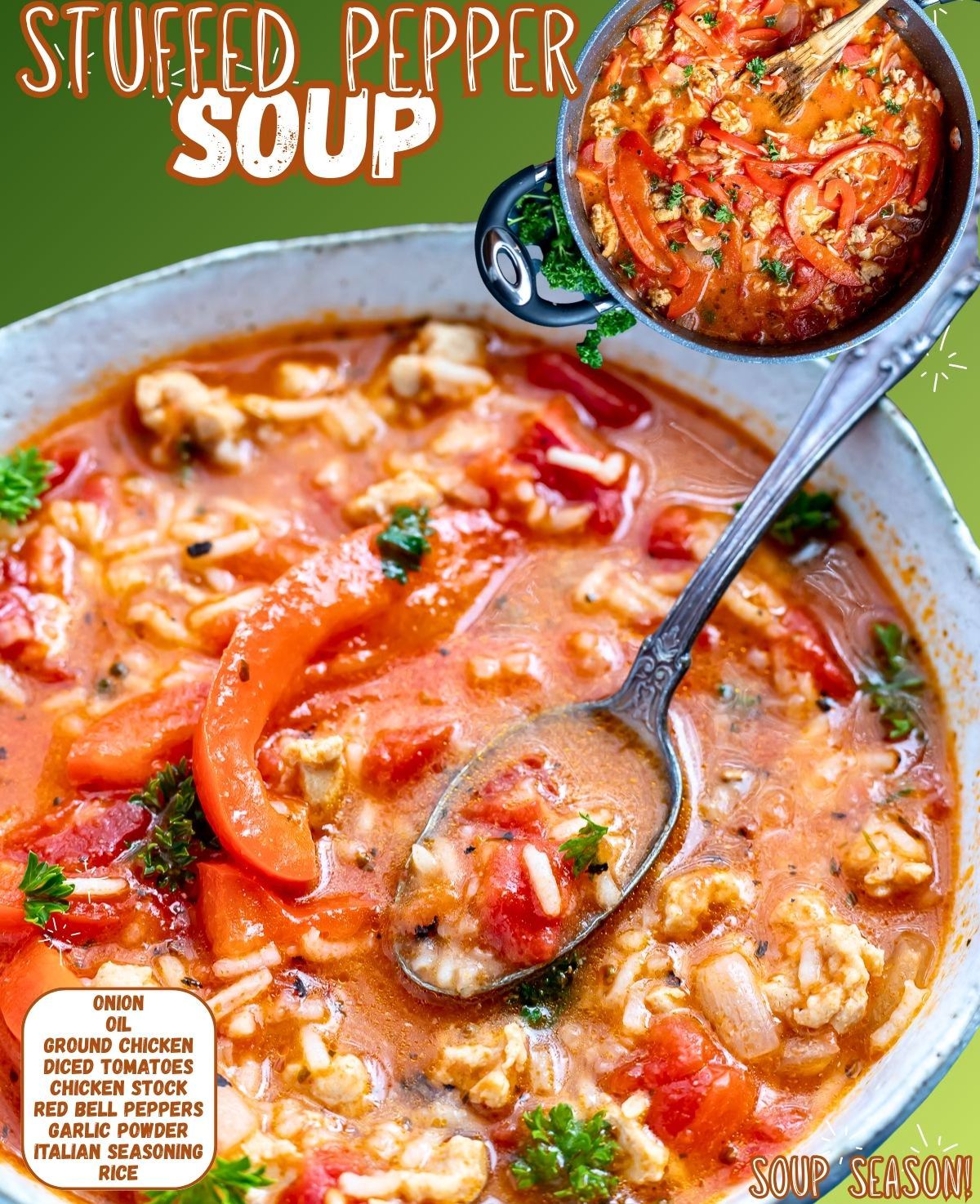
Once the rice is in, I reduce the heat to a gentle simmer, cover the pot with a lid slightly ajar, and let it cook for 20-25 minutes. I resist the urge to stir too often, as that can break up the rice and make the soup starchy. I just let it bubble away peacefully. I check at the 20-minute mark; the rice should be tender and the peppers soft but not disintegrated. The soup will have thickened beautifully. I take it off the heat and let it sit, covered, for 5 minutes—this lets everything settle and the flavors marry one last time before I ladle it into bowls.
Pro Tips for Best Results
I tested the rice three different ways: cooking it separately and adding it at the end, using instant rice, and cooking it directly in the soup. Cooking it directly in the soup is the absolute winner. The rice absorbs the seasoned broth, becoming incredibly flavorful and helping to naturally thicken the soup. Just be sure to use a long-grain variety like jasmine or basmati, which holds its shape better than short-grain rice. If you’re worried about it absorbing too much liquid as leftovers, you can cook it separately, but you’ll lose some of that magic.
Here’s what I learned the hard way about the peppers: don’t dice them too small. If you cut them into a fine confetti, they’ll almost dissolve into the soup during the simmer. You want a hearty, ½-inch dice so they maintain their presence and give you a satisfying bite. That texture contrast with the soft rice and savory meat is part of what makes this soup so special. Taking the time to get a good dice is worth it.
Letting the soup rest off the heat for 5-10 minutes before serving is my secret for perfect texture. It allows the rice to finish absorbing liquid evenly and for the flavors to deepen. It also brings the soup to the perfect eating temperature—scalding hot, but not tongue-burning. This little pause makes a huge difference in the final result, giving you a rich, harmonious bowl instead of a brothy, separate one.
Common Mistakes to Avoid
My first mistake was using low-sodium broth without adjusting the seasoning. The result was a bland soup that tasted like slightly flavored water. Even if you use regular broth, you must season in layers—salt the onions, season the meat, and taste before serving. Soup needs salt to bring all those beautiful ingredients to life. Don’t be shy; taste and adjust at the end with more salt, pepper, or even a splash of vinegar for brightness.(See the next page below to continue…)